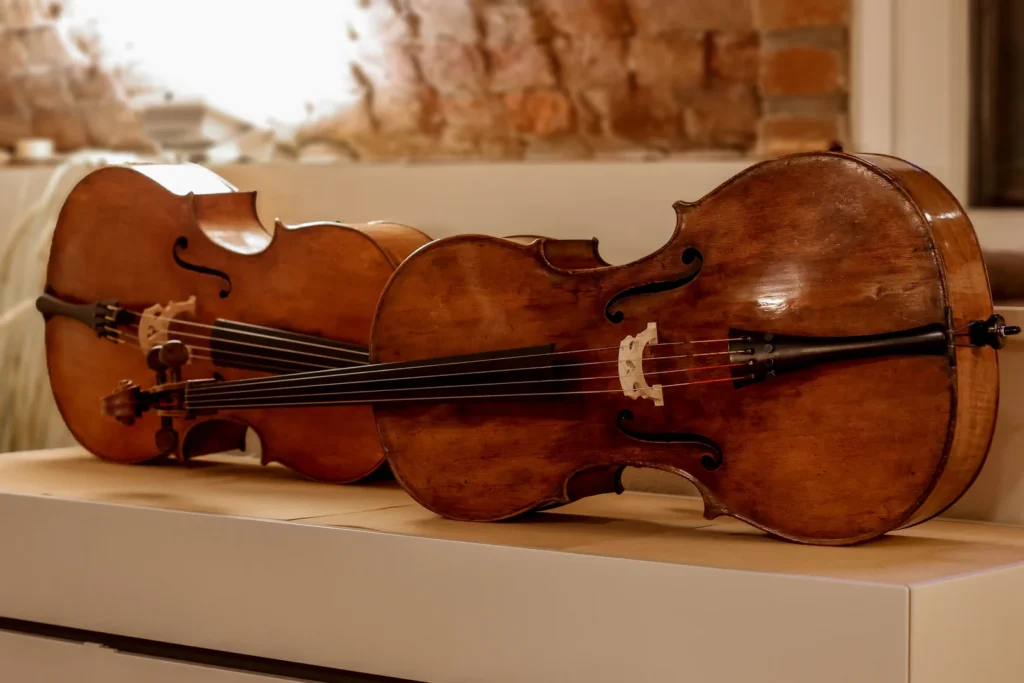
For a working cellist, choosing an instrument is nothing like a first purchase. There is no beginner budget to respect, no rental period to outgrow.
What matters instead is finding an instrument that can carry a career: something with the projection, complexity, and responsiveness to hold up in a concert hall, a recording session, or an audition panel.
How to Choose a Cello: Steps for the Professional Player
Below is a step by step approach for the experienced cellist looking to invest in an advanced instrument, from setting a realistic budget to confirming provenance before any money changes hands.
Step 1: Set a Budget, and Understand What It Buys
Before trying a single instrument, it helps to understand the landscape of what is available at different price points, since a professional cello is one of the largest financial decisions a musician will make outside of buying a home.
Cello prices are shaped by a mix of maker reputation, condition, and market demand, and weighing the factors that affect cello pricing early makes it easier to interpret the broad categories a serious buyer will encounter.
Workshop and Contemporary Maker Cellos
At the entry point of the professional tier are fine workshop instruments and skilled contemporary maker cellos, often built by makers trained in traditional apprenticeship systems who now run independent workshops. These can offer excellent value and, in skilled hands, rival much older instruments in tone.
Renowned Luthier Cellos
Above that sit cellos by renowned individual luthiers, often with waiting lists, whose instruments carry a reputation built over decades of consistent craftsmanship. A cello luthier with an established name has usually spent years refining an approach to arching, wood selection, and varnish that produces a signature sound, and that reputation is reflected in price.
Antique and Italian Cellos
At the top of the market are antique and historical instruments, frequently from Cremona or other historic Italian workshops. An Italian cello with documented history can command prices far beyond a modern instrument, driven as much by rarity and provenance as by tone. It’s worth remembering that fine cellos are considerably scarcer than fine violins.
Fewer were made historically, fewer survive in playable condition, and the pool of makers who worked on cellos with the same consistency as their violins is smaller.
This scarcity means that testing and patience matter even more when searching at this level. A professional cellist may need to try far more instruments, over a longer period, before finding the right match.
Setting a budget range early, and being honest about whether you are looking at a contemporary maker, a named luthier, or an antique Cremona or Italian cello, will shape every step that follows.
Step 2: The First Trial, What to Actually Check
Once a shortlist of instruments is in hand, the real evaluation begins. For an experienced player, this stage should go well beyond whether an instrument simply sounds good.
Start with tonal balance across all four strings, not just the ones you favor in your usual repertoire. A cello that sings on the A string but goes muddy on the C is not going to serve you in a demanding orchestral or solo program.
Play scales, arpeggios, and a passage you know intimately, then repeat it on a second and third instrument to compare, since memory of tone fades quickly once you stop playing.
Check response time. Professional repertoire often demands fast articulation, and an instrument that is slow to speak under the bow will fight you in exactly the passages where you need it most. Test soft dynamics as carefully as loud ones. Many cellos project well when pushed but lose character at pianissimo, and that range is just as important in performance.
Pay attention to string quality as part of this trial too, since a poorly matched string set can mask or distort an instrument’s true voice, and choosing the right cello strings for a given instrument becomes essential to judging its tone accurately during a trial.
Finally, assess playability under the left hand: string height, neck angle, and body proportions all affect comfort over a long session. An instrument that feels slightly off physically will accumulate fatigue over months of use, even if the sound is excellent.
Step 3: A More Serious Trial, Bring in a Second Opinion
Once an instrument or two survives the first round, it is worth arranging a more serious trial. This usually means taking the cello home for an extended period, playing it in different acoustic settings (a practice room, a larger hall, a recording space if possible), and living with it through a real rehearsal or performance cycle if the seller allows it.
At this stage, involving a trusted colleague is invaluable. Ask a fellow professional, ideally one who knows your playing well, to sit in the hall while you play.
What you hear from the chair and what a listener hears from the audience can differ significantly, particularly in projection and carrying power. A second set of ears can also catch inconsistencies across registers that are hard to judge from behind the instrument.
If possible, record yourself playing the same passage on each shortlisted cello, in the same space, on the same day. Recordings strip away some of the physical sensation of playing and let you judge tone more objectively afterward.
Step 4: Provenance and Authenticity
For any instrument beyond the newest workshop cellos, provenance becomes a central part of the decision. This is especially true for antique Italian instruments, where documentation, certificates of authenticity, and a clear ownership history all affect both value and confidence in the purchase.
Ask for documentation from a recognized expert or dealer, and understand who made the attribution and on what basis. A cello attributed to a historic Cremona workshop should come with a paper trail, not just a verbal claim. It is also worth researching the maker’s broader body of work and reputation, since the world’s greatest cello luthiers tend to share identifiable traits in wood selection, arching, and varnish that carry through their entire output.
Condition history matters too. Ask about past repairs, restorations, and any structural work, since these affect both playability and long term value. A reputable dealer will be transparent about this rather than glossing over it.
Finding Your Professional Cello at Amorim Fine Violins
Choosing a professional cello is a process, not a single decision made in a showroom. It involves an honest budget conversation, careful and repeated trials, the input of trusted colleagues, and a clear understanding of an instrument’s provenance before any money changes hands.
Because fine cellos are rarer than fine violins, this process often takes longer and demands more patience, but the result, an instrument that genuinely matches your playing for years to come, is worth the time it takes to get there.
Amorim Fine Violins’ current selection of cellos reflects exactly this standard, with each instrument accompanied by the documentation and expertise a professional purchase requires.
Talk to a specialist about this topic

Featured Instrument
 AVAILABLE
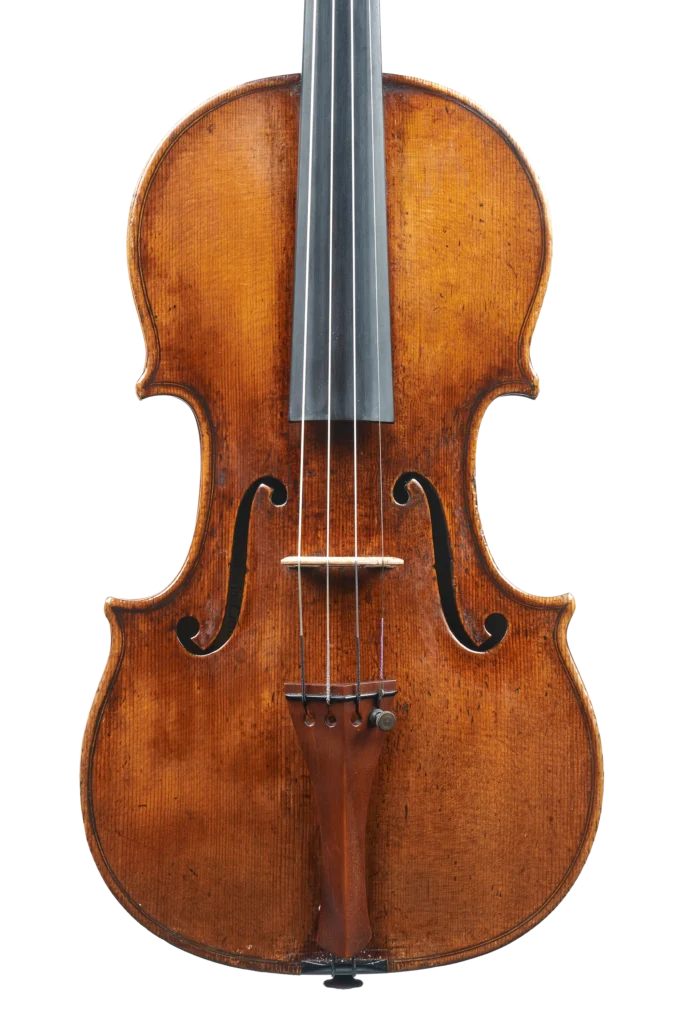
Violin by Antonio Stradivari "Lam; Ex-Scotland University"
Antonio Stradivari — c.1734
View Instrument