What makes the Italian violin so special? Since the 15th century, Italy has been home to some of the world's finest violins; and for centuries, nearly every legendary violinist carried an Italian-made violin. There are instances where musicians would even claim to have bad performances because their violins weren't made in Italy! But why do Italians dominate the violin-making industry?
A distinct melodic structure characterizes Italian classical music. It can be heard in the works of composers like Verdi and Puccini, and it is written for a large number of different orchestral instruments and vocals. But certainly is the birthplace of violins and a very renowned one when the subject is stringed instruments.
Italian Violin Tradition
The tradition of Italian violin making has an undeniable history. Some violins are 400 years old, which is a testament to how the craftsmanship has lasted without degradation. Many renowned luthiers have called Italy home, and Cremona is known as the world’s capital of fine violin making, followed by Brescia, Naples, Milan, Venice and Mantua. The greatest Italian violin makers— Antonio Stradivari, Nicolo Amati and Guarneri del Gesù—are still the gold standard by which all violins are measured today. Their influence on later generations of Italian luthiers has been enormous. The Amati family founded the tradition of violin making in Cremona. The workshop was a family affair, where Amati taught the secrets of his craft to his sons, Girolamo and Antonio. It’s from this line that descended the third generation of makers, Girolamo’s son Nicolò, that latter maestro of Andrea Guarneri and Antonio Stradivari.
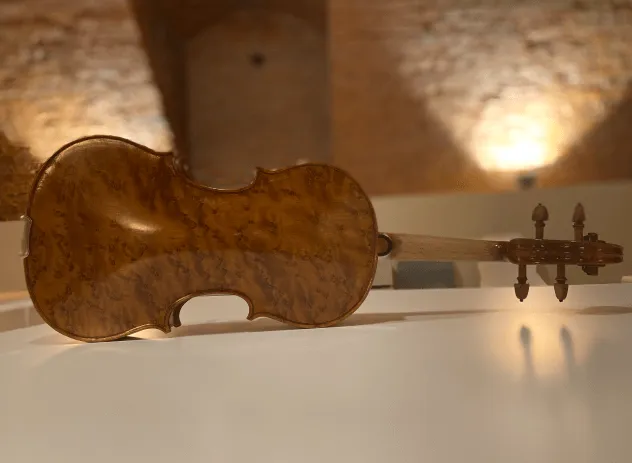
A source of the finest materials
Violins are made with wood that has resonant qualities to produce sound from the instrument's vibrations. Friends may tell you that as you play more and more concerts with your symphony, your violin will open up and “sound better” – and yes they are right. In fact, the more you play the violin, the more the wood drys up giving it a crystal clear sound. The same corner of the Italian Alps where luthiers plucked the trees that would be turned into some of the world's finest instruments today houses a collection of spruce trees that, thanks to a serendipitous combination of climate and altitude, has been dubbed "Il Bosco Che Suona" — The Musical Woods.
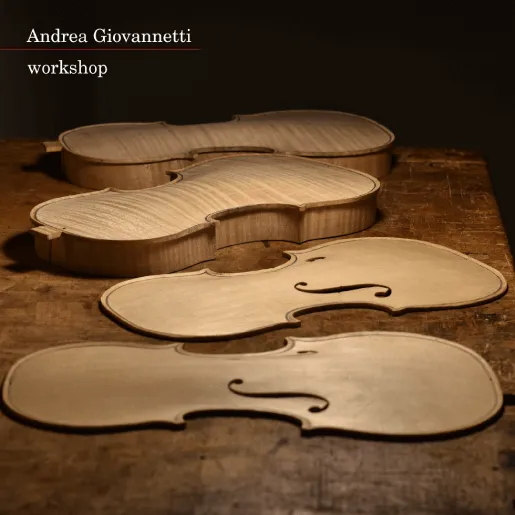
Maple is noted for the particular flamed figure that it sometimes sports. This figured wood is a must for any luthier, as it adorns the backs, ribs, and necks of instruments in the violin family. The wood from maple trees is soft, which makes it easy for violin makers to carve and sculpt. The maple tree can grow to great heights, up to 120 feet; six species exist, including two in Italy. Red spruce's long, sturdy fibers are ideal for creating the tops of violins, violas, cellos, and other string instruments used to perform classical music. These instruments' tops (the ones placed above their resonant chambers) produce deep bass tones that reverberate for a long time.
The Periods of Italian Violins
Early ‘classic’ makers created beautiful instruments from the 16th century right up until the 1890s. This inspired other makers to match the sound and craftsmanship of these fine Italian makers. The modern era of Italian violin makers is generally considered to be characters who lived during the time period between 1890 and 1980. During this time, many talented Italian violin makers were working across the country in order to build on the traditions established by their predecessors while applying their own personal style to the process. Musicians who have purchased stringed instruments from expert craftsmen can attest to the fact that considering the craftsmanship, value in history, and market for an instrument is an art on its own. A combination of knowledge and experience is needed to collect historical musical instruments responsibly. Amorim Fine Violins collection is carefully selected by experts and is made by the crafting of the best makers in the market!
Talk to a specialist about this topic

Featured Instrument
 AVAILABLE
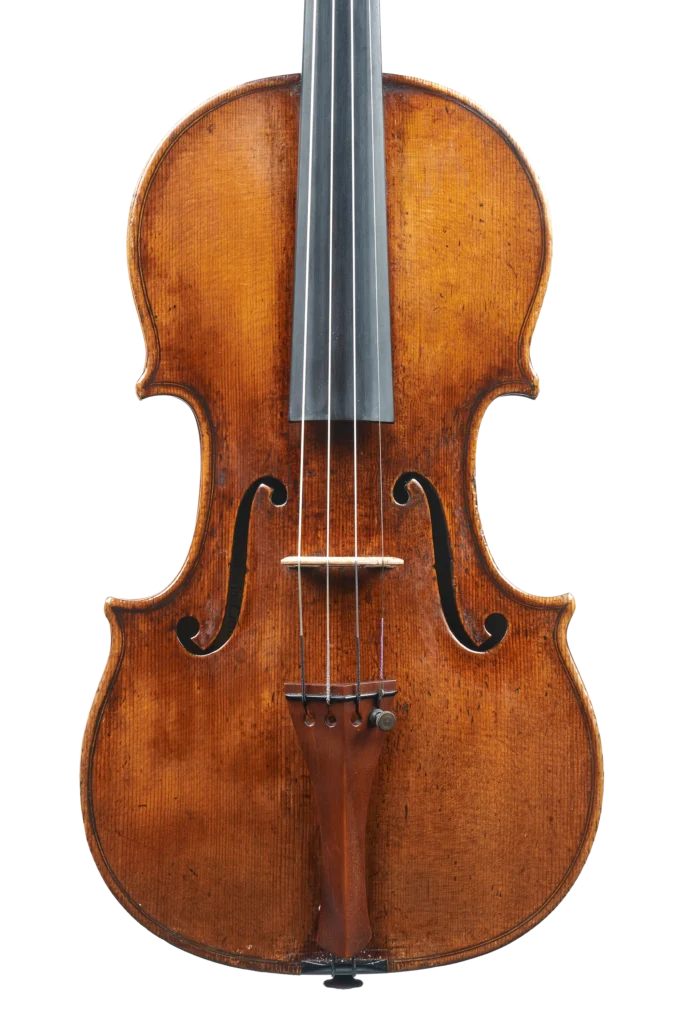
Violin by Antonio Stradivari "Lam; Ex-Scotland University"
Antonio Stradivari — c.1734
View Instrument