The Hidden Pillar of Tone
Every violin possesses a hidden element that profoundly shapes its voice. Though nearly invisible, the soundpost is essential to the character, projection, and resonance of any fine instrument. At Amorim Fine Violins, we recognize this unassuming piece of spruce as one of the most delicate and powerful tools in the luthier’s repertoire.
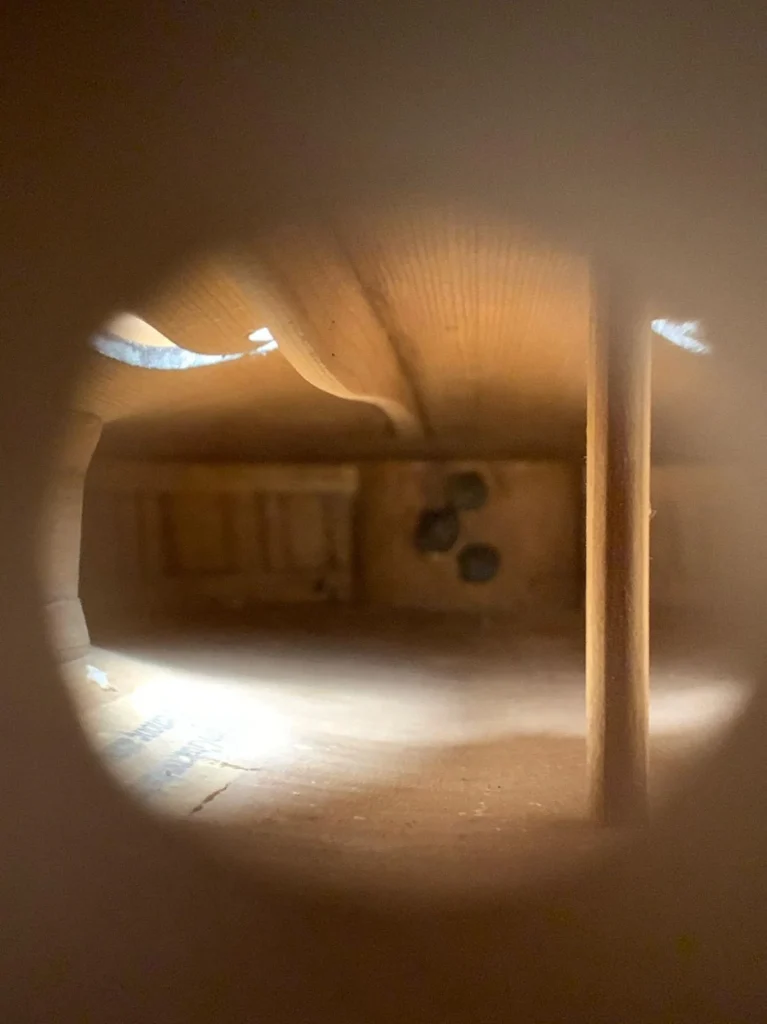
The anatomy and purpose of the soundpost
Located inside the violin, standing vertically between the top and back plates, the soundpost acts like an internal acoustic column. Its placement, position, and tension influence everything from tonal color to dynamic response. Far from being static, it plays an active role in modulating how vibrations move through the instrument.
This small post, typically made from European spruce, is cut to precise length and fit. It is never glued but held solely by pressure—relying on the balance between structural force and delicate contact. The wood itself is chosen not just for grain orientation but for tonal compatibility with the rest of the instrument.
Adjustments that shape tonal identity
Unlike glued components, the soundpost can be adjusted over time to refine tonal output. A slight shift toward the bridge increases brightness and focus. A backward move deepens warmth. Even changes in tension can introduce clarity or dampen excessive resonance. Many professional musicians rely on seasonal adjustments. For example, during dry winters, luthiers may reposition the post to compensate for contracting wood. These changes are not guesswork but informed by decades of trained listening and tactile sensitivity.
Evaluating the need for adjustment
Not all soundpost adjustments are routine—some are necessary. When an instrument buzzes, sounds muted, or has lost its projection, the post may be misaligned or under/over-tensioned. Subtle gaps in contact, seasonal wood movement, or even a minor knock can disrupt the delicate equilibrium. It’s not uncommon for musicians to describe their violin as feeling “tight” or “unresponsive”—terms that, to a trained luthier, may suggest a soundpost in need of repositioning. At Amorim Fine Violins, every adjustment begins with a conversation: What has changed? What does the musician feel? What does the violin say in response?
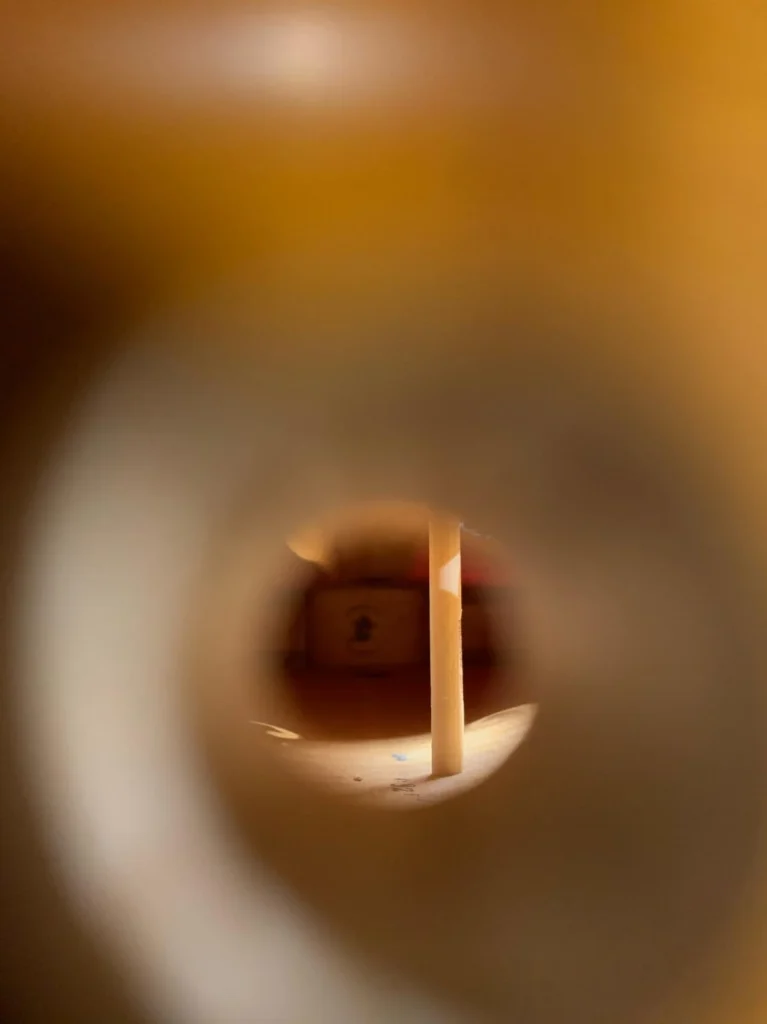
A Practical Case
Modern player, historical instrument One of our regular Cremona-based clients—a soloist who plays a mid-19th century French violin—described a sudden drop in clarity in the lower register. Upon inspection, we found the soundpost had shifted due to dry studio conditions. A slight repositioning and tension balancing restored its original warmth, and the musician described the result as “breathing life back into the instrument.”
Conclusion: A Silent Masterpiece Within
Though never seen during performance, the soundpost is a crucial sculptor of the violin’s sonic beauty. It bridges, craftsmanship, and expression—an unseen element that resonates in every note. At Amorim Fine Violins, adjusting a soundpost is not merely a technical action—it is an act of tonal curation, ensuring each instrument sings with its fullest, most authentic voice. Whether you play a contemporary violin or a rare antique, your soundpost deserves the attention of a luthier who understands not only its role—but its soul. We invite you to schedule a consultation with our workshop in Cremona.
Talk to a specialist about this topic

Featured Instrument
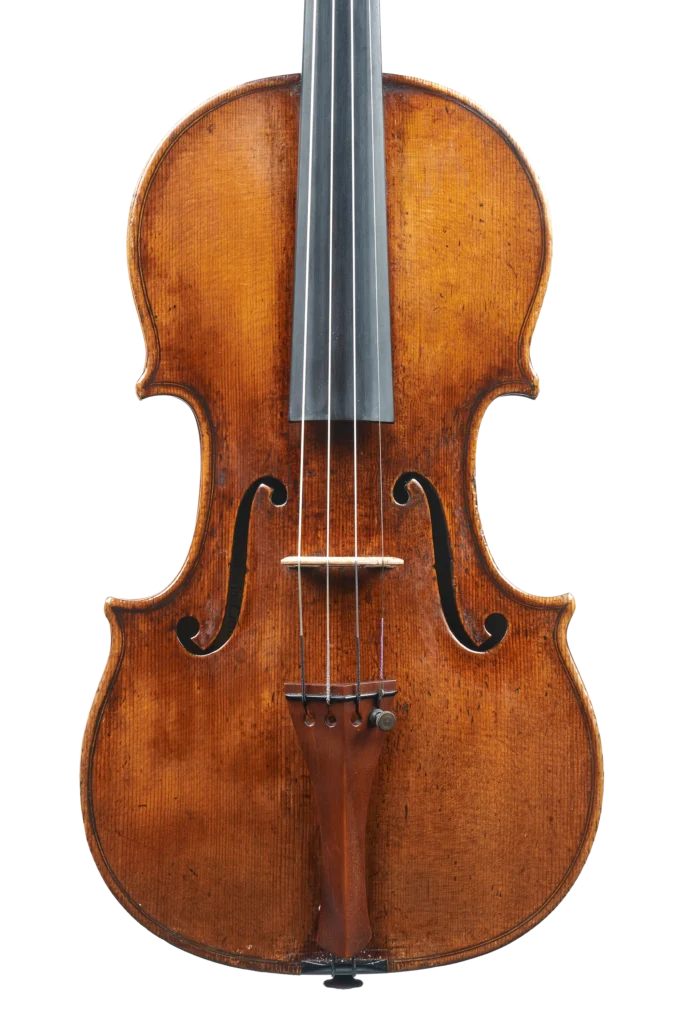 AVAILABLE
Violin by Antonio Stradivari "Lam; Ex-Scotland University"
Antonio Stradivari — c.1734
View Instrument