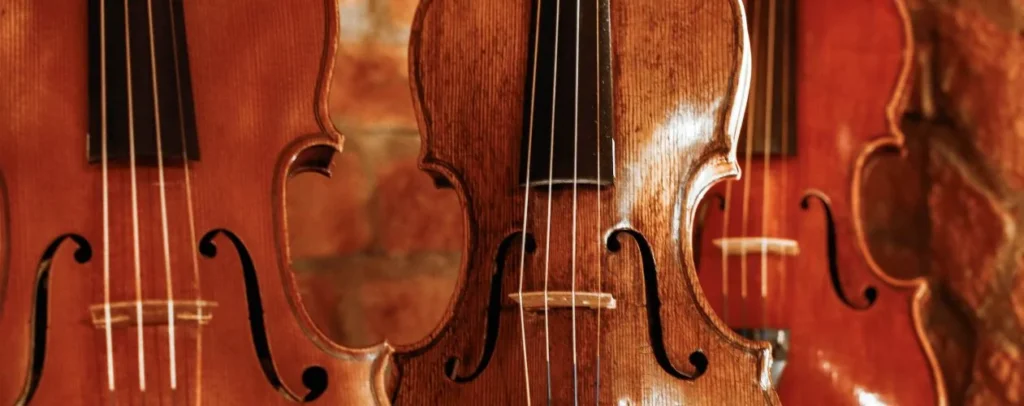
Investing in a violin is not an easy decision. Unlike traditional financial assets, a violin investment requires experience, careful research, and a solid understanding of the market before making any financial move.
However, when done correctly, a violin investment asset can become a valuable and stable addition to a diversified portfolio.
Fine violins combine cultural heritage, craftsmanship, and long-term value appreciation.
In this article, you will find essential tips and insights to help you understand why violins can be considered smart investment assets and how to improve your investment strategy.
What Makes a Violin an Investment Asset?
Fine violins are classified as tangible assets: physical objects that can appreciate over time. Similar to art, watches, or rare collectibles, their value is influenced by craftsmanship, history, and market demand.
That said, not every violin qualifies as a violin investment asset. Several key elements determine whether an instrument will increase in value over the years.
Good Condition
Condition is one of the most critical factors in violin investment. Even minor scratches, cracks, or poorly executed repairs can significantly reduce an instrument’s market value. Investors must ensure the violin has been properly maintained, ideally with original parts intact and minimal restoration.
To protect the condition of the instrument, owners should prioritize regular inspections by qualified luthiers, who can identify early signs of wear or structural stress before they become costly issues. Using a high-quality case with humidity control is essential, as fluctuations in temperature and moisture can damage the wood over time.
Professional conservation and proper storage are equally important. Violins should be kept in stable environments, away from direct sunlight, excessive heat, or cold. Additionally, documenting all maintenance and conservation work creates a transparent history that strengthens future violin appraisal results and increases buyer confidence.
Authenticity
Authenticity is fundamental. Especially in a market where replicas, misattributions, and fraudulent sales still exist. Unfortunately, some sellers take advantage of inexperienced buyers, making authenticity one of the highest-risk aspects of a violin investment asset.
To avoid scams, investors should learn to recognize the defining traits of genuine violins, including the stylistic details associated with specific makers, periods, and schools of craftsmanship. However, personal knowledge alone is not enough. Seeking guidance from recognized experts and experienced luthiers is essential when evaluating an instrument.
Certification, documented provenance, and a professional violin appraisal are crucial to confirming authenticity. Reputable certificates issued by trusted authorities provide legal and financial security, while a thorough appraisal reduces uncertainty and protects long-term value. Together, these steps significantly lower investment risk and increase confidence for both buyers and future sellers.
Famous Luthier
The reputation of the luthier plays a decisive role in a violin’s investment potential. Instruments crafted by renowned makers consistently outperform the broader market.
Academic research analyzing historical violin prices shows that violins made by Antonio Stradivari delivered the highest performance since the 1980s, with annual geometric returns ranging between approximately 4.9% and 7.7%. While violins from other makers initially appeared to offer lower returns, long-term data reveals they stabilized at solid annual returns of around 3.5% to 6.7%.
These historical violin price indices suggest that investing in fine violins, especially those made by top luthiers, can offer attractive long-term return potential and portfolio stability.
Scarcity
Scarcity is a natural value driver in violin investment. Many historic violins exist in very limited numbers, and no new instruments can ever be produced by master luthiers from past centuries. As demand continues to grow among collectors, musicians, and investors, this scarcity directly supports long-term price appreciation.
A notable example is a Guarneri del Gesù violin sold at auction in 2012 by Tarisio. Instruments by Giuseppe Guarneri del Gesù are significantly rare, with far fewer surviving examples. This particular violin achieved a record-breaking price at the time, illustrating how extreme scarcity, combined with maker reputation and historical importance, can drive exceptional auction results.
Such cases highlight how limited supply makes high-quality violins resilient investment assets, capable of sustaining demand and value across different market cycles.
Emotional Value
Beyond financial performance, violins hold a profound emotional and cultural value that deeply resonates with collectors. Each instrument carries a living history, shaped by the hands of master luthiers, the musicians who once played it, and the eras it has survived.
For many collectors, owning a violin is not only about return on investment, but about becoming a temporary guardian of a cultural artifact.
This market is driven as much by passion as by performance. The sound, craftsmanship, and story behind a violin create an emotional connection that traditional financial assets cannot offer.
This emotional attachment sustains long-term demand, even during periods of economic uncertainty, reinforcing the violin investment asset as something that is both financially sound and personally meaningful.
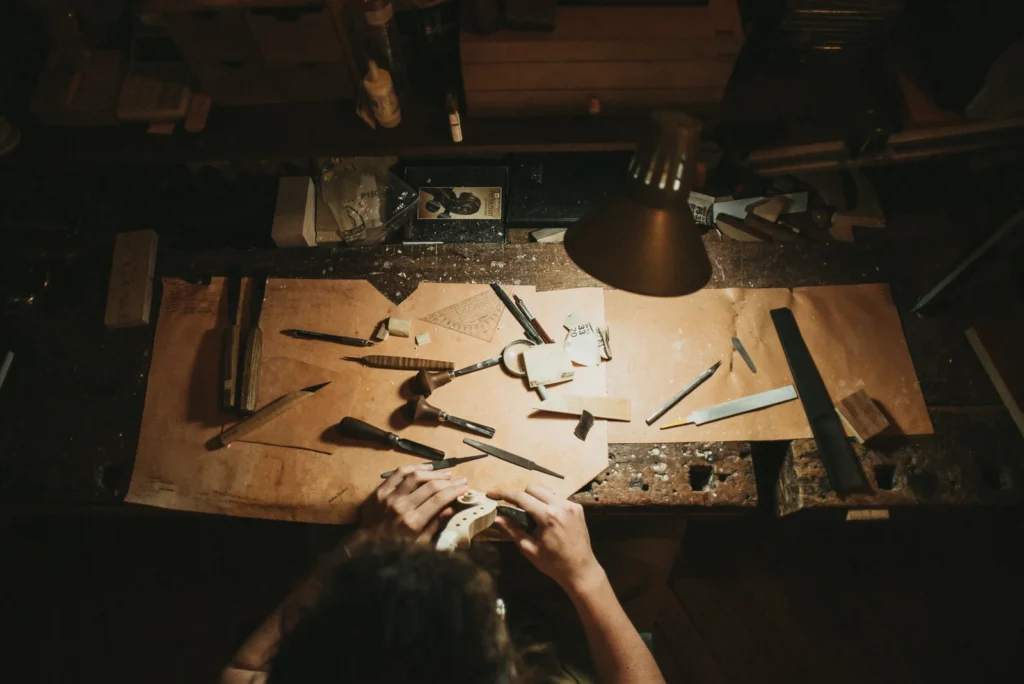
Tips for Reselling a Violin
Reselling a violin successfully requires timing, preparation, and a strong understanding of the market. Whether the instrument is part of an investment strategy or a personal collection, approaching the resale process strategically can significantly impact the final return.
- Check Market Trends: Before reselling, analyze current market conditions. Demand for specific luthiers, historical periods, or national schools can shift over time. Monitoring these trends helps determine the right moment to enter the market and position the instrument competitively, increasing the likelihood of a profitable sale.
- Keep Your Violin in Excellent Condition: The instrument’s condition plays a direct role in its resale value. Regular inspections, professional maintenance, and careful handling help preserve both structural integrity and tonal quality. Updated documentation, including certificates and previous appraisals, strengthens buyer confidence and supports the asking price.
- Understand the Liquidity of the Instrument: While violins can be valuable assets, they are not instantly liquid. The resale process may require patience, depending on the instrument’s price range, maker, and current demand. Recognizing this liquidity factor is essential when incorporating a violin into a broader financial or collection strategy.
Monitoring market trends, preserving the instrument’s condition, and understanding liquidity allow owners to position their violin for optimal resale results. These elements influence not only the final selling price but also how attractive the instrument appears to serious buyers.
Ultimately, a strong violin asset represents more than rarity or age. It reflects authenticity, craftsmanship by respected luthiers, documented provenance, careful preservation, and sustained demand. When financial discipline aligns with appreciation for musical heritage, violins stand out as distinctive assets capable of delivering both long-term value and cultural significance.
Trust Expertise to Secure Your Next Violin Investment Asset
Building a successful violin investment portfolio requires expert guidance. At Amorim Fine Violins, we offer access to an exceptional collection of rare and historically significant instruments.
Our expertise in violin appraisal, market analysis, and fine luthiers ensures that each instrument meets the highest standards of quality and investment potential.
Trust our experience to help you acquire your next violin investment asset, where craftsmanship, history, and long-term value come together.
Talk to a specialist about this topic

Featured Instrument
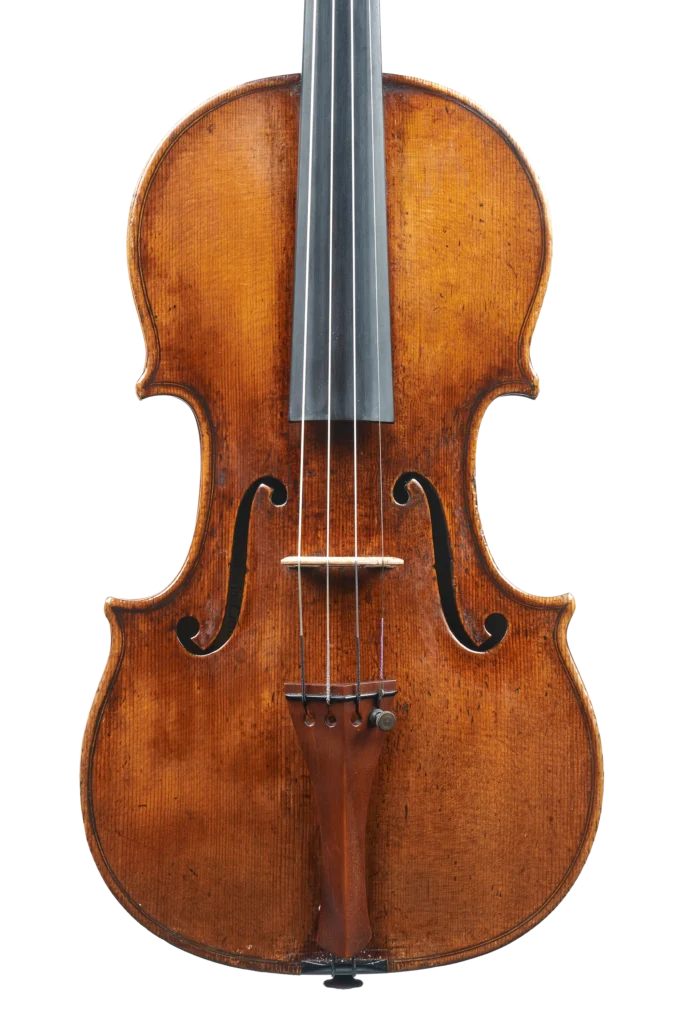 AVAILABLE
Violin by Antonio Stradivari "Lam; Ex-Scotland University"
Antonio Stradivari — c.1734
View Instrument