Understanding violin appraisal value is one of the most important skills a collector or investor can develop. While some violins are purchased purely for musical performance, others are acquired with a long term vision in mind, combining cultural significance, craftsmanship, and financial appreciation. A good violin investment does not happen by chance. It is the result of trained observation, historical knowledge, and the ability to evaluate an instrument beyond surface appearance. Learning how appraisal works and what truly drives value allows buyers to avoid costly mistakes and identify instruments with strong long term potential. This guide explores how violin appraisal value is determined, what makes a violin worth investing in, and how to sharpen your eye for intelligent acquisition decisions.
How to find the value of a musical instrument?
Finding the value of a musical instrument, especially a violin, requires a structured and informed approach. Unlike standardized assets, violins are unique objects, and their value is shaped by multiple qualitative and historical factors. A professional appraisal is the most reliable starting point. During an appraisal, experts assess the instrument’s age, origin, materials, craftsmanship, condition, and historical relevance. This process forms the foundation of both antique violin appraisal value and modern instrument evaluation. Market context is also essential. Appraisers consider recent sales of comparable instruments, current demand, and trends within the violin investment market. This is particularly relevant when determining a vintage violin value appraisal price range, as similar looking instruments can vary dramatically in worth depending on documentation and attribution. For collectors, understanding the basics of appraisal helps interpret expert opinions more clearly and avoid overpaying for instruments that lack investment fundamentals.
What makes a violin appraisal worth an investment?
Not every violin with an appraisal is a good investment. True investment grade instruments combine several key characteristics that support long term appreciation and market demand.
Maker attribution and authenticity
The identity of the maker is one of the most influential elements in violin appraisal value. Instruments crafted by historically important luthiers or within renowned violin making schools consistently show stronger investment potential. Classical masters such as Antonio Stradivari, Giuseppe Guarneri del Gesù, the Amati family, and the Gagliano family established standards of craftsmanship that still define value today. Modern makers can also play a meaningful role in investment when their work demonstrates exceptional craftsmanship and growing international recognition. Contemporary luthiers such as Luiz Amorim are increasingly valued for combining traditional techniques with refined tonal and structural quality. Authenticity, regardless of age, must be supported by expert certification, as uncertain attribution can significantly limit both market confidence and resale value. Even lesser known makers may represent strong opportunities when their work is well documented, stylistically consistent, and connected to respected violin making traditions.
Age and historical context
Age alone does not determine value, but historical context strongly influences antique violin appraisal value. Instruments produced during key periods of violin making often benefit from both scarcity and cultural relevance. The way a violin reflects the evolution of craftsmanship, materials, and sound design is far more important than its date alone. Violins associated with major historical schools or movements tend to perform better as long term assets. Cremona, Naples, Venice, Mittenwald, and Mirecourt are among the cities most closely linked to influential violin making traditions. Instruments connected to these centers often carry greater historical weight and market appeal than generic old violins without clear stylistic identity.
Condition and originality
Condition remains a decisive factor in determining investment quality. Violins that preserve a high degree of original craftsmanship, including varnish, wood structure, and proportions, are generally more attractive to collectors and investors. Natural wear is expected in older instruments, but extensive damage or invasive repairs can negatively affect both tonal performance and financial value. Professional restoration does not automatically reduce a violin’s worth. When executed by skilled luthiers using historically appropriate methods, restoration can protect the instrument’s longevity. Transparency and detailed repair records are essential for maintaining appraisal credibility and long term confidence.
Provenance and documentation
Provenance adds narrative depth and credibility to violin appraisal value. A clear ownership history, supported by historical records and previous expert evaluations, strengthens trust and enhances desirability. Instruments with documented links to notable musicians, collections, or cultural institutions often attract higher levels of interest. Proper documentation also safeguards investors by reducing uncertainty. In high value transactions, clarity is essential, and well maintained records make future resale more efficient and secure.
Market demand and liquidity
A violin suited for investment must exist within an active and knowledgeable market. Instruments that appeal to both professional musicians and collectors tend to be more liquid, supporting stable pricing and long term appreciation. Understanding how an instrument fits into current demand is a key part of violin identification and price guide analysis. Violins connected to respected makers, cities, or craftsmanship traditions are generally easier to place in the market than instruments with unclear origins or limited recognition.
How to have an eye for making good violin investment?
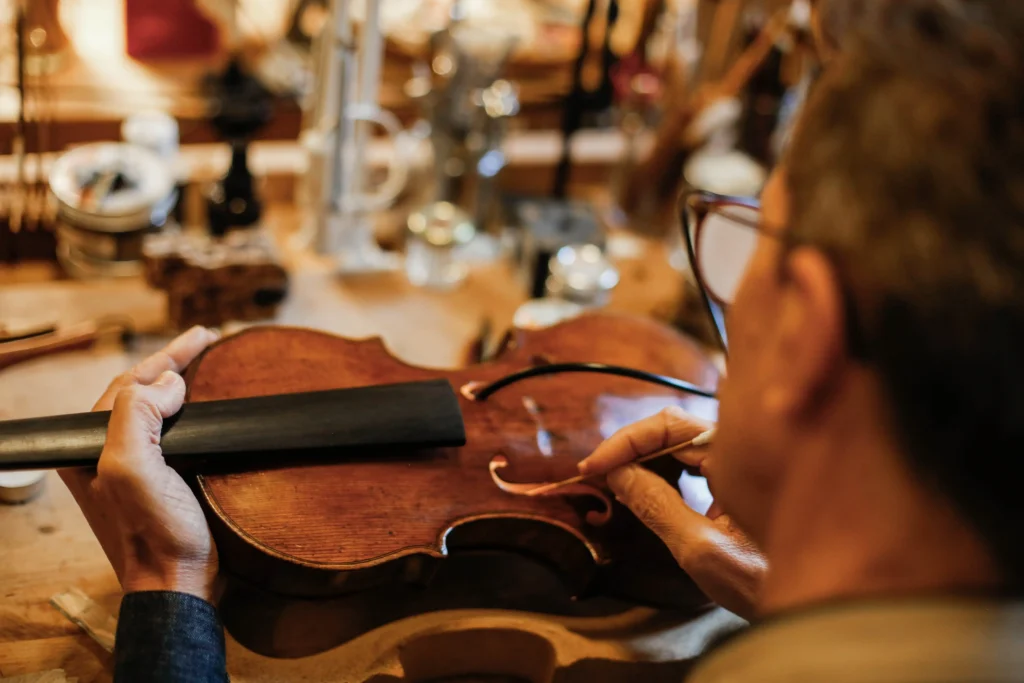
Developing a trained eye is a gradual process that blends study, exposure, and expert guidance. While professional appraisals remain essential, investors who understand the fundamentals make better long term decisions. Start by studying violin making history and regional styles. Learning how instruments from different schools look, feel, and sound builds visual and tactile recognition skills that are invaluable during evaluation. Exposing yourself to many instruments is equally important. Visiting reputable dealers, exhibitions, and auctions allows you to compare craftsmanship, condition, and tonal qualities across price ranges. Over time, patterns become easier to recognize. Understanding violin appraisal cost is also part of training your investment mindset. Appraisal fees vary depending on expertise and depth of analysis, but they should be viewed as a protective investment rather than an expense. A well informed appraisal can prevent costly purchasing errors. Finally, work closely with experienced luthiers and specialists. Their insights help refine judgment, validate assumptions, and deepen understanding of subtle details that influence value. The most successful violin investors combine independent knowledge with trusted professional input.
Trust our experts at Amorim Fine Violins
Mastering violin appraisal value is essential for anyone serious about violin investment. From understanding antique violin appraisal value to navigating vintage violin value appraisal price ranges, informed evaluation protects capital and uncovers genuine opportunities in the market. A good eye is not innate. It is developed through education, experience, and close contact with exceptional instruments. Learning how violins are appraised, what drives long term value, and how to interpret expert assessments allows collectors and investors to make confident, strategic choices. At Amorim Fine Violins, our specialists combine deep historical knowledge with hands-on expertise in appraisal, authentication, and selection of fine instruments. Whether you are beginning your investment journey or refining an established collection, our team is here to guide you toward violins with lasting artistic, cultural, and financial value. In the world of violin investment, trusted expertise makes all the difference.
Talk to a specialist about this topic

Featured Instrument
 AVAILABLE
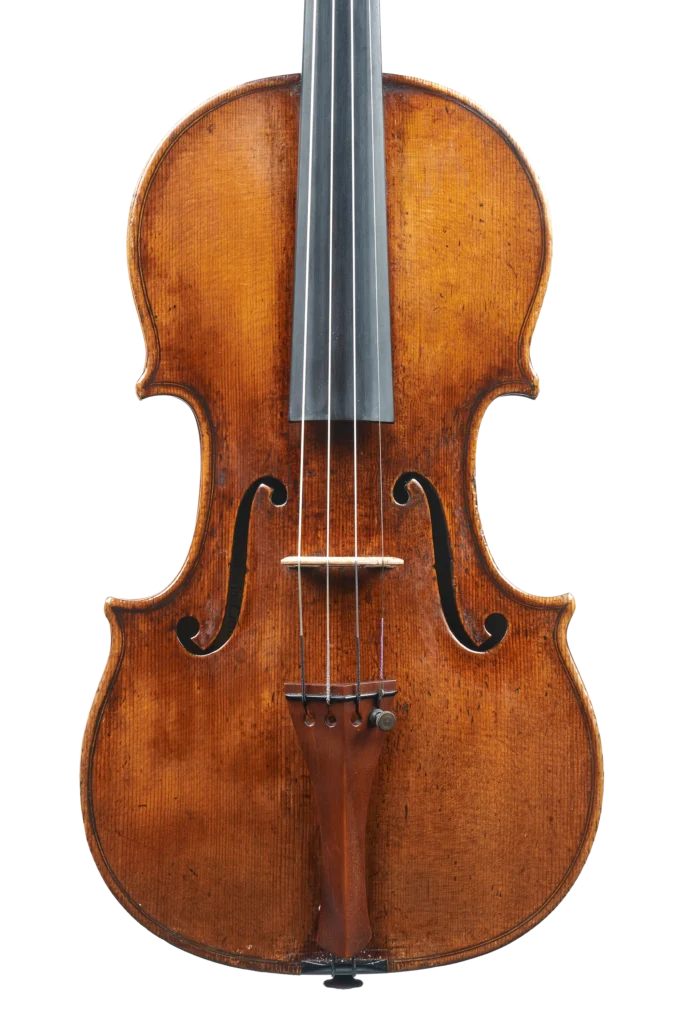
Violin by Antonio Stradivari "Lam; Ex-Scotland University"
Antonio Stradivari — c.1734
View Instrument