Full Description
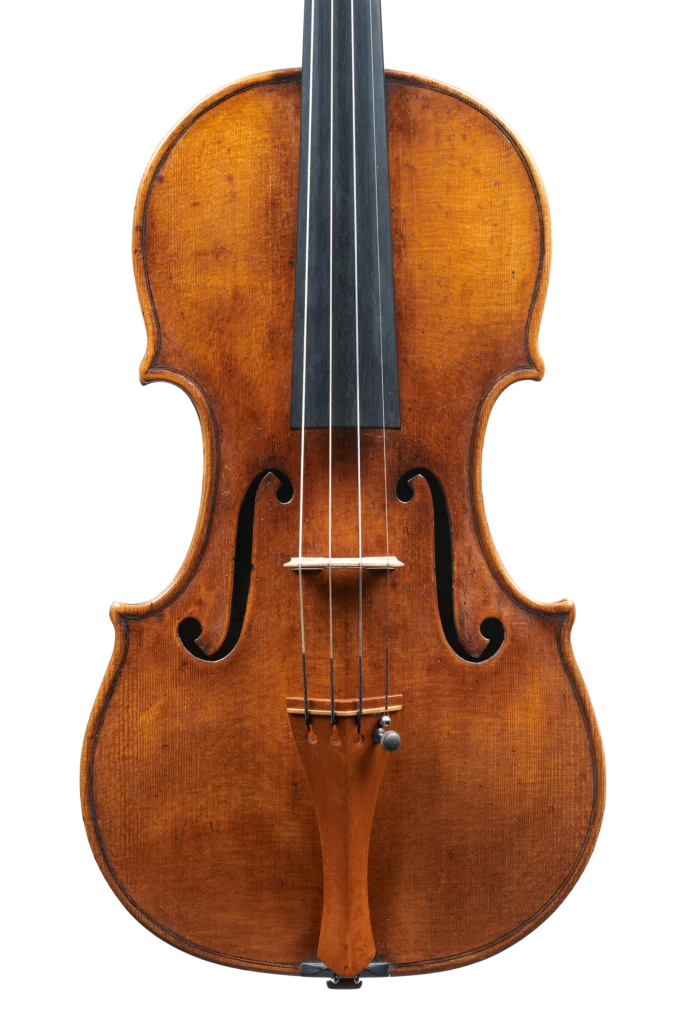
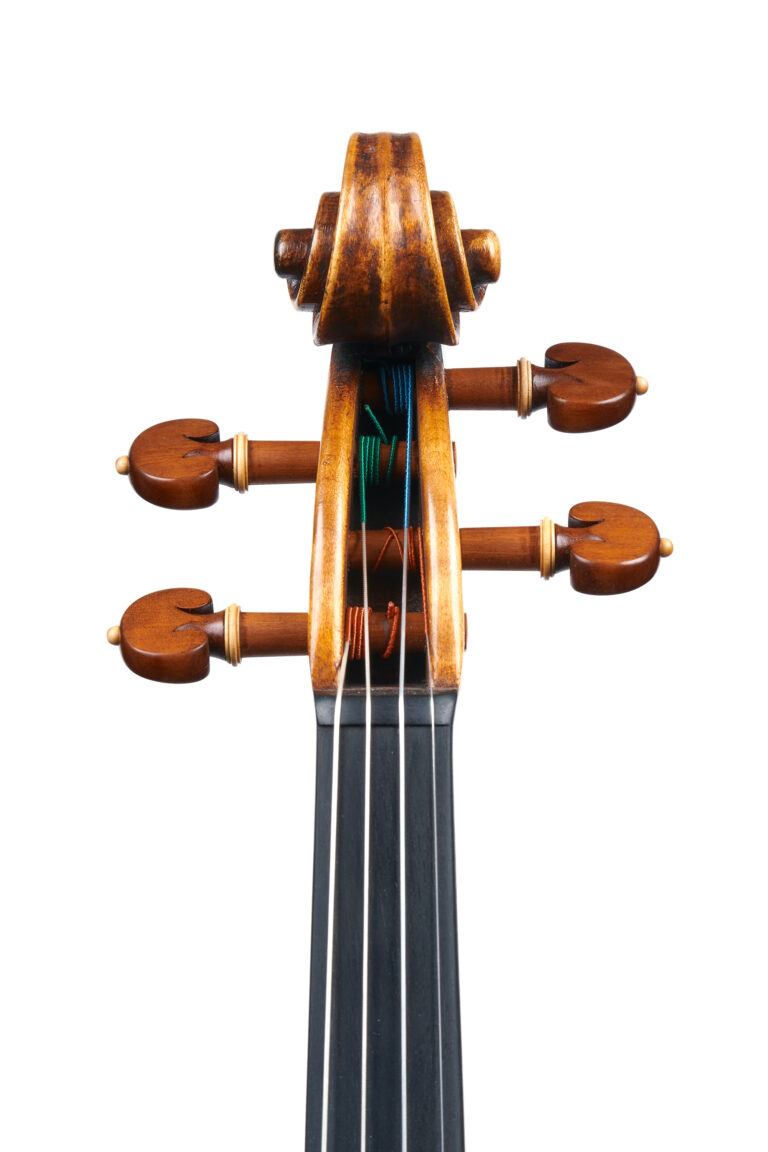
This violin was Crafted da capo al fine as a precise copy of the Cremonese Masterpiece, which currently still resides in Cremona Museum. The single-piece maple back, the bear-claw marked Italian spruce top, the wood purfling, the barely residual golden varnish, all was selected and worked out as na omage to the original once played by the great Pinchas Zukerman. Such an important example of the 'Del Gesù's' work should interpreted as pure as it is.
"This instrument represents a very important snapshot of Guarneri development towards his most personal and characteristic models. The F-holes shape and the model outlines already indicates a very innovative understanding of the instrument dynamics and concept, yet to be even further undergone. To be able to study it deeply in person allows one to learn so much about his work and about the natural aging marks such a fine violin can earn considering its great condition." The Stauffer, 1734 is from an earlier period of ‘del Gesù’s’ life. The body of the instruments is very Strad style since it was a period in which Guarneri was still under the shadow of Stradivari. Luiz likes to say that this violin has a strong character, with thicker edges resulting in a bold style. For Luiz the perfect purfling inlaid is its highlight. Luiz was inspired to make a copy of this instrument since it is being exhibited at the museum just next to us, and he has already had the opportunity to see, touch and study this instrument several times. It’s not a commonly copied model the ground color, and the