Antonio Stradivari’s violins are not sitting in private drawers waiting to be discovered. Today, the surviving instruments belong to a select group of owners: major museums, central…
Certification answers the first question anyone asks of a fine instrument: what is it. Who made it, where, and when. The conclusion is a certificate of authenticity signed by Amorim Fine Violins: a professional opinion we stand behind, and one that stays with the instrument for the rest of its life. We certify antique instruments only. Every certificate is issued together with its dossier: the research, the analysis and the condition report that led to the conclusion. We do not issue one without the other.
Scroll, f-holes, arching, varnish, purfling and internal construction, read against documented examples of the attributed maker's work. This is where an experienced eye does what no instrument can do for it.
Imaging and dating that reach past the surface: what lies beneath the varnish, what has been repaired, when the wood was felled and where it grew.
The instrument's documented history, past owners, auction records, existing certificates, literature. A verifiable chain of ownership is one of the strongest supports an attribution can have.
The instrument measured against known reference instruments of the period: proportions, model, working habits, materials. Where the evidence holds, the certificate is signed and the dossier assembled.
That study is also where his expertise comes from. Reproducing an instrument means measuring and accounting for every choice its maker made, the arching, the thicknesses, the varnish, the marks of the tools. Over decades, work of that kind builds an eye that identifies a maker's hand and understands its detail. It is why the same person who creates the atelier's new instruments also signs its Certificates of Authenticity.
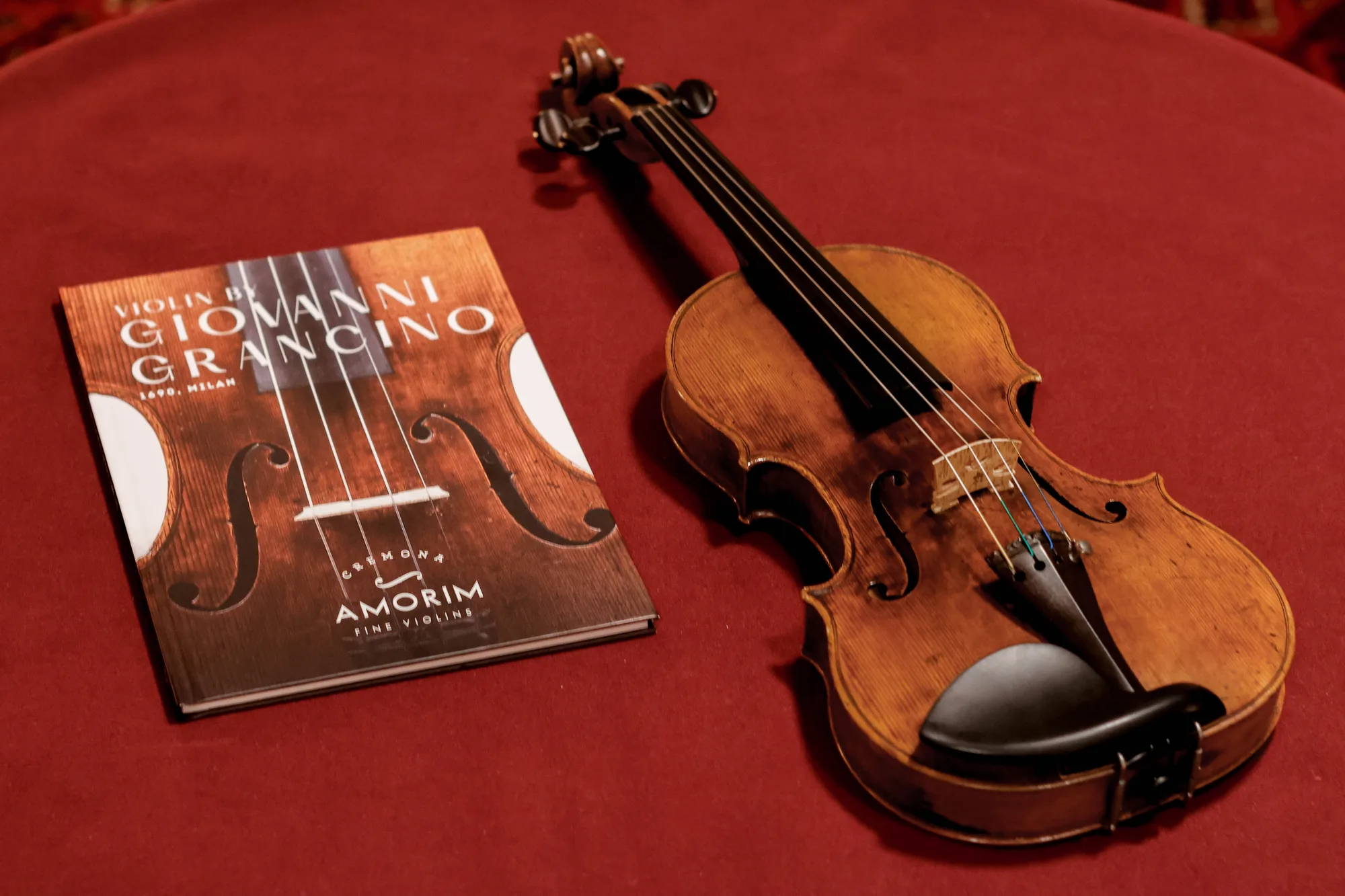
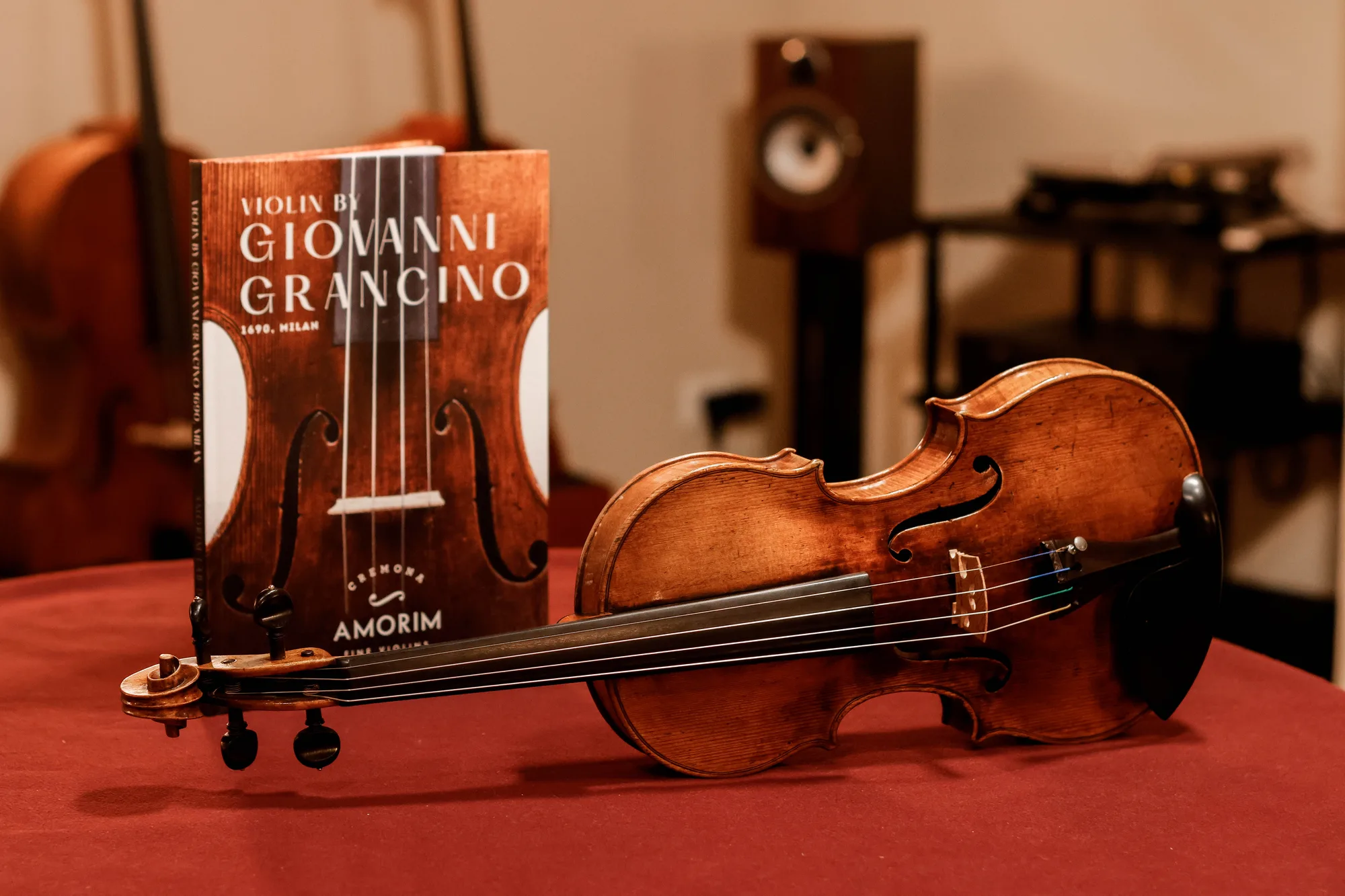
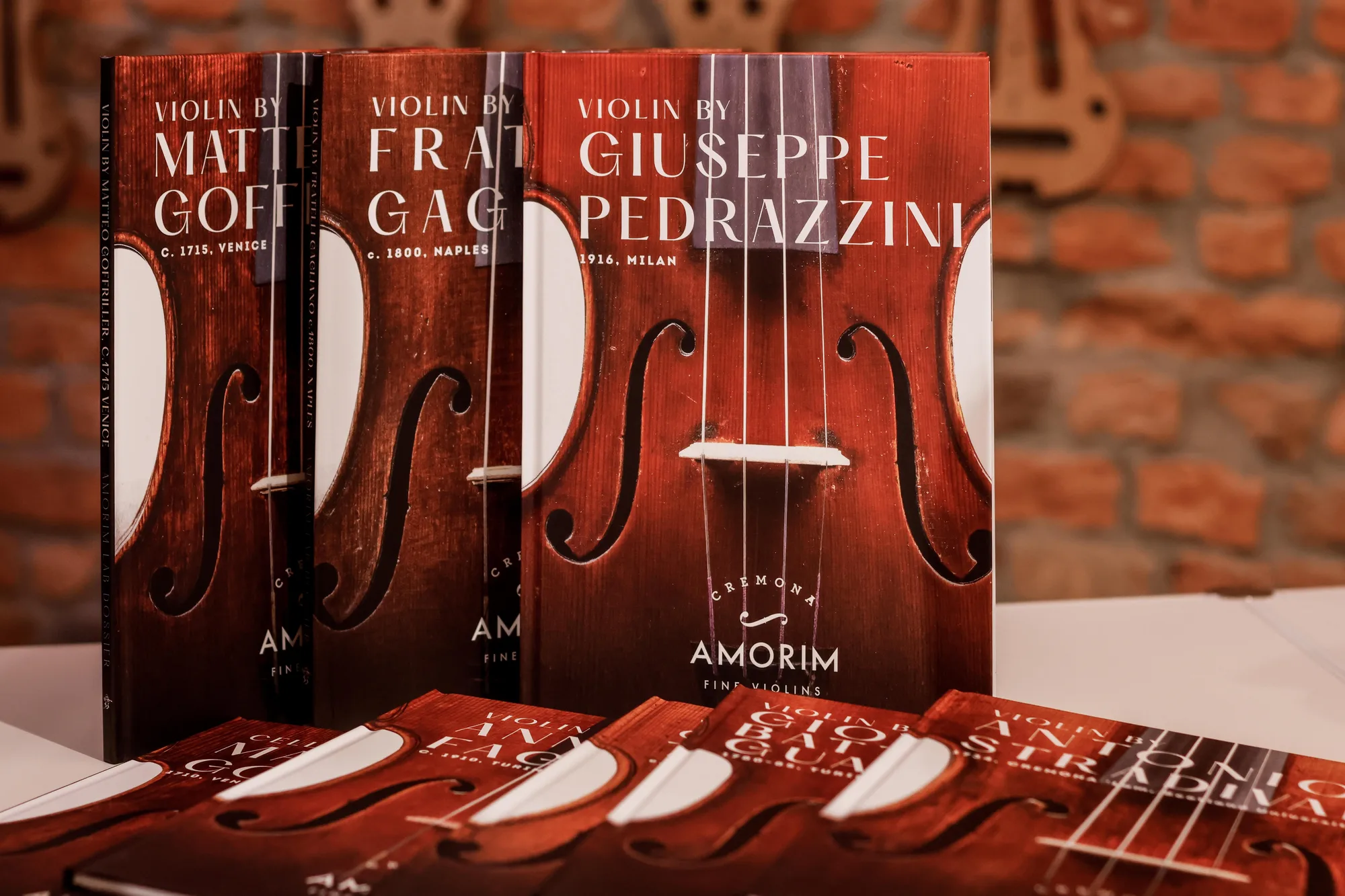
Every certificate we issue comes with its dossier printed and digital. It is the whole case, set out so that anyone examining the instrument in ten or fifty years can follow the reasoning: the maker's history, a full description of the instrument, its provenance, the Amorim Lab analysis with its imaging plates, and a condition report.
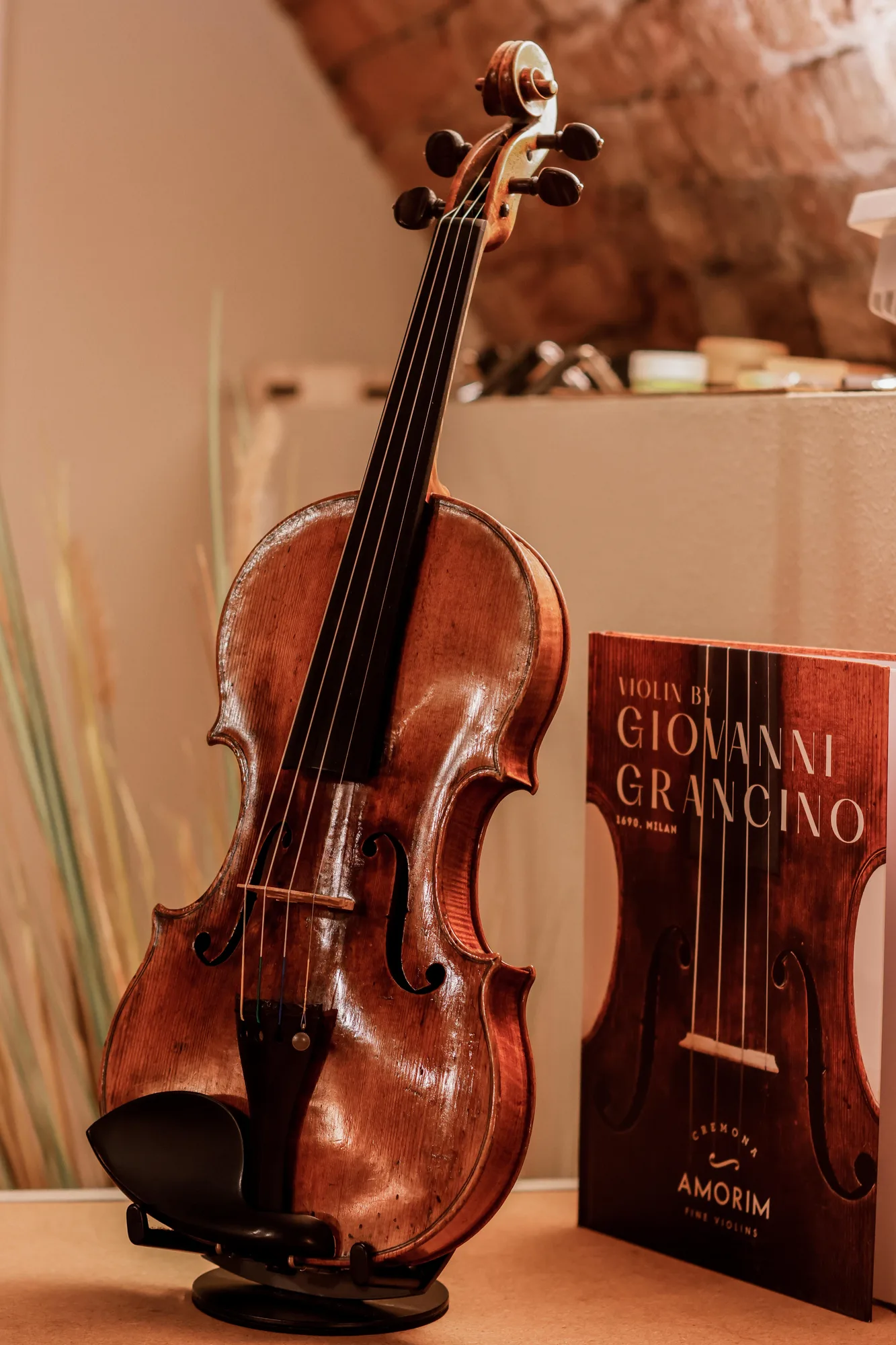
Certification: what the instrument is A signed attribution establishing maker, place and period, issued with its full dossier. Permanent: it stays with the instrument and is read by every future owner, dealer and auction house. The foundation. Nothing can be valued until it is known.
Appraisal: what the instrument is worth A signed statement of value, prepared for a defined purpose and valid as of a stated date. Built on the attribution, the condition and current market evidence. Dated by nature. Required by insurers, estate lawyers and serious buyers.
Antonio Stradivari’s violins are not sitting in private drawers waiting to be discovered. Today, the surviving instruments belong to a select group of owners: major museums, central…
A violin is never just a violin once it has lived a life. The great instruments of the world, the ones that appear in auction catalogs and…
Understanding violin market value is essential for collectors, investors, and professional musicians alike. While a beginner may look at a violin as a tool for learning, collectors and seasoned…
Our team is available for consultations in person at our Cremona workshop and remotely for clients worldwide. We will advise on the appropriate service for your situation before any engagement begins.