Top World-Class Violin Soloists
The great violin soloists are not distinguished by speed alone. What stays with audiences is the musical personality behind the technique: Paganini’s expansion of virtuosity, Kreisler’s unmistakable phrasing, Heifetz’s precision, or the way contemporary performers give familiar concertos a new perspective. Their achievements span different eras and cannot be reduced to one objective ranking.
This selection brings together influential historical violinists, established international soloists, and younger musicians shaping the next generation. It is a curated guide, not a claim that these are the only great players or that one can definitively name the best violinist in the world today.
What Makes a World-Class Violin Soloist?
A soloist must carry an individual musical idea beyond the instrument and into a hall. Technical command makes that possible, but interpretation gives it meaning: phrasing, articulation, colour, timing, and the confidence to make choices within the score. Some artists are remembered for transforming performance standards; others have expanded the repertoire by commissioning, performing, or recording unfamiliar music.
The distinction between a celebrated violinist and a world-class soloist is not a single competition win, a famous instrument, or a list of concert venues. It is sustained artistic work that convinces listeners, colleagues, and musical institutions over time. A published survey of leading players offers one perspective on influence, but even peer selections reflect different tastes and criteria.
Legendary Violinists Who Changed the Instrument’s History
A world-class violinist is more than just a musician; they are storytellers, enchanting audiences with every stroke of the bow. In this section, we delve into the extraordinary contributions of some of the most iconic violinists in history.
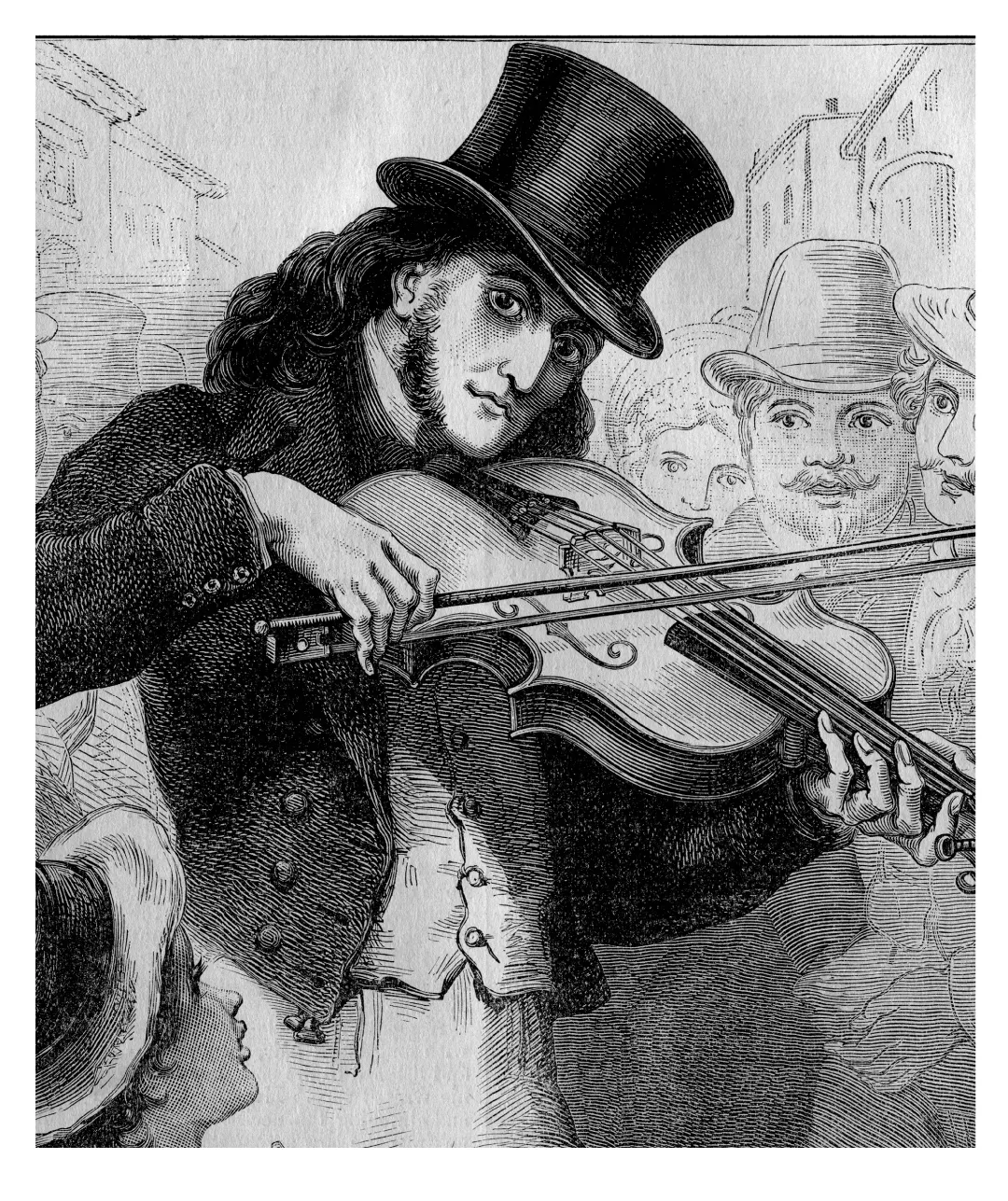
Niccolò Paganini: Expanding the Language of Virtuosity
Niccolò Paganini (1782–1840) changed expectations of what violin technique could accomplish. His 24 Caprices for solo violin remain a landmark of left-hand agility, bow control, harmonics, and musical imagination. Their difficulty was never simply a spectacle: Paganini used technical invention to create theatrical contrasts, colours, and effects that became part of the instrument’s expressive vocabulary.
His influence reached well beyond the violin. Composers and performers across the nineteenth century responded to the virtuoso ideal that his public career helped establish. For listeners discovering the tradition today, the Caprices reveal why his name remains central even though no sound recording of his playing survives.
Jascha Heifetz: Precision as an Artistic Language
Jascha Heifetz (1901–1987) helped define the recorded ideal of twentieth-century violin playing. His command of intonation, articulation, and rhythmic clarity is apparent across a wide repertoire, from concertos to compact recital pieces. What can sound effortless in his performances rests on formidable discipline and exact control.
Heifetz also left an important pedagogical legacy. Recordings and filmed performances allow musicians to study how he shapes a phrase without sacrificing focus or momentum. His influence therefore survives not only in reputation, but in musical evidence that students can continue to examine.
Fritz Kreisler: A Voice That Became Part of the Repertoire
Fritz Kreisler (1875–1962) offers a different model of greatness. His warm tone, flexible phrasing, and expressive timing made his musical personality immediately recognisable. A composer as well as a violinist, he contributed short works including Liebesfreud and Liebesleid that remain central to recital programmes and violin teaching.
Kreisler illustrates how a soloist can shape repertoire from both sides of the music stand: through distinctive performance and through music written for the instrument itself. His legacy is not about choosing expression over technique, but showing how technical freedom serves a personal voice.
Leading Violin Soloists of the Modern Era
The following musicians represent different approaches to the concert platform. Some have been international figures for decades; others belong to a newer generation of established soloists. Grouping them together does not imply that their careers began at the same time.
Itzhak Perlman: Communication Across Generations
Itzhak Perlman, born in 1945, has introduced generations of listeners to the expressive possibilities of the violin. His extensive concert and recording career includes major concerto repertoire, chamber music, and performances that reached audiences outside traditional concert halls, notably through film music.
An important part of his legacy is communication: a generous, singing approach to the instrument, coupled with teaching and public engagement. The scope of his career is a reminder that international prominence can be sustained through artistry as well as through the ability to make classical music accessible.
Gidon Kremer: Curiosity Beyond the Standard Canon
Gidon Kremer, born in 1947, has made artistic curiosity a defining part of his career. Alongside established repertoire, he has championed twentieth-century and contemporary composers, helping bring less familiar music to international audiences. His work challenges the idea that greatness is measured only by repeated interpretations of the most famous concertos.
With Kremerata Baltica, the chamber orchestra he founded, he created a further platform for collaboration and musical discovery. His example shows the influence a soloist can have through programming, mentorship, and institutional imagination..
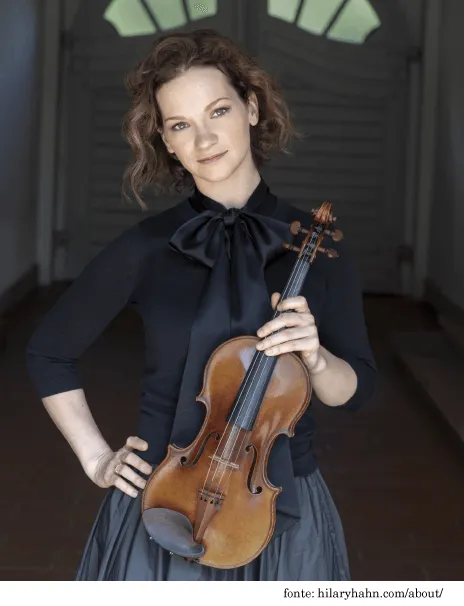
Hilary Hahn: Clarity, Bach and New Repertoire
Hilary Hahn has built a career marked by remarkable technical clarity and close attention to musical structure. Her interpretations of Bach’s solo works have been especially influential among listeners and students who value the balance between architectural coherence and expressive detail.
She has also supported new music through commissions and contemporary repertoire. That combination, returning to works with centuries of interpretation while making room for new voices, helps explain why she remains central to discussions of the best violinists performing today. Readers interested in the relationship between musicians and their instruments can explore our guide to instruments played by leading violinists.
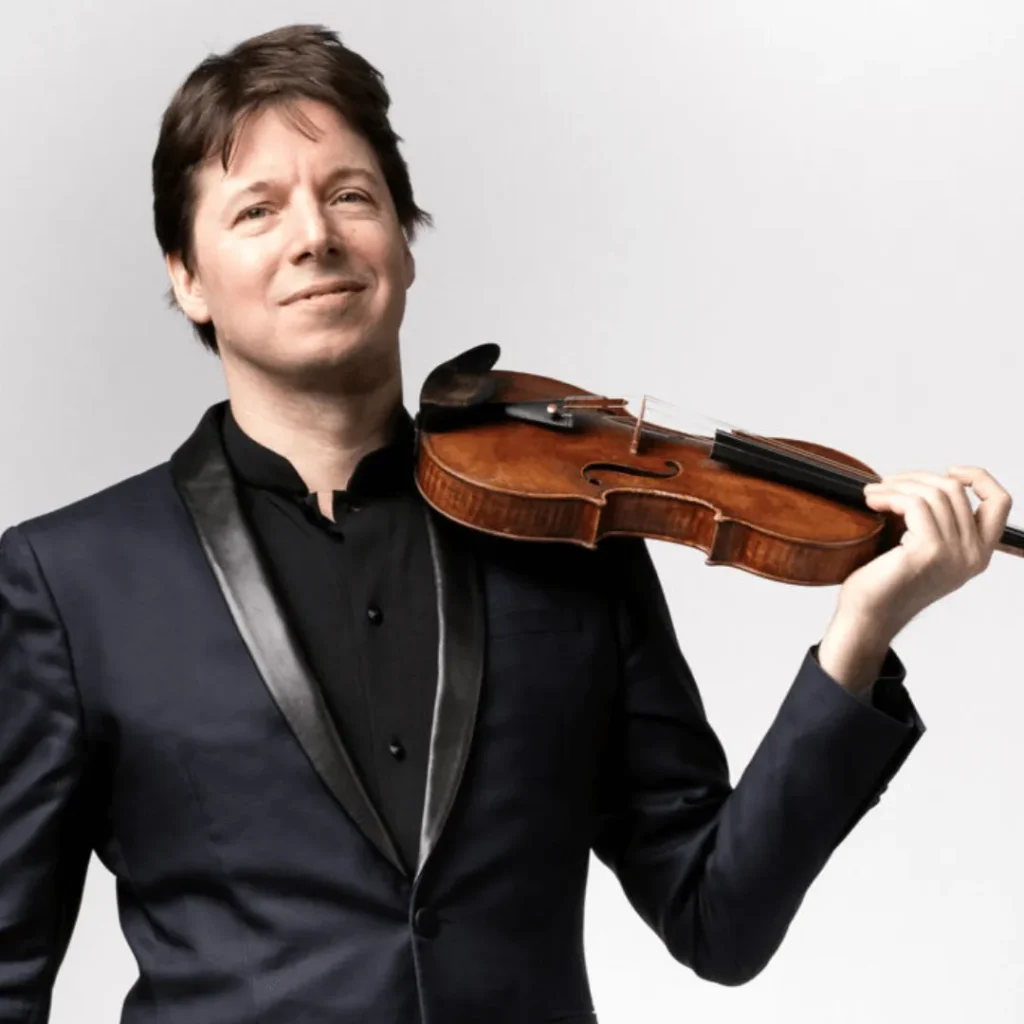
Joshua Bell: The Art of a Singing Line
Joshua Bell is known for an immediately lyrical approach to the violin, with the line of a phrase carrying much of its expressive weight. His work as soloist and music director has connected concerto performance with chamber-orchestra collaboration, giving audiences different ways to hear a familiar musical personality.
Bell’s career also illustrates the importance of sustained artistic development after early success. A strong debut may draw attention, but a long international career depends on interpretation, repertoire, and relationships with fellow musicians.
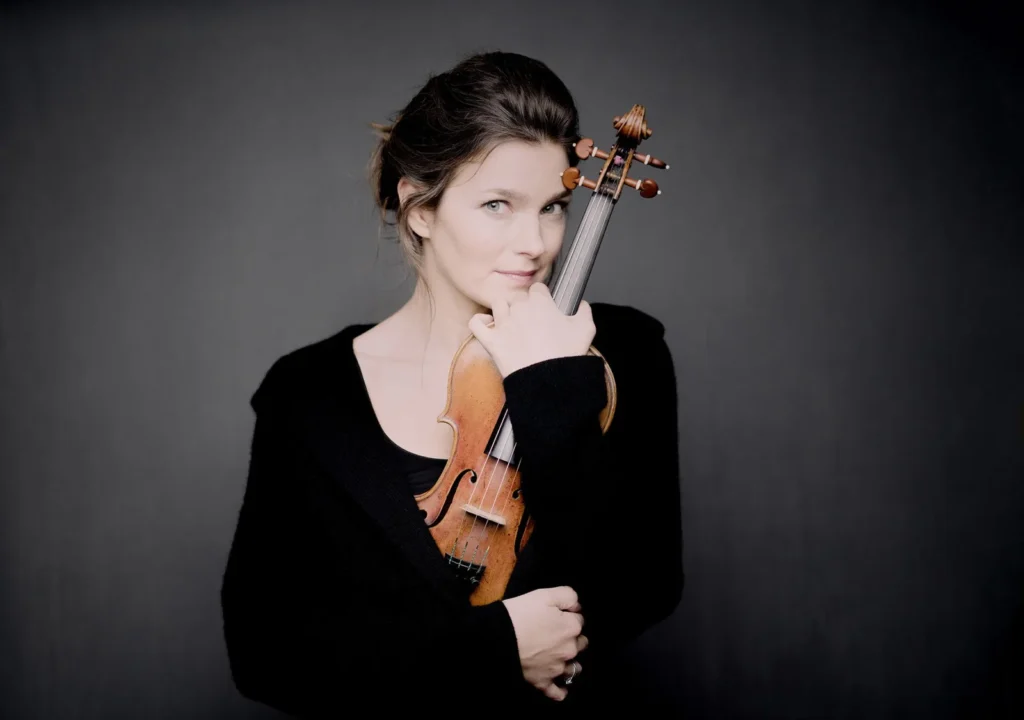
Janine Jansen: Chamber-Music Sensibility on the Solo Stage
Dutch violinist Janine Jansen is an established international soloist, not an emerging artist. Her interpretations often draw attention to the dialogue between violin and ensemble, whether in concertos or chamber music. Her much-discussed recording of Vivaldi’s Four Seasons with a small group of players reflects an interest in intimacy and exchange rather than sheer orchestral scale.
That sensibility makes her a useful example of a world-class musician whose individuality lies partly in listening: the soloist is never musically isolated from the players around her.
Augustin Hadelich: Versatility and Imagination
Augustin Hadelich brings formidable technique to a notably wide range of repertoire. Winner of the 2006 Indianapolis violin competition, he later received a Grammy for his recording of Dutilleux’s L’Arbre des songes. His recorded projects encompass Paganini, Bach, Romantic concertos, and modern compositions.
His career offers a particularly clear example of how breadth can coexist with an identifiable artistic voice. The Augustin Hadelich biography documents recent orchestral performances, recording projects, and his engagement with music across periods.
Young Violinists to Watch: A New Generation of Soloists
A new generation does not replace the artists above; it adds other perspectives to a living tradition. Some of these players were already highlighted in Amorim Fine Violins’ 2022 selection. Their careers have developed since then, so the focus here is on durable achievements rather than outdated ages, tour dates, or promises of future success.
María Dueñas: A Distinctive Voice Beyond Competition Success
Spanish violinist María Dueñas won first prize and the audience prize at the 2021 Menuhin Competition. That victory was an important early milestone, but her subsequent orchestral engagements, recordings, and interest in composition show a career extending well beyond the competition circuit. She has written cadenzas and original works, expressing her interpretive identity partly through composition.
Her artist biography at Deutsche Grammophon records a growing international repertoire and an increasingly established presence on major stages. It is a more useful measure of her development than the label “rising star” alone. See the María Dueñas artist profile.
Johan Dalene: Individuality and a Commitment to New Music
Swedish-Norwegian violinist Johan Dalene won the 2019 Carl Nielsen Competition and was named Gramophone’s Young Artist of the Year in 2022. Alongside interpretations of the established repertoire, his performances and recordings include recent compositions and concertos written for him.
His development is particularly relevant to the idea of a new generation: an emerging artist becomes a distinctive soloist by building repertoire and musical partnerships, not merely by collecting early prizes. The Johan Dalene biography provides current details of that work.
Christian Li: Early Recognition and Artistic Development
Christian Li became the youngest joint first-prize winner of the Menuhin Competition’s junior category in 2018, at the age of ten. His performance with the Geneva Chamber Orchestra drew international attention, and he subsequently developed relationships with orchestras as a soloist and chamber musician.
The achievement is noteworthy, but a child prodigy’s early recognition should not be confused with a finished artistic identity. What makes his career worth following is the transition from exceptional early technique to sustained musical development. The Menuhin Competition and Christian Li biographies document that progression.
Beyond the Original Selection
Other young artists, including Jonian Ilias Kadesha, contribute through solo performance, chamber music, and adventurous programming. This is also why we would not simply reproduce the 2022 list as a ranking today: a string quartet such as Stars Aligned Siblings belongs in a discussion of chamber ensembles, not in a list devoted specifically to individual violin soloists.
How Great Soloists and Fine Instruments Shape One Another
A celebrated violin name is often associated with an equally celebrated instrument. Yet there is no single sound that all world-class musicians seek. Projection, clarity, response under the bow, and the flexibility to shape quiet passages matter differently according to the player, the repertoire, and the hall.
At the Amorim atelier, the evaluation of an instrument includes balance across its strings, how readily it speaks, and how its sound carries beyond the player’s ear. A trial with a familiar bow and a listener at a distance can reveal differences that are easy to miss in a short showroom test. These practical observations help explain why musical suitability cannot be inferred from a famous maker’s name alone.
The relationship between artist and instrument is especially tangible in Amorim’s work with Leonidas Kavakos. Luiz Amorim created seven bench copies of Kavakos’s 1734 “Willemotte” Stradivari, drawing on direct study of the original and the musician’s perspective. This documented collaboration offers a concrete example of historical making traditions meeting the demands of a living soloist.
Historical Italian violins remain important cultural and musical reference points, while contemporary makers continue to explore their models and respond to present-day performers. For a fuller introduction to craftsmanship, condition, and musical evaluation, see understanding fine violins and the selection of Luiz Amorim instruments.
What Should Listeners Explore Next?
No single list can resolve who is the best violinist in the world. A more rewarding approach is to compare interpretations: listen to the same concerto by Heifetz and a living performer, or contrast an established soloist’s Bach recording with that of a younger artist. Pay attention to phrasing, articulation, tone, and the relationship with the ensemble, rather than measuring excellence by speed.
For specific performances to seek out, our performance guide offers a complementary starting point. The continuing story of world-class violinists belongs to the musicians, composers, and audiences who keep this repertoire alive, and to the instruments that allow each artist to speak in an individual voice.
Talk to a specialist about this topic

Featured Instrument
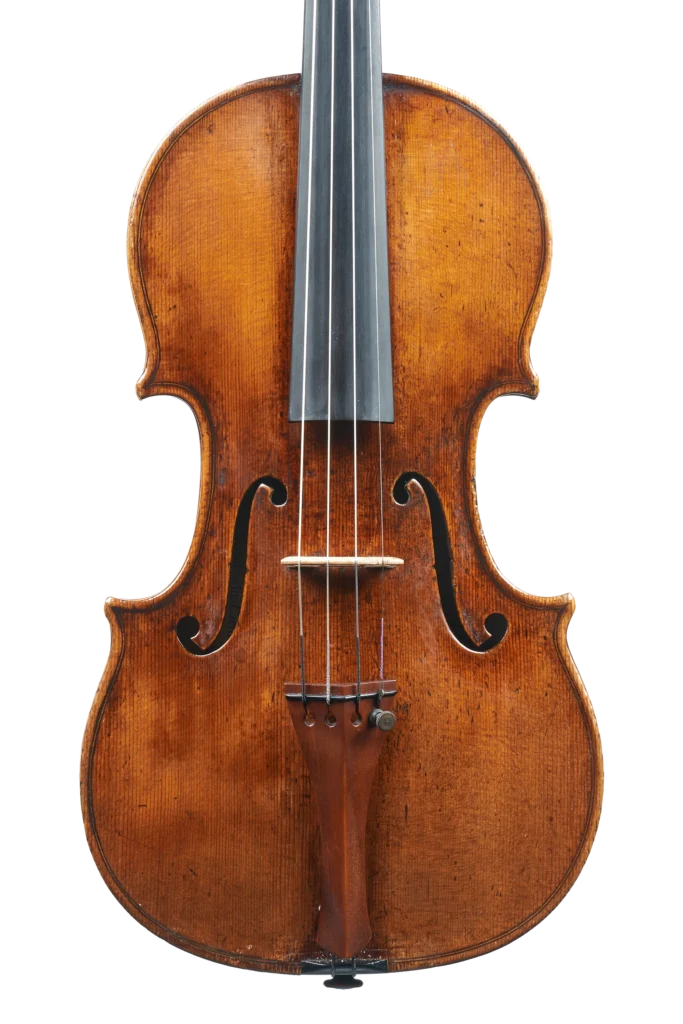 AVAILABLE
Violin by Antonio Stradivari "Lam; Ex-Scotland University"
Antonio Stradivari — c.1734
View Instrument