Taking proper care of your violin is essential if you want it to sound its best and last for many years. Whether you’re aiming to preserve its value for future resale or simply want to enjoy consistent tone and playability, good maintenance makes all the difference. Violins are delicate instruments, highly sensitive to their environment and daily handling, but with the right habits, caring for them doesn’t have to be complicated. If you’re unsure where to start, this violin care guide brings together practical advice used by professional musicians and luthiers. From cleaning routines to storage tips and string maintenance, you’ll find everything you need to keep your instrument in excellent condition.
Violin Care Guide: Expert Advice from Professional Luthiers
Proper violin care isn’t about complex routines, but about understanding how small details affect your instrument over time. By developing a few consistent habits and knowing what to watch for, you can prevent common issues and preserve both the sound and structure of your violin. Let’s start with the most fundamental factors that influence its condition.
1. Your Environment Matters More Than You Think
The place where you live and store your violin has a direct impact on its condition. Violins are made primarily of wood, which reacts to changes in humidity and temperature. Excessive dryness can cause cracks, while high humidity may lead to warping, swelling, or glue failure. Ideally, your violin should be kept in an environment with stable temperatures and moderate humidity. Avoid placing your instrument near radiators, air conditioners, windows with direct sunlight, or inside a parked car. If you live in a very dry or humid area, using a case humidifier can help protect your violin from long-term damage.
2. Regular Cleaning Is Crucial for Violin Maintenance
Cleaning your violin after every practice session is one of the simplest and most effective care habits you can develop. Use a soft, dry flannel or microfiber cloth to gently wipe away rosin dust and sweat from the instrument’s surface. This prevents rosin from bonding with the varnish, which can permanently damage the finish over time. If rosin buildup has already hardened and is difficult to remove, avoid aggressive cleaning products. In specific cases, pure turpentine essential oil may be used very sparingly, but this should only be done with caution or under professional guidance to avoid harming the varnish.
3. Don’t Forget String Cleaning and Maintenance
Violin strings are constantly exposed to sweat, oils, and rosin. After playing, gently rub each string with a clean cloth until it warms slightly. This helps remove moisture and residue that contribute to oxidation. Over time, sweat penetrates the string windings, causing them to deteriorate internally. As rosin builds up, strings lose clarity, responsiveness, and may even snap unexpectedly. For optimal sound quality and safety, changing your strings regularly is essential, especially if you play frequently. Some extra tips to keep your strings in top condition:
- Apply a small amount of graphite (from a soft pencil) to the bridge and nut grooves to reduce friction.
- Check that strings are not excessively cutting into the bridge, which can weaken it over time.
4. Pegs Should Fit Properly and Turn Smoothly
The tuning pegs must be correctly fitted and sit very close to the pegbox cheeks. Poorly fitted pegs can slip, stick, or wear down the pegbox, making tuning frustrating and unstable. If your pegs are slipping or hard to turn, avoid forcing them. Peg compound or professional adjustment by a luthier is often needed to restore smooth and secure tuning without damaging the instrument.
5. Check the Bridge Angle Regularly
The violin bridge must always maintain a 90° angle with the top plate (table). Over time, tuning can pull the bridge forward, increasing the risk of warping or snapping. A simple way to check alignment is by placing a thin, straight object (such as a bookmark or ruler) next to the back of the bridge. If the bridge begins to lean, it should be carefully repositioned. Never force it aggressively, as improper handling can crack the bridge or damage the violin top. When in doubt, a luthier can correct the angle safely in minutes.
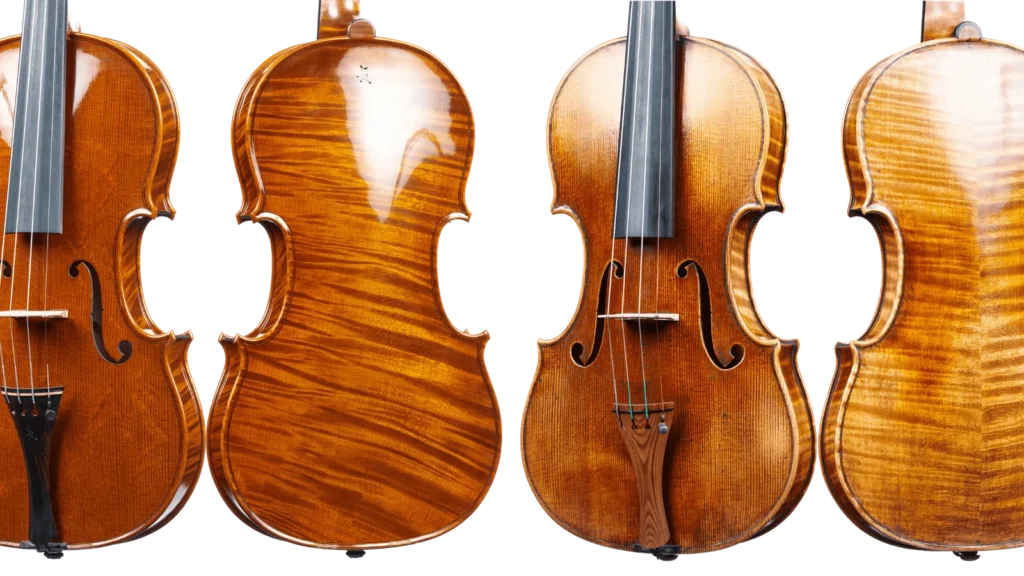
6. Store Your Violin Properly to Avoid Accidents
Proper storage is a key part of violin care. Always place your instrument in a high-quality, well-fitted violin case when not in use. A good case acts as a protective cushion, reducing the risk of scratches, cracks, and accidental impacts. Make sure the violin is secured inside the case, with the bow properly fastened and no loose objects that could move around. Leaving your instrument out on chairs, beds, or music stands greatly increases the chance of accidental falls.
7. Change the Strings When Needed
Knowing when to change your violin strings is essential for maintaining tone and playability. If your sound becomes dull, unstable, or unresponsive, or if tuning becomes inconsistent, it may be time for a new set. As a general guideline:
- Frequent players may need new strings every 3–6 months
- Occasional players can often go 6–12 months
Old strings not only sound worse but also place uneven tension on the instrument, affecting intonation and setup.
8. Handle Your Violin Gently and Mindfully
Always handle your violin with clean hands and avoid gripping it unnecessarily when not playing. Never lift the instrument by the strings or scroll alone. When placing it down temporarily, choose a stable surface, or better yet, return it to its case. Small daily habits make a big difference in preventing wear, accidental damage, and costly repairs.
9. Visit a Luthier for Regular Check-Ups
Just like your health, your violin benefits from regular professional check-ups. Visiting a qualified luthier ensures that your instrument is structurally sound, properly adjusted, and clean in ways that go beyond routine maintenance. A luthier can: Inspect seams, cracks, and varnish
- Adjust the bridge, soundpost, and pegs
- Deep-clean the instrument safely
- Recommend string changes and setup improvements
Even an annual visit can significantly extend your violin’s lifespan and improve its sound.
Trust Our Experienced Luthiers at Amorim Fine Violins
Caring for a violin requires knowledge, precision, and respect for the instrument’s craftsmanship. At Amorim Fine Violins, our experienced luthiers combine traditional techniques with modern expertise to keep your fine violin performing at its best. Whether you need routine maintenance, professional adjustments, or expert advice, we’re here to help you protect your investment and enjoy your music with confidence. Contact us today and give your violin the care it deserves.BROWSE OUR COLLECTION
Talk to a specialist about this topic

Featured Instrument
 AVAILABLE
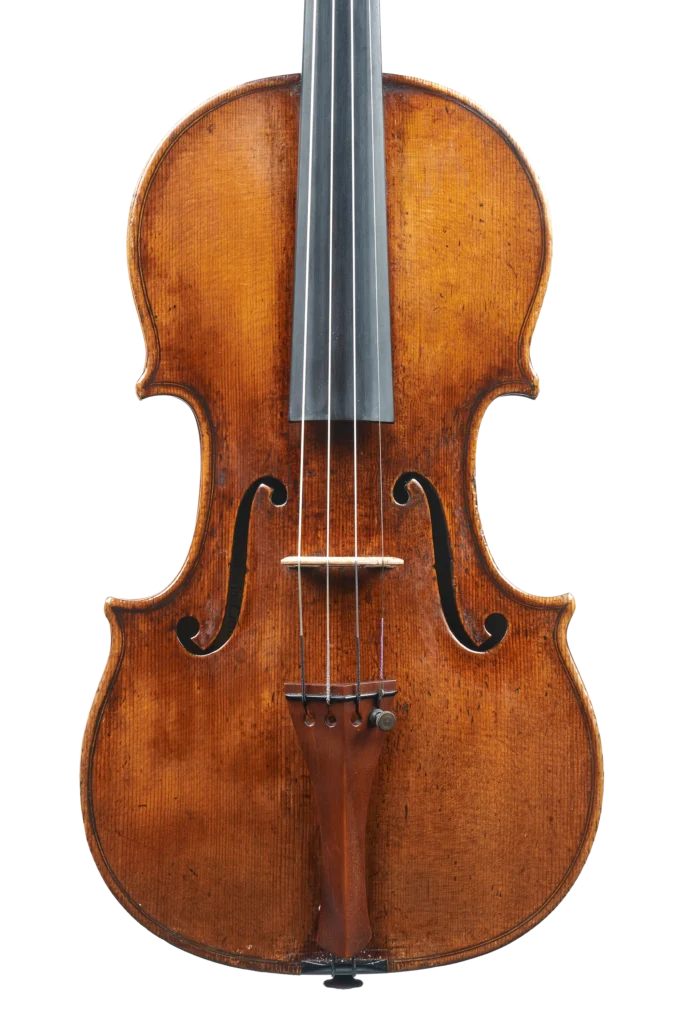
Violin by Antonio Stradivari "Lam; Ex-Scotland University"
Antonio Stradivari — c.1734
View Instrument