How To Get The Right Insurance For Your Violin
Knowing how to get the right insurance for your violin is extremely necessary once you have a masterpiece with strings and it needs care. The violin is a special handmade piece, a special craftwork, and it deserves the best care, after all professional musicians rely on them for their musical performances.
Your violin is more than just an instrument; it's a treasured partner on your musical journey. As a student of music or a seasoned musician, protecting your violin from potential mishaps is necessary. We understand here the meaning of your instrument and its value, which is why we've brought on this page on how to obtain the right insurance coverage.
Whether you're a student in the early stages of your musical pursuit or a renowned musician seeking optimal protection for your cherished instrument, it will help.
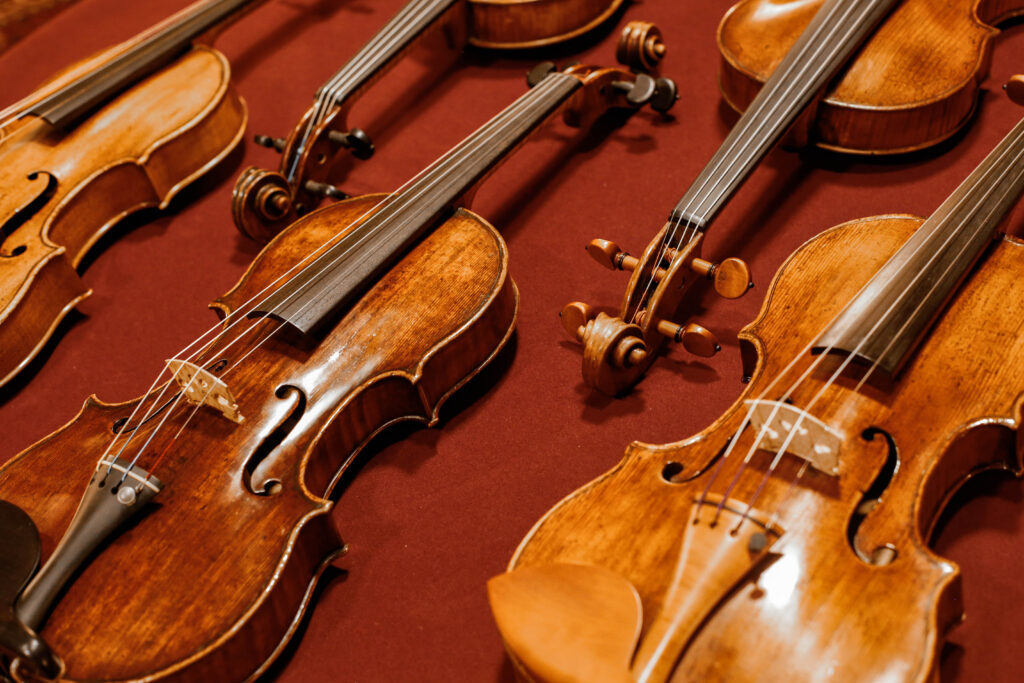
How to get the right insurance for your violin, step by step:
1 - Search for it - a lot
Even if you are a student or a parent, you'll have to search and create a good table of comparison so as to look at the best option - it can change in costs, types of instrument and services included. If you think that it is not necessary to have all of the insurance included, for example, you can try a plan with smaller services. But if you have an expensive or advanced instrument, we recommend that you get it all covered in case of any accident.
2 - Going Further
We know as makers that when you receive your instrument it's such a moment of happiness and joy, but you've invested money on it - and it has its value. As a musician - starter or advanced one - you need to analyze your real life and where you're taking the instrument with you and its purpose.
How so?
- Think as if you are a student, where do you go with your violin? train rides, public space, college, open air concerts, list all the potential places and any accident that may occur. - In other situations, as an advanced musician, you probably travel a lot, by train, car and planes. Having it protected all around the globe will make you feel safer. Well, here we have some situations that can make you feel safer if you have good insurance, and if you have a good map about your real life, you can match the right insurance for your needs.
3 - The Insurance Itself
Once you decide what you really need, look for reputable insurers with a track record of providing coverage for violins and other musical instruments. Reading customer reviews and seeking recommendations from fellow musicians can also be helpful in identifying reliable insurance providers.
Consider the premiums carefully:
Insurance premiums can change depending on the level of coverage and the value of your violin. While it may be tempting to opt for a lower premium, ensure that you don't compromise on essential coverage for the sake of cost savings. Finding the right balance between coverage and premiums will protect your violin adequately without straining your budget. - And keeping your instrument better when you need to.
And don’t forget the liability cover too:
This type of insurance is specifically designed to cover damages or injuries caused by the instrument while it is being used or handled by the musician. In other words, it's essential if you play in public and accidentally cause damage to others. It covers a lot of situations, including when the instrument accidentally falls and damages a valuable item or injures someone nearby, for example. And you can also suit its insurance to your needs, based on the number of performances you have and when you need that support provided by the insurance - but don't forget to check its policies closely before buying one.
4 - Seek advice:
If you're still unsure about the insurance, consider seeking advice from professionals with experience with it. When we create our opinion based on a real experience, it can help a lot. - Violin makers, teachers, and other musicians can offer valuable insights and recommendations based on their own experiences. Choosing the right insurance for your violin is crucial to safeguarding your musical investment and ensuring your peace of mind. Assessing your violin's value, researching insurance companies, and comparing coverage options will help you find the perfect insurance that meets your needs. We hope that this content has helped you make better decisions and shed some light on your journey to get the right insurance for your violin.
Talk to a specialist about this topic

Featured Instrument
 AVAILABLE
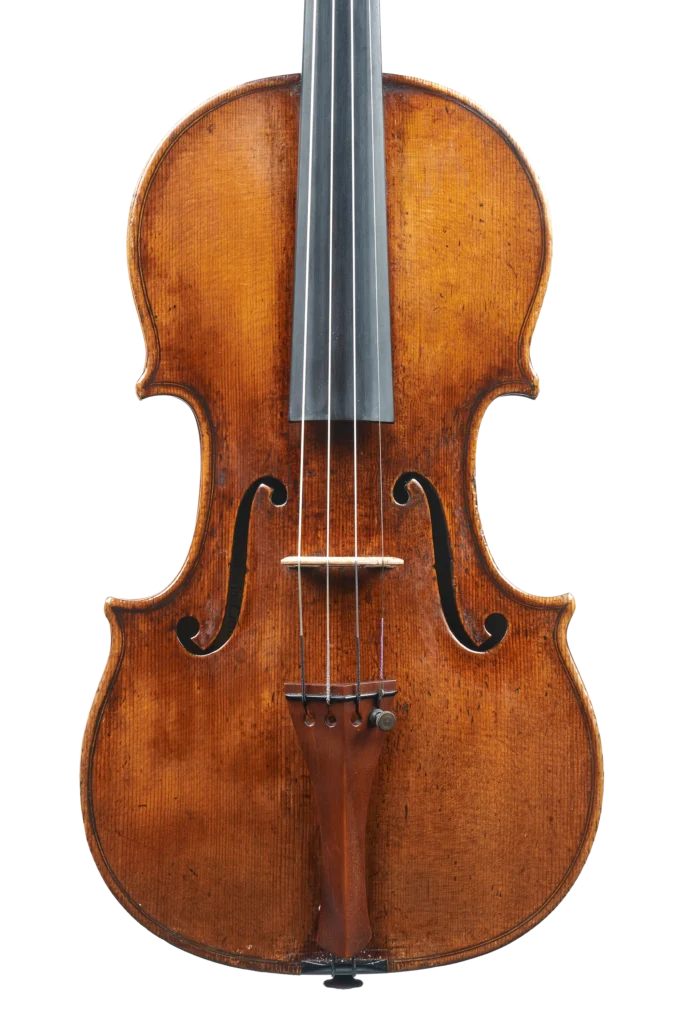
Violin by Antonio Stradivari "Lam; Ex-Scotland University"
Antonio Stradivari — c.1734
View Instrument