Choosing the right violin is a crucial step in any musician’s journey. Whether you are just starting out or looking to upgrade your instrument collection, the violin you select will directly impact your comfort, sound quality, and long-term progress. In many cases, a violin is not only a musical tool, but also an object of craftsmanship and lasting value. In this guide on how to choose a violin, we share expert tips to help you make an informed and confident decision. From understanding your playing level and musical goals to evaluating sound, craftsmanship, and price, we also explore the importance of long-term value and violin investment potential. This article will walk you through everything you need to consider before buying a violin that supports both your musical development and your future as a player or collector.
Expert Tips for Choosing a Violin
Choosing a violin is an important step in any musician’s journey. The right instrument can support your learning process, shape your sound, and influence how connected you feel to your playing. Whether you are just beginning or looking to upgrade, understanding what to look for will help you make a confident and well-informed decision.
1. Determine Your Playing Level and Musical Purpose
Before exploring different violins, it’s essential to understand your current playing level and your purpose for playing the instrument. Your needs will vary greatly depending on whether you are learning, performing, or building a collection.
- For beginners: The focus should be on comfort, reliability, and ease of play rather than finding the perfect sound. A violin that balances affordability with proper setup and decent sound quality will support the development of basic technique, posture, and musical sensitivity. At this stage, the goal is to create a positive learning experience that builds confidence and encourages long-term commitment to the instrument.
- For intermediate and advanced violinists: As skills progress, musical demands increase, requiring instruments with greater tonal depth, stronger projection, and improved responsiveness. Higher-quality craftsmanship becomes essential to support refined technique and more complex repertoire. Upgrading the violin is often a natural step in artistic growth and may also involve considering the instrument’s origin, maker, and long-term value.
- For collectors and investors: The focus extends beyond playability to include provenance, craftsmanship, and historical or artistic significance. Violins by reputable makers or workshops are often valued for their consistency, uniqueness, and potential to appreciate over time. In this context, a violin is not only a musical instrument, but also a collectible asset that reflects heritage, expertise, and long-term vision.
2. Consider Sound Quality, Tone, and Responsiveness
Sound is one of the most personal aspects of choosing a violin. Every instrument has its own voice, and finding one that resonates with you is essential. When evaluating sound quality, listen for clarity and balance across all strings, as well as warmth, projection, and resonance. A good violin should respond well to changes in bow pressure and articulation, allowing you to shape your sound naturally. For beginners, this means producing clear and stable tones without excessive effort. Advanced players, on the other hand, often look for complexity, richness, and a wide dynamic range to express musical nuance. Whenever possible, try several violins side by side. Even instruments within the same price range can differ significantly in tone and feel, and small differences can make a big impact on your playing experience.
3. Evaluate Craftsmanship and Build Quality
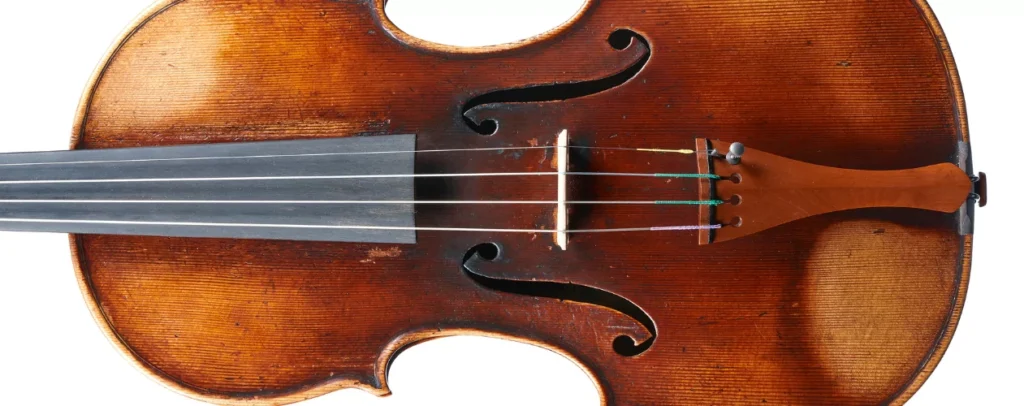
Craftsmanship plays a vital role in both playability and durability. A well-crafted violin responds more easily to the player and maintains its performance over time. Pay close attention to the quality of the wood, the overall construction, and the precision of the setup, including the bridge, fingerboard, pegs, and soundpost. The varnishalso contribute to how the instrument vibrates and feels under the bow. Even for beginners, good craftsmanship makes learning more enjoyable. Poorly made instruments can lead to tuning instability, discomfort, and frustration, which may slow progress and reduce motivation. As your skills advance, craftsmanship becomes even more critical, supporting refined technique and expressive playing.
4. Set a Realistic Price Range and Think Long Term
Setting a realistic budget is a key part of learning how to choose a violin. Violins are available across a wide range of prices, and the most expensive option is not always the most appropriate. For beginners, a violin in the lower to mid-price range that offers solid quality and proper setup is usually the best choice. Extremely inexpensive instruments often compromise sound and playability, which can make learning more difficult. Intermediate players may benefit from investing more in improved sound quality and craftsmanship, while advanced players and professionals often require high-end instruments capable of delivering greater tonal complexity and artistic control. It’s also important to think long term. A violin is not just a purchase, but a musical companion. Consider how often you will play, your commitment to continued learning, and whether the instrument can grow with you over time. Making a thoughtful decision now can save money and frustration in the future.
5. Consider Provenance, Heritage, and Investment Value
Beyond sound and craftsmanship, provenance and heritage are often overlooked but essential factors when choosing a violin. A violin’s origin (who made it, where it was crafted, and under which tradition) plays an important role in shaping its tonal character, historical relevance, and market perception. Handcrafted violins from reputable makers or established workshops tend to show greater consistency in quality and craftsmanship. When properly maintained, these instruments may not only retain their value but also appreciate over time. Elements such as maker reputation, condition, originality, and documented history all contribute to a violin’s valuation. For advanced players and collectors, a violin can represent more than a musical instrument: it can be a long-term investment. Choosing a violin with clear provenance and professional valuation adds confidence, authenticity, and lasting value to your purchase, ensuring the instrument remains both musically and financially meaningful over time.
6. Seek Expert Advice Before Making Your Final Choice
Navigating the violin market can feel overwhelming, especially for first-time buyers. This is where the guidance of an experienced luthier becomes invaluable. Luthiers bring a deep understanding of violin construction, sound, and setup, helping players find instruments that truly match their needs and playing style. A qualified luthier can assess your playing level, musical goals, and physical comfort to recommend suitable violins and ensure each instrument is properly adjusted. Unlike mass-produced options, violins selected and prepared by a luthier are carefully evaluated for sound quality, balance, and responsiveness, allowing you to experience the instrument at its best. Specialized violin shops run by luthiers also offer the opportunity to compare instruments in person, hear subtle tonal differences, and understand how craftsmanship influences performance. Their expertise extends beyond the initial purchase, providing ongoing support through adjustments, maintenance, and advice as your playing develops. Whenever possible, trying violins in a luthier’s workshop or specialized shop is essential. Take your time, ask questions, and trust both professional guidance and your personal connection to the instrument. Working with a luthier ensures not only a better buying experience, but also a long-term partnership in your musical journey.
Find Your Perfect Violin at Amorim Fine Violins
At Amorim Fine Violins, we understand that choosing a violin is a deeply personal and meaningful decision. Our carefully curated collection includes instruments for beginners, advancing students, and professional musicians, each meticulously crafted and professionally adjusted to ensure excellent playability and sound. Our experienced team is dedicated to helping you find a violin that not only matches your current skill level but also supports your long-term musical growth. Whether you are searching for your first instrument or a refined violin with lasting value, we are here to guide you every step of the way. We invite you to visit our shop, explore our collection, and experience the difference that expert craftsmanship and personalized guidance can make. Explore our collection of violins and begin your musical journey with confidence. Explore Our Collection of Violins
Talk to a specialist about this topic

Featured Instrument
 AVAILABLE
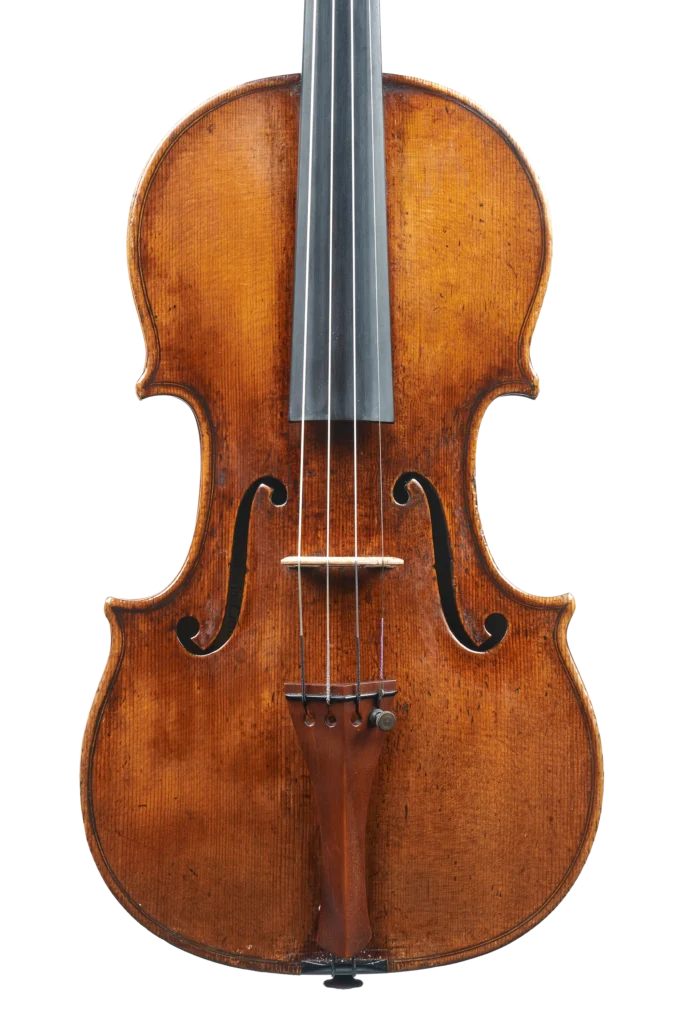
Violin by Antonio Stradivari "Lam; Ex-Scotland University"
Antonio Stradivari — c.1734
View Instrument