The Best Violin Makers of All Time
The most famous violin makers in history are remembered not simply for the beauty or value of their instruments, but for the way their work changed the violin itself. From Andrea Amati’s early Cremonese models to the distinctive instruments of Antonio Stradivari and the Guarneri family, these makers established approaches to design and craftsmanship that remain influential centuries later.
There is no definitive ranking of the “best” violin makers: musicians, historians, and collectors weigh different qualities. The five figures below represent an intentionally focused selection, chosen for their pivotal role in the development and lasting legacy of the Cremonese tradition.
The Most Famous Violin Makers in History
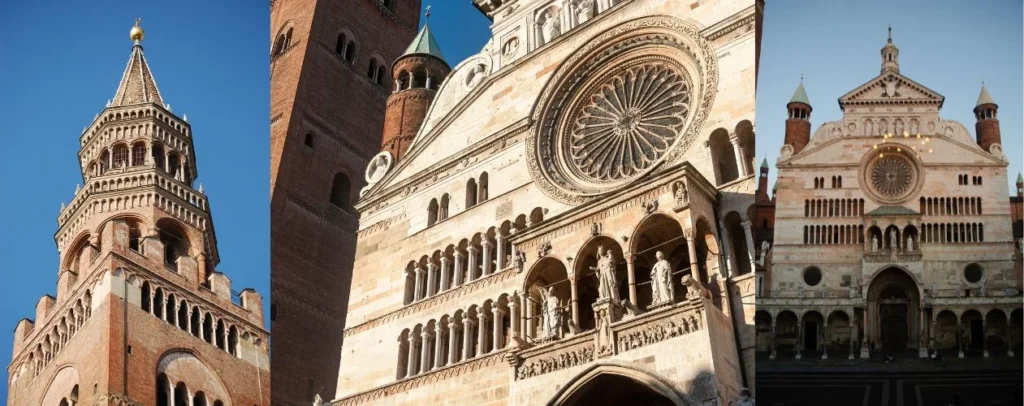
Andrea Amati: The Foundations of Cremonese Violin Making
Andrea Amati (c. 1505–1577) occupies a foundational place in the history of the modern violin. Working in Cremona during the sixteenth century, he helped establish the proportions and construction principles associated with the violin family. His workshop gave rise to a multigenerational tradition that made Cremona synonymous with exceptional stringed instruments.
Among his surviving instruments are violins associated with the French court of Charles IX. The Ashmolean Museum in Oxford holds a violin dated 1564, identified as the earliest dated example in its collection. Other early Amati instruments survive in major collections, though the dating and attribution of sixteenth-century pieces require meticulous scholarly care.
Amati’s importance extends beyond any single surviving violin. Through the Amati workshop and later generations, especially Nicolò Amati, his ideas shaped the makers who would define the Cremonese golden age. The Amati family's craftsmanship and heritage offer further insight into this tradition and its lasting influence. For broader historical context, explore the history of violin makers in Cremona.
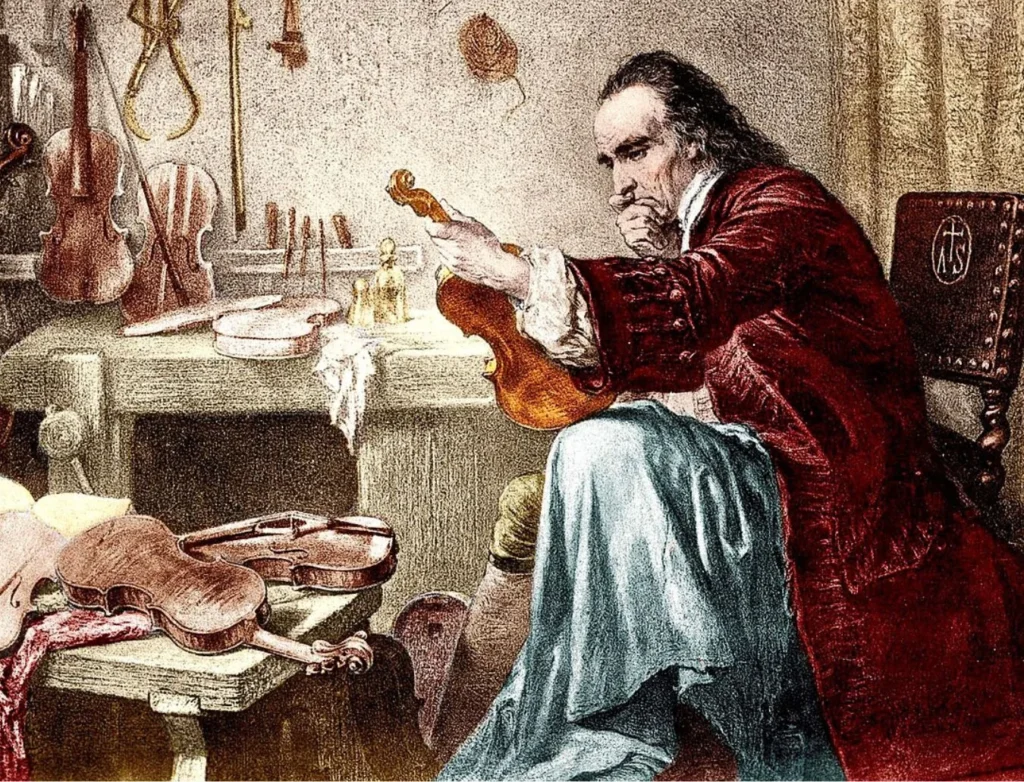
Antonio Stradivari: Master Violin Maker of Cremona
Antonio Stradivari (1644–1737) is among the most famous violin makers of all time. During a long career in Cremona, he developed highly recognizable models and produced violins, violas, and cellos that became reference points for generations of instrument makers.
His work is admired for the precision of its outlines, the relationship between arching and proportion, the execution of the scroll and soundholes, and the visual coherence of the finished instrument. These qualities are examined in greater detail in our exploration of the characteristics of Stradivarius violins. Stradivari refined his methods over time; his instruments are not identical, and individual examples differ in construction, condition, and playing character.
Many celebrated soloists have chosen Stradivari instruments, while modern makers continue to study their geometry and craftsmanship. Their stature also reflects history, provenance, conservation, and the musical lives of particular instruments. No single tonal description can fairly encompass every Stradivari violin.
Andrea Guarneri: Pioneering a Family Tradition
Andrea Guarneri (c. 1623–1698) trained in the Cremonese environment associated with Nicolò Amati and established a workshop that became the foundation of another influential violin-making dynasty. His work maintained important features of the Amati tradition while showing an individual approach to shape, execution, and proportion.
Andrea crafted violins, violas, and cellos. His historical significance also rests on the next generations: members of the Guarneri family pursued different paths across Italian cities, expanding a legacy that cannot be reduced to a single house style. Understanding Andrea’s role helps explain the family connections behind several instruments now prized by musicians and collectors.
Giuseppe Guarneri filius Andrea: Continuing a Legacy of Craftsmanship
Giuseppe Guarneri (1666–1739/40), conventionally called “filius Andreae” (“son of Andrea”), carried forward his father’s Cremonese workshop. This designation is essential, as several members of the Guarneri family shared the name Giuseppe, most famously his son, the maker later known as Guarneri del Gesù.
His surviving work shows craftsmanship rooted in the family tradition, alongside developments of his own. He is principally known for his violins and a small number of cellos. Although his reputation is sometimes overshadowed by that of his son, Giuseppe filius Andrea represents a vital link between Andrea’s workshop and the extraordinary achievements of the next generation.
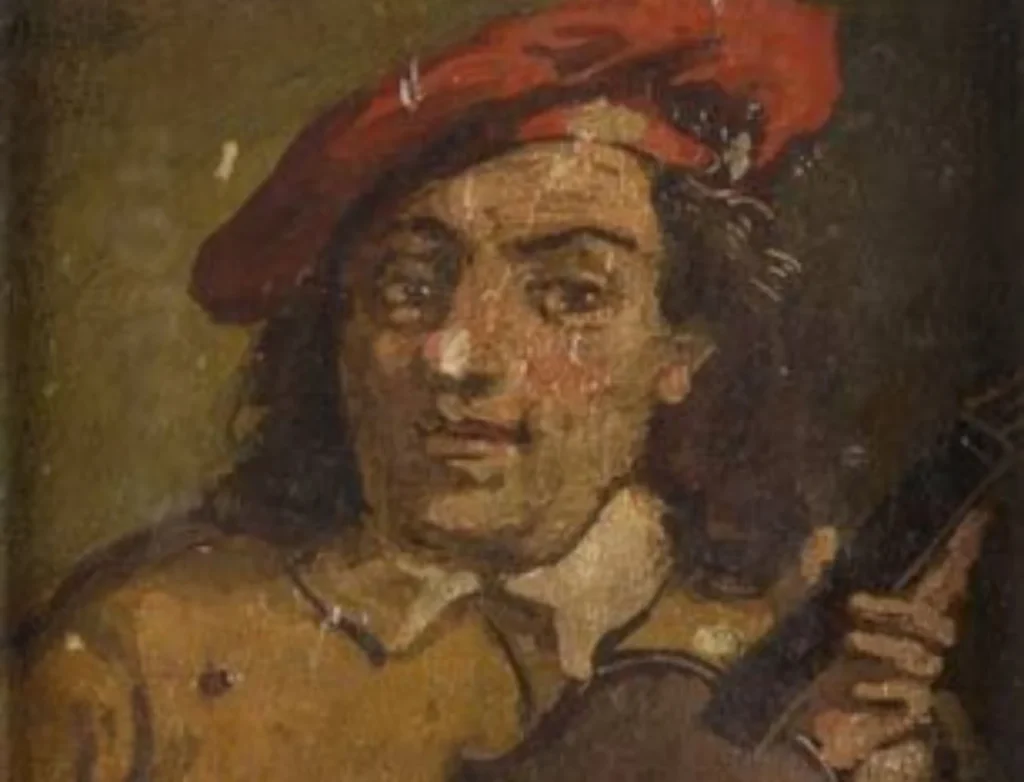
Guarneri del Gesù: The Enigma of Tone
Bartolomeo Giuseppe Guarneri (1698–1744), known as Guarneri del Gesù, created some of the most distinctive violins of eighteenth-century Cremona. The name “del Gesù” refers to the IHS Christogram appearing on his labels. He was the son of Giuseppe filius Andrea and the grandson of Andrea Guarneri.
Compared with the highly regular finish associated with many Stradivari instruments, del Gesù’s work displays freer outlines, individual soundhole shapes, and expressive toolwork. These features vary across his career and are part of the reason his violins continue to invite close study. Players often speak of their depth, intensity, and responsiveness, though the sound of an individual instrument depends on far more than the maker’s name alone.
His legacy extends from celebrated historic instruments to the practice of today’s violin makers, who continue to examine his methods rather than merely reproduce a familiar silhouette. Read more about the legacy of Guarneri del Gesù.
What Makes a Violin Maker Historically Important?
Historical importance is not the same as a universal judgment of sound. Makers earn enduring recognition through a combination of innovation, workmanship, influence on later workshops, and the documented lives of surviving instruments. Their instruments must also be understood individually: construction, subsequent alterations, restoration, provenance, and a musician’s preferences all shape how an instrument is assessed today.
The five makers in this selection belong to one influential Cremonese lineage, rather than an exhaustive account of violin making across Europe. Other major figures and regional traditions deserve their own dedicated consideration.
The Legacy of the Great Masters in Violin Making Today
Contemporary violin making remains deeply connected to historic instruments, but it is not confined to copying them. Today’s makers study classical outlines, arching, materials, and working methods while making critical decisions for the needs of individual musicians. A successful modern violin must ultimately stand on its own merits as a responsive musical instrument.
For a closer look at the artisans working in the present day, see our separate article on contemporary violin makers.
A Legacy of Craftsmanship and Artistry
From Andrea Amati’s early workshop to the instruments of Stradivari and the Guarneri family, the history of these famous violin makers is also a history of ideas passed forward and transformed. Their influence can be seen in the forms modern luthiers study, the questions musicians ask of their instruments, and the care with which historic examples are preserved.
At Amorim Fine Violins in Cremona, this history is part of the living context of violin making and the appreciation of fine stringed instruments. The most meaningful way to approach a great maker is with both admiration for the tradition and close attention to the unique qualities of each instrument.
Explore the Legacy of Violin Makers
Discover further historical and contemporary makers in the Amorim Fine Violins violin makers archive, with profiles and instruments that connect the craft’s rich past with its vibrant present
Talk to a specialist about this topic

Featured Instrument
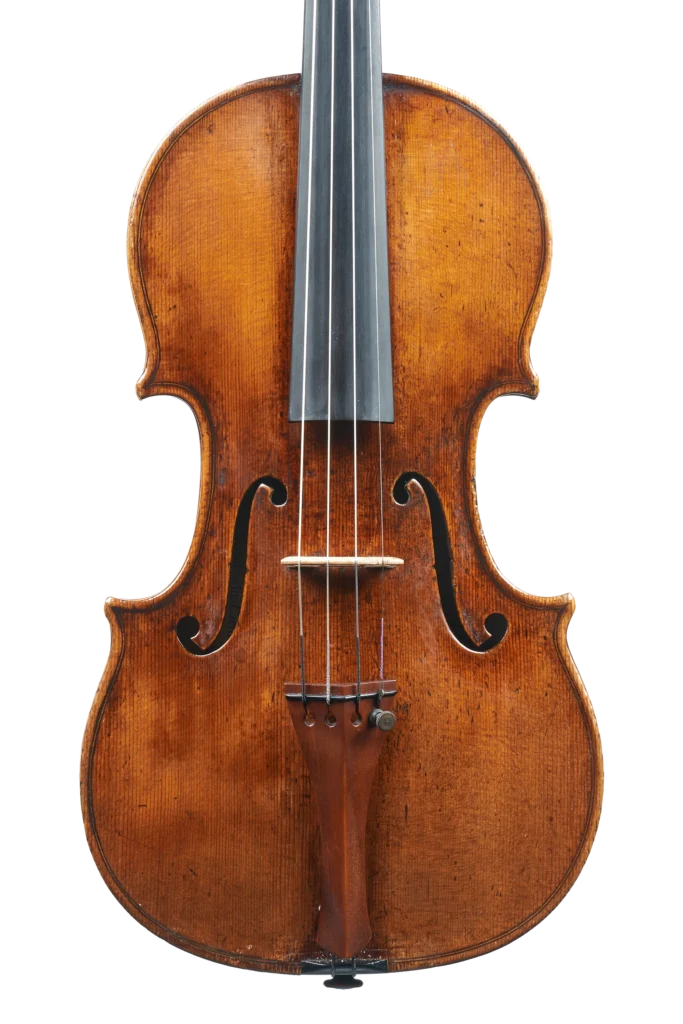 AVAILABLE
Violin by Antonio Stradivari "Lam; Ex-Scotland University"
Antonio Stradivari — c.1734
View Instrument