An In-Depth Guide on The Violin Family
The Violin family consists of musical instruments that closely resemble the violin, but when it comes to the music they play, it's very different. Much like family members of the same family, they might resemble each other in looks, but their personalities are poles apart. The violin family includes musical instruments like violin, viola, cello, and double bass. These instruments are used in all types of music, from classical to jazz—you name it!
4 Popular Violin-Related Instruments
Keep on reading to know everything about the string family instruments!
Violin
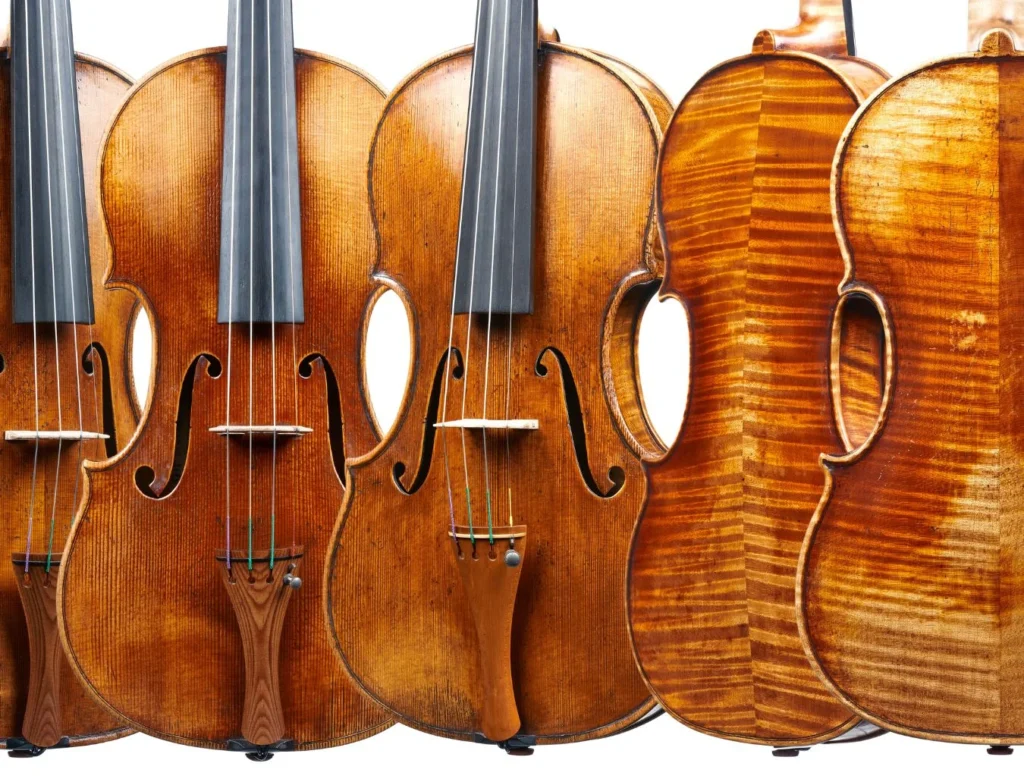
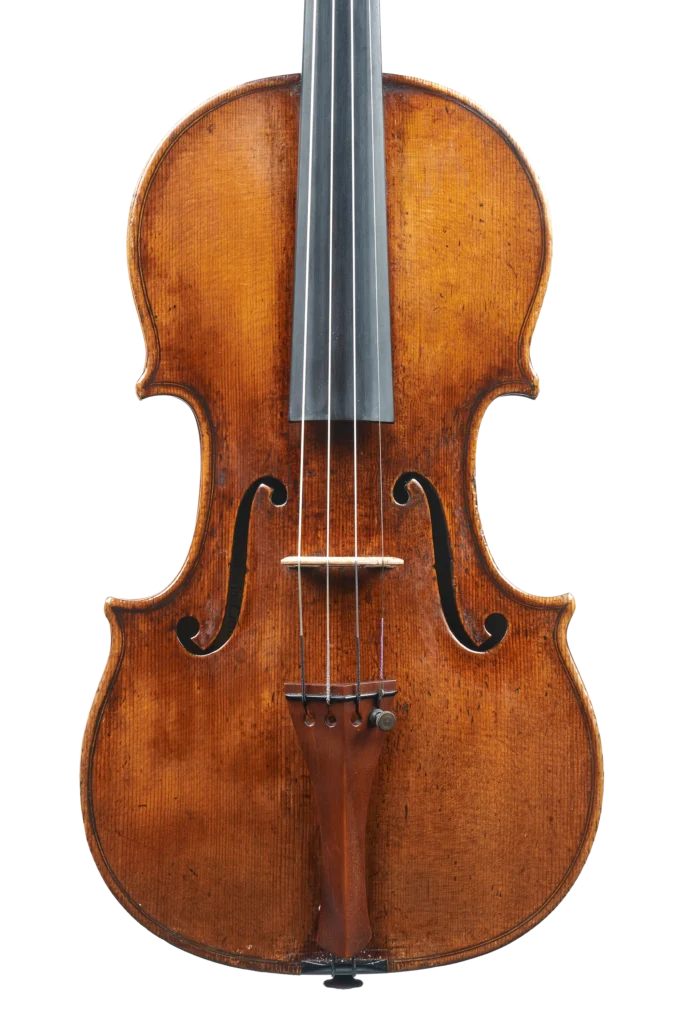
It is the smallest member of the violin family, often considered the 'baby' of the group. While babies are notorious for making a lot of noise, violins are famous for creating melodies. A violin has four strings of gut, steel, or synthetic materials, typically tuned to G, D, A, and E. Like other violin family members, the violin comprises different kinds of woods, usually maple and spruce.
The violin is played by one hand drawing a bow across the strings. But many also use a technique called pizzicato, where you pluck the strings with your fingers to form a tune. The other hand presses onto the fingerboard to create different notes. The violin is an essential symphony orchestra member thanks to its crucial role in classical music. They are also used in solo performances, string quartets, and chamber music. In the form of a fiddle, the violin has been an integral part of folk music, especially in country and bluegrass music. It has a historical role in folk music in various cultures in America, Ireland, and Scotland. Violins have found their way in jazz and pop music despite having a classical origin. Its unique, high-pitched sound adds a distinctive and one-of-a-kind touch and texture to pop and jazz music.
Viola
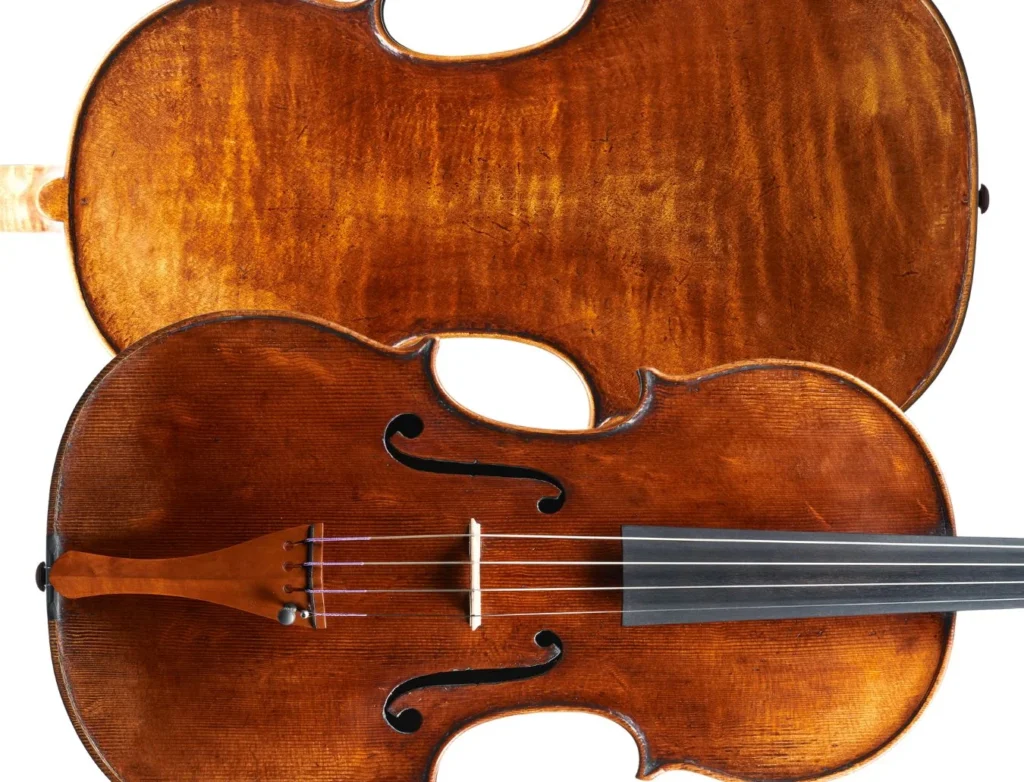
Think of the viola as an overshadowed sibling of the violin family. It's not as well known, well used, or well talked about as the violin or cello, but its rich, warm sound offers a melody like no other. While the violin boasts a high-pitched, substantial sound, the viola has a ranged, warmer, and deeper sound compared to the violin. It has four strings, usually tuned to C, G, D, and A, with the C string being the lowest pitch.
The viola is played similarly to the violin and placed between the chin and shoulder. The left-hand presses on the strings to change the pitch, while the right hand is responsible for drawing the bow across the strings or plucking them with the fingers (pizzicato). Since the viola is larger than the violin, it has a slightly different technique and hand positioning. The viola has thicker strings. Hence, the bow pressing down on the viola is heavier, providing greater pressure. The violas are not as famous as the violins. They were not widely known in the music industry until the Romantic era, which was in the late 18th century. However, it was music composers like BélaBartók, Max Bruch, and Arnold Bax who used viola in their compositions, but that was in the 20th century. Traditionally, violas were given boring parts, such as filling up the harmonies between the expressive cello and violin parts. However, it does have a role in many musical compositions such as Celtic, jazz, bluegrass country, pop, rock, and folk. It plays a crucial role in orchestras and chamber music, providing inner harmonies.
Cello
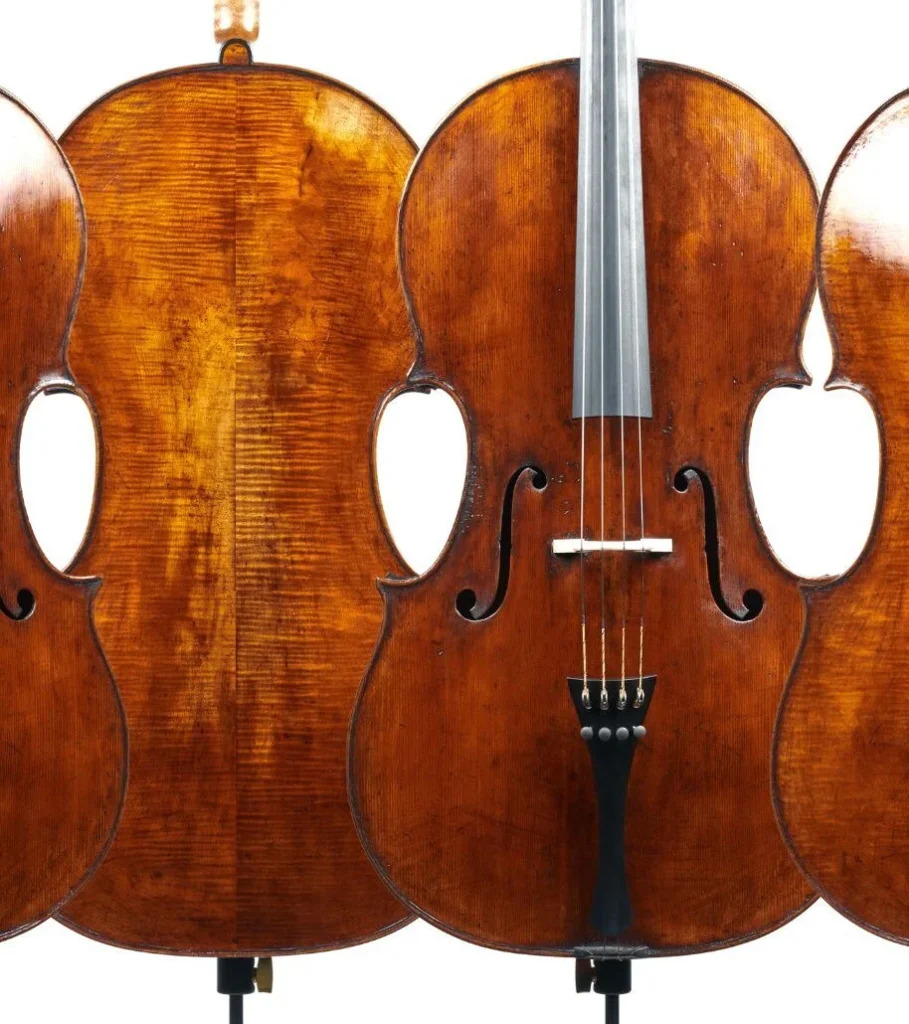
The cello has to be the most likable and the least formidable member of the string family, thanks to its melody, which sounds the most similar to the human voice compared to all other violin family instruments. The rich, resonant sound and wide range of musical expressions of the cello make it versatile, while its deep, warm tones make it a favorite in various musical genres.
The cello typically uses the bass clef but can also play the alto and treble clef under certain conditions. Like the viola, it has four strings tuned to C, G, D, and A. This instrument is smaller than the double bass but bigger than the violin and the viola. You must sit on a chair and place the instrument between the knees while the endpin rests on the floor. The cello is also played with the right hand with a drawing bow or by plucking the string with fingers (pizzicato.) The left-hand presses the strings down onto the fingerboard to create different notes. The cello has always been a staple musical instrument in conventional orchestras. It is always included in the string quartet of the composition and gives a bass effect to the rhythm. Its deep grounding sound is also enjoyed in folk music. However, the cello has a close association with European classical music.
Double Bass
Here comes the largest member of the violin family. The double bass is quite formidable due to its 6-foot-long stature. The double bass is the most unique instrument compared to the violin, viola, and cello. It has a low-pitched, deep, resonant sound and usually provides the base melody in many musical genres. Like other violin family members, the double bass is played with the right hand while the left-hand presses on the strings. Owing to its height, it is played by sitting on a tall stool or standing up. The double bass stands on the ground while resting on the left shoulder. The double pass is vital in symphonic orchestras, chamber music, pop, rock, and experimental music, where it is well-loved for its deep and resonant tones.
Violin-making is an art that not everybody can master. Each member of the violin family is unique in its particular way, which makes it stand out. Check out state-of-the-art violins, violas, and cellos at Amorim Fine Violins to excel in your musical career.
Talk to a specialist about this topic

Featured Instrument
 AVAILABLE
Violin by Antonio Stradivari "Lam; Ex-Scotland University"
Antonio Stradivari — c.1734
View Instrument