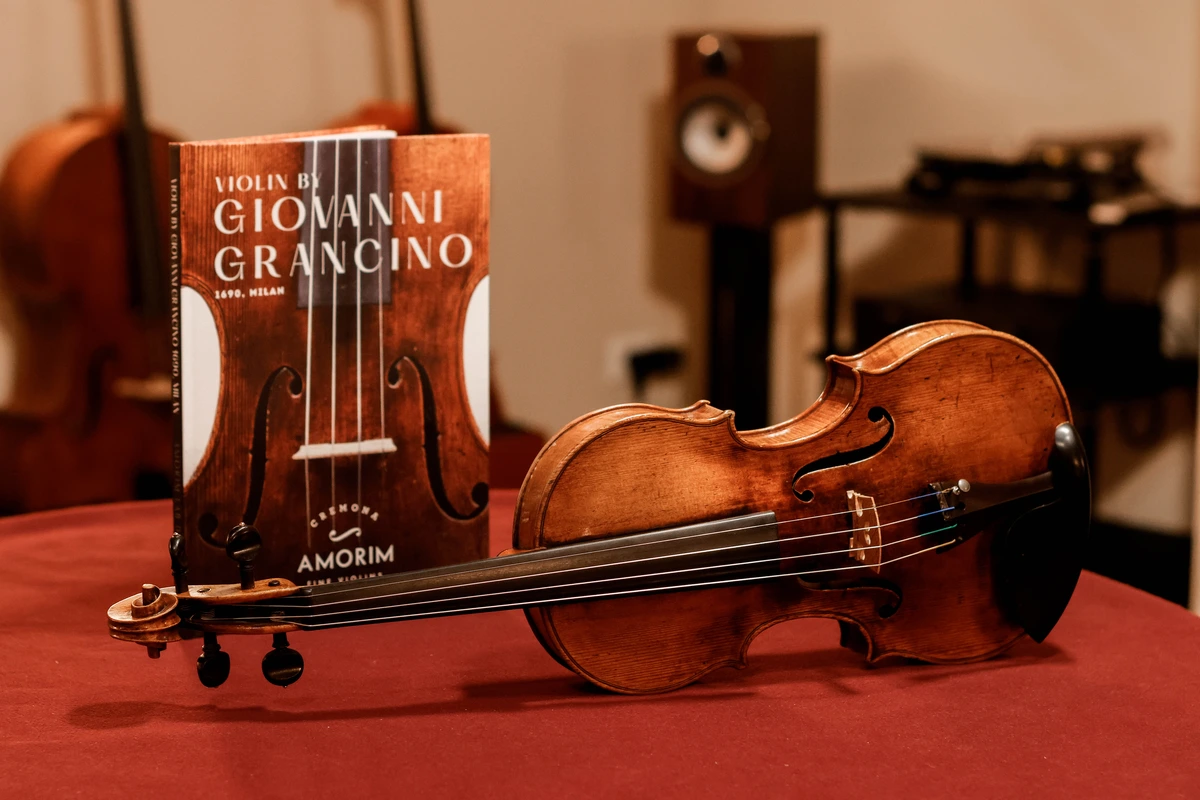
Violin valuation is a topic that interests musicians, collectors, and investors alike. Whether you inherited an old violin, are thinking about buying one, or already own a valuable instrument, understanding how violins are valued can help you make better financial and artistic decisions. Unlike mass-produced instruments, violins often gain value over time, especially when they are well maintained and have a documented history. In this article, we’ll explore the key factors that determine a violin’s value, how to get a professional valuation, how to recognize if an old violin may be valuable, and essential tips for maintaining a violin to preserve its worth.
Key Violin Valuation Factors
Violin valuation depends on a combination of craftsmanship, history, and condition. No single factor determines the price; instead, experts evaluate several elements together. One of the most important factors is the maker. Violins crafted by renowned luthiers or from respected workshops are generally more valuable. Italian violins, especially those from Cremona, are historically prized, but fine instruments from France, Germany, and modern makers can also command high prices. Age plays a role, but older does not always mean more valuable. A well-preserved 18th-century violin may be worth significantly more than a poorly made or heavily damaged antique instrument. Materials and craftsmanship are also crucial. High-quality tonewoods, precise construction, and refined varnish techniques increase both sound quality and market value. Another key element is condition. Cracks, repairs, or replaced parts can reduce value, depending on their severity and quality. Professionally restored violins may still be valuable, but originality is always preferred. Finally, sound quality matters greatly, especially for musicians. A violin with excellent projection, balance, and tonal richness can be worth more than a visually perfect instrument with poor sound.
How to Get a Valuation?
If you’re wondering “How much is my violin worth?”, the most reliable answer comes from a professional violin valuation. The best option is to consult a certified luthier, violin appraiser, or reputable auction house. These experts have the experience to evaluate authenticity, craftsmanship, and market demand. Many offer written appraisal certificates, which are useful for insurance, resale, or estate planning. Avoid relying solely on online price comparisons or labels inside the violin. Labels are often misleading or copied, and online estimates rarely account for condition and sound quality. For high-value instruments, it’s recommended to seek more than one appraisal, especially if you plan to sell or insure the violin. Market trends can change, and different experts may provide slightly different valuations.
How to Tell If an Old Violin Is Valuable
Many people discover old violins in attics or family collections and wonder if they own a hidden treasure. While not every antique violin is valuable, there are several signs that may indicate potential worth. One of the first aspects to examine is craftsmanship. Look closely at details such as the carving of the scroll, the quality and texture of the varnish, and the overall symmetry of the instrument. Handcrafted violins often display subtle irregularities that distinguish them from factory-made models, which tend to look overly uniform. Labels and inscriptions can offer useful clues, but they should always be treated with caution. A famous name inside the violin does not guarantee authenticity, as labels are frequently copied or added later. However, an original or historically consistent label may justify further investigation by a specialist. The quality of the wood and natural aging patterns also matter. Valuable old violins are typically made from well-selected tonewood that shows fine grain, even wear, and a natural patina rather than excessive damage or artificial aging. Another key indicator is sound quality. If the violin produces a rich, balanced, and resonant tone, it may have both musical and market value, even if the maker is not widely known. Finally, certification is crucial when determining true value. A violin accompanied by an authentication certificate or appraisal report from a recognized luthier, expert, or auction house carries significantly more credibility in the market. Certification confirms the instrument’s origin, maker (when possible), and condition, and is often essential for insurance, resale, or investment purposes. Ultimately, only a professional appraisal with proper documentation can confirm whether an old violin is truly valuable.
Tips on Maintaining a Violin
Proper maintenance is essential not only for playability but also for preserving a violin’s value over time. Poor care can significantly reduce an instrument’s worth. Keep your violin in a stable environment, avoiding extreme temperatures and humidity changes. Using a case humidifier can help protect the wood from cracking or warping. Regular cleaning is also important. Gently wipe the instrument after playing to remove rosin buildup, but avoid using household cleaners or alcohol, as these can damage the varnish. Have your violin checked periodically by a luthier, even if it seems fine. Small issues, such as open seams or bridge misalignment, are easier and cheaper to fix when caught early. Finally, always store your violin in a quality case and handle it with care. Proper maintenance not only protects the instrument but also supports its long-term value as an asset.
Are Violins a Good Investment?
Violins are increasingly recognized as alternative investments. High-quality instruments, especially those by established makers, have shown steady value appreciation over time. Unlike traditional investments, violins offer both financial and cultural value. They can be played, enjoyed, and even generate income through performances or rentals while appreciating in price. However, investing in violins requires knowledge, patience, and professional guidance. Maintenance costs, insurance, and market fluctuations should all be considered before purchasing a violin purely as an investment.
Buy you Next Instrument with Amorim Fine Violins
Understanding violin valuation is essential to protecting your instrument, making confident buying or selling decisions, and recognizing its potential as a long-term investment. By understanding what influences a violin’s value, how professional appraisals work, how to identify a potentially valuable old violin, and how proper maintenance preserves its condition, you ensure that your instrument remains both musically and financially rewarding over time. When questions about authenticity, value, or condition arise, working with experienced professionals makes all the difference. At Amorim Fine Violins, expert guidance, careful evaluation, and deep knowledge of fine instruments help violin owners gain clarity and confidence about their violins’ true worth: making professional consultation the ideal first step in any valuation journey.
Talk to a specialist about this topic

Featured Instrument
 AVAILABLE
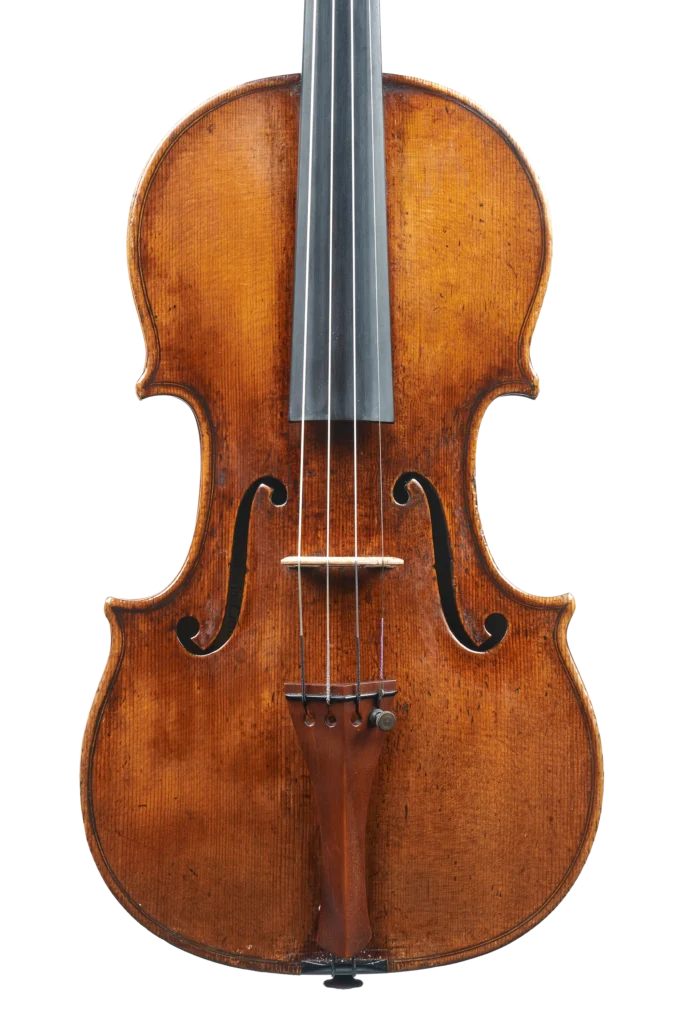
Violin by Antonio Stradivari "Lam; Ex-Scotland University"
Antonio Stradivari — c.1734
View Instrument