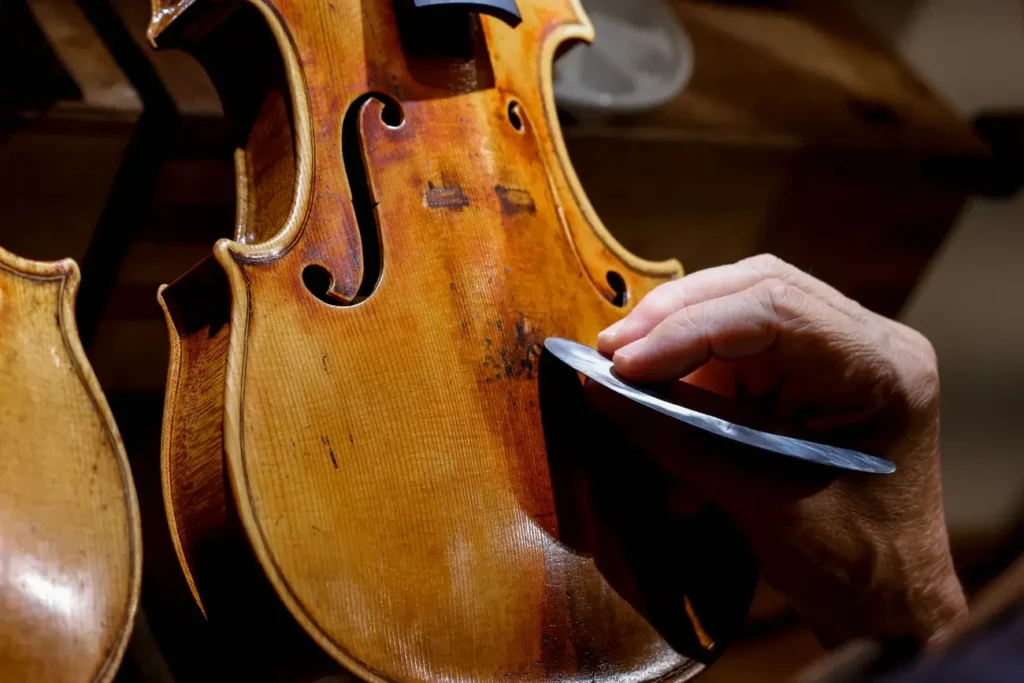
Investing isn’t only about stocks, real estate, or gold. For centuries, collectors and musicians alike have turned their attention to fine musical instruments, especially violins, as an alternative investment. These instruments carry beauty, history, and craftsmanship, but can they also deliver financial returns? In this article, you will understand why a violin can be a good investment and some risks you should be aware of before you start building your portfolio.
Predictions for Violin Invesment
Experts in rare instruments suggest that fine violins, especially those crafted by renowned makers, have shown steady and sometimes impressive value growth over time. For example, auction data reveals that instruments by makers like Antonio Stradivari and other master luthiers have appreciated annually by around 9.7% or more between 2010 and 2022, with some lesser-known makers posting even higher rates of annual appreciation. Historical studies also show that fine stringed instruments have appreciated consistently over multiple decades, often increasing in value by 3.7 -- 6.9% per year and even up to 12% for top-tier instruments, with minimal volatility compared with traditional financial markets. Additionally, the global violin market as a whole is expanding, with projected market growth from around US$396 million in 2025 to about US$691 million by 2035, signaling rising demand and broader market interest in violins. Because these instruments are limited in number, historically valued, and highly sought after by musicians and collectors, demand often outpaces supply, and historical trends point to continued interest and appreciation in quality string instruments as alternative tangible assets.
Pros of Investing in a Fine Violin
Investing in a fine violin offers more than just financial potential. These instruments combine craftsmanship, history, scarcity, and cultural value, making them a unique alternative asset. Below, we explore the main advantages that attract collectors and investors to this specialized market.
Return on Investment
One of the primary motivations for investing in a fine violin is its long-term return potential. Unlike speculative assets that rely heavily on short-term market trends, fine violins derive their value from craftsmanship, historical relevance, provenance, and scarcity — factors that tend to strengthen over time rather than weaken. Instruments crafted by legendary luthiers such as Antonio Stradivari or Giuseppe Guarneri have reached multi-million-dollar prices at international auctions, reflecting not only their artistic excellence but also their status as irreplaceable cultural artifacts. These record-breaking sales demonstrate how master instruments can dramatically outperform their original valuations, sometimes appreciating several times over across generations. However, investment opportunities are not limited to the most famous names. High-quality violins made by respected but less publicized makers, particularly from established European schools.
Profitable Appreciation
Unlike many financial assets that can fluctuate daily, fine violins tend to increase in value gradually and consistently. Their worth is often tied to rarity, condition, and historical significance. As fewer instruments from certain eras remain in excellent condition, the value of the ones that do can rise steadily.
Tangible Asset
A violin is a tangible asset with intrinsic qualities: beauty, craftsmanship, and sound. Unlike digital investments or stocks, it is not merely a line on a financial statement, it is an object you can hold, hear, study, and display. Beyond its financial potential, a fine violin is also useful: it is a living instrument designed to be played, performed with, and experienced. This functional dimension sets violins apart from many other luxury investments. While paintings or collectibles are primarily visual, a violin generates cultural and artistic value through sound. It can be loaned to professional musicians, featured in concerts, or used in recordings, maintaining both its relevance and visibility within the musical world. For many investors, this combination of utility, artistry, and physical presence adds psychological, cultural, and aesthetic value that traditional financial assets simply cannot offer.
Scarcity and Rarity
High-quality violins are not mass-produced. Many of the most valuable ones were handmade centuries ago. Because they are limited in number, they often become more valuable as time goes on. This scarcity is one reason why collectors and museums compete to acquire them.
Emotional Value
The emotional value of a fine violin is often shaped by who created it, who played it, and the historical moment it represents. An instrument crafted by a master luthier carries the legacy of an entire school of craftsmanship. If it has been performed by renowned musicians or featured in significant cultural periods, its symbolic weight becomes even stronger. These layers of provenance and historical context transform the violin into more than a financial asset; they turn it into a cultural artifact connected to specific eras, artistic movements, and human stories. This emotional and symbolic dimension does not replace financial value, it enhances it. The combination of artistry, heritage, and lived musical history can make the investment feel not only strategic, but meaningful and timeless.
Support Art, History and Heritage
By investing in fine violins, buyers contribute to preserving cultural heritage. Many instruments have centuries-old histories tied to important musicians and artistic movements. Collectors often see themselves as guardians of history, ensuring these instruments remain playable and preserved for future generations.
Risks and What to Take Into Consideration Before Investing in a Violin
While fine violins can offer attractive long-term appreciation, they are not risk-free assets. Like any alternative investment, they require careful evaluation, proper management, and a clear understanding of the market. Before purchasing a violin as an investment, it is essential to consider the following factors.
Maintenance
Fine violins are delicate instruments made of aged wood that is highly sensitive to environmental conditions. Changes in temperature and humidity can cause cracks, warping, or structural damage, directly affecting the instrument’s value. Proper storage, climate control, insurance, and regular inspections by a qualified luthier are necessary to preserve both sound quality and market price. Maintenance costs can accumulate over time, including restoration work, string replacement, setup adjustments, and professional evaluations. If a violin is not properly maintained, its condition can deteriorate, significantly reducing its resale value. For this reason, maintenance should be viewed not as an optional expense, but as a fundamental part of protecting the investment. Expertise Valuing violins requires specialized knowledge. Unlike gold or stocks, whose prices are publicly tracked, violin valuations depend on expert appraisals, history, maker, condition, and provenance. Without expertise, it’s easy to overpay or misjudge an instrument’s value.
Initial Cost
High-quality violins can be expensive to acquire. Instruments by famous makers can cost hundreds of thousands or even millions of dollars. While there are more affordable options, significant investment is usually required to purchase instruments with strong appreciation potential.
Long-Term Investment
Unlike stocks or real estate that can be traded easily, violins are long-term assets. Appreciation may take years or decades. If you need quick returns, violins may not be the best choice. Patience is a key part of this investment strategy.
Very Specialized Niche
The market for fine violins is niche and less liquid than traditional investments. Selling a violin at the right price can take time and expert connections. It’s important to work with reputable dealers and auction houses to ensure proper valuation and sale.
After All, Are Violins a Good Investment?
So can violins be a good investment? The answer is yes. However, with some conditions. High-quality violins can appreciate over time, provide a tangible and emotionally rewarding asset, and help preserve cultural heritage. However, they require expertise, maintenance, and a long-term perspective. If you enjoy music and culture and are willing to learn about the market or work with knowledgeable experts, investing in violins can be both financially and personally rewarding.
Find the Next Acquisition for Your Portfolio
Investing in fine violins is more than a financial decision ,it is a strategic move into a market built on craftsmanship, scarcity, and cultural legacy. While this niche requires knowledge, patience, and proper care, it has consistently demonstrated resilience and long-term appreciation. For investors seeking diversification beyond traditional assets, fine instruments offer a rare combination of stability, beauty, and historical significance. The key to making a smart acquisition lies in working with trusted experts who understand authenticity, provenance, valuation, and market trends. With the right guidance, your investment can become both a valuable financial asset and a meaningful piece of musical heritage. If you are ready to explore opportunities in this unique market, Amorim Fine Violins offers curated instruments, expert advice, and personalized support to help you find the ideal addition to your portfolio. Discover exceptional violins, backed by expertise and tradition, and take the next step toward a refined and strategic investment. Your next great acquisition starts with the right instrument, and the right partner.
Talk to a specialist about this topic

Featured Instrument
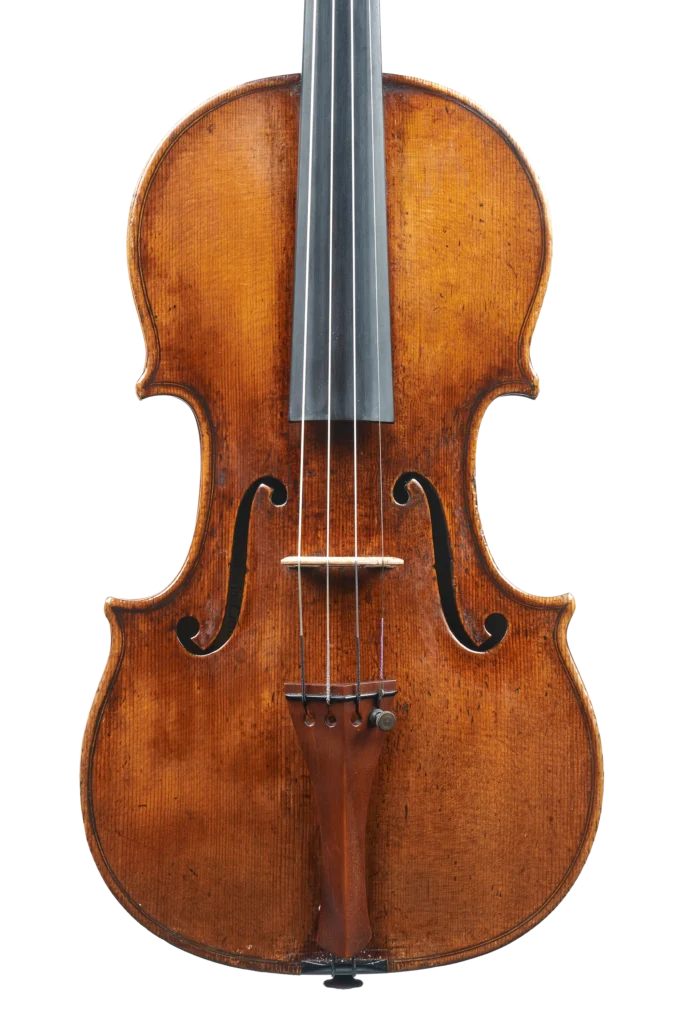 AVAILABLE
Violin by Antonio Stradivari "Lam; Ex-Scotland University"
Antonio Stradivari — c.1734
View Instrument