Collecting musical instruments is both an art and a discipline. It requires patience, careful research, attention to detail, and a solid understanding of history and craftsmanship. For this reason, not everyone truly knows how much an old violin is worth. Unlike modern consumer goods, violins do not have fixed prices or simple depreciation rules. Their value is shaped by centuries of tradition, artistry, and cultural significance. The world of violin investment sits at the intersection of music, history, and finance. Old violins are not just tools for performance. They are cultural artifacts, financial assets, and emotional objects that carry stories from past generations. If you are new to the world of violin collecting or considering buying an old instrument, understanding how value is determined is essential. With the right knowledge, you can make informed decisions, avoid common pitfalls, and appreciate why some violins are worth modest sums while others reach astonishing prices at auctions.
Are old violins worth any money: An understanding of the market
Old violins can be worth anything from a few hundred dollars to several million, depending on a wide range of factors. The market for antique violins is highly specialized and operates very differently from typical retail markets. Values are influenced by craftsmanship, maker reputation, age, condition, provenance, and cultural importance. Unlike mass produced instruments, old violins were handmade by luthiers whose techniques were often passed down through generations. Instruments crafted in renowned violin making centers such as Cremona, Naples, or Mittenwald tend to hold higher value due to their historical importance and consistent quality. The most famous makers, including Antonio Stradivari, Giuseppe Guarneri del Gesù, and the Amati family, dominate the top tier of the market. On the other hand, violin investment offers not only financial appreciation but also cultural and emotional returns. Many investors choose violins because they can be played, exhibited, or loaned to musicians, adding a living dimension to ownership that traditional investments lack. The market itself is relatively stable compared to other collectible categories. While prices can fluctuate, high quality old violins have historically shown resilience during economic downturns. This stability, combined with scarcity, makes them attractive to serious collectors. However, entry into this market requires expert guidance, as misattributions and condition issues can significantly affect value.
Some examples of old violins sold in millions:
- Albert Einstein’s violin “Lina”: As reported by ZME Science, this historic violin, once hidden from the Nazis, sold for over one million dollars. Its high value was driven not only by its age and craftsmanship, but also by its powerful association with Albert Einstein, one of the most influential figures in modern history.
- Stradivarius violin from the New England Conservatory: According to WCVB, this Stradivarius became one of the most expensive musical instruments ever sold at auction. The exceptional price reflects the maker’s unmatched reputation, rare availability, and legendary tonal quality that continue to define the top of the violin market.
- Fratelli Gagliano violin sale: This notable sale involved an instrument crafted by the Fratelli Gagliano, a respected family of Neapolitan luthiers. Although less universally known than Stradivari, Gagliano violins are highly valued by collectors and professional musicians, proving that extraordinary worth is not limited to a single legendary name.
These examples clearly demonstrate how craftsmanship, historical significance, and provenance can align to elevate old violins to extraordinary market values.
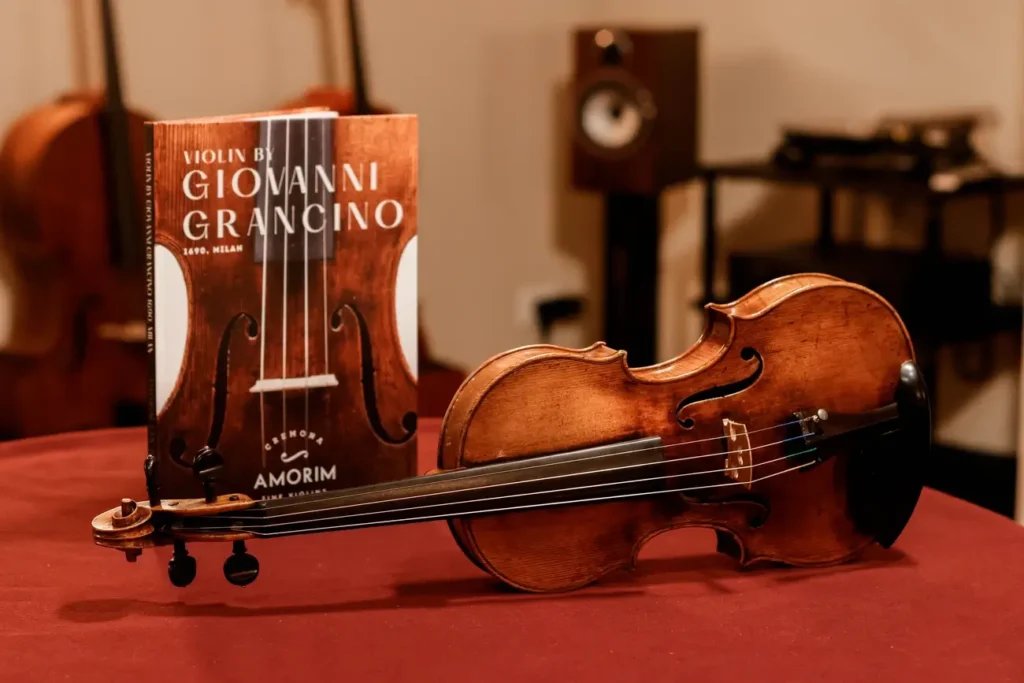
Factor the influence the worth of and old violin
Determining how much an old violin is worth involves analyzing several interconnected elements. No single factor tells the whole story, and experts often assess instruments holistically to arrive at a fair valuation.
Provenance
Provenance refers to the documented history of an instrument’s ownership. A well documented provenance can significantly increase an old violin’s value. Instruments that have belonged to famous musicians, composers, or historical figures often command premium prices. At the same time, provenance adds both cultural and emotional weight. Knowing where a violin has been, who played it, and how it was preserved creates a narrative that appeals to collectors and investors. Even lesser known owners can add value if the documentation is clear and continuous, reducing uncertainty and reinforcing authenticity.
Condition
Condition is one of the most critical factors affecting value. Old violins are expected to show signs of age, but excessive damage, poor repairs, or structural issues can dramatically reduce worth. Cracks, replaced parts, or altered dimensions may affect both sound quality and market desirability. That said, professional restoration performed by skilled luthiers can preserve or even enhance value when done correctly. Collectors generally prefer instruments that retain as much original material as possible. An expertly maintained violin with honest wear is often more valuable than one that has been heavily altered.
Historical Relevance
Historical relevance goes beyond age alone. An old violin may be centuries old, but its importance depends on its place within the broader history of violin making and music. Instruments associated with significant schools of lutherie or pivotal periods in musical development tend to be more valuable. Their relevance lies in what they represent about the evolution of sound and craftsmanship. This historical context helps explain why some instruments from lesser known makers still achieve high prices if they embody an important tradition.
Certifications
Certifications are essential in establishing authenticity and value. A certificate from a respected expert or institution confirms the maker, origin, and approximate date of the violin. Without proper certification, even a visually impressive instrument may struggle to achieve its full market value. Trusted dealers and appraisers rely on detailed examinations and historical comparisons to issue certificates. For buyers, these documents provide confidence and protection. For sellers, they make the instrument far more attractive in a competitive market. So, how much is an old violin worth? The answer lies in a powerful combination of craftsmanship, history, condition, and story. When all these factors align, such as a renowned maker, exceptional preservation, authoritative certifications, documented provenance, and ownership by influential musicians, an old violin can reach prices exceeding 20 million euros. Far from being merely aged instruments, these violins are living pieces of cultural heritage with extraordinary financial and artistic value when properly understood.
Get your next old instrument at Amorim Fine Violins
Navigating the old violin market can be complex, especially for those without years of experience. Working with a specialized and reputable dealer makes all the difference. Amorim Fine Violins offers expert guidance, carefully curated instruments, and deep knowledge of the global violin market. Whether you are a collector, investor, or professional musician, access to authenticated instruments and transparent information ensures a safer and more rewarding experience. Amorim Fine Violins combines historical expertise with modern market insight, helping clients find instruments that align with both artistic goals and investment potential. For anyone considering buying or selling an old violin, knowledge is the most valuable asset. By understanding the market, recognizing key value factors, and working with trusted experts, you can approach this fascinating world with confidence. If you are ready to explore exceptional historical instruments, discover the rare collection available at Amorim Fine Violins by visiting their rare instruments page. Your next old violin may be waiting, carrying centuries of music and value into the future.
Talk to a specialist about this topic

Featured Instrument
 AVAILABLE
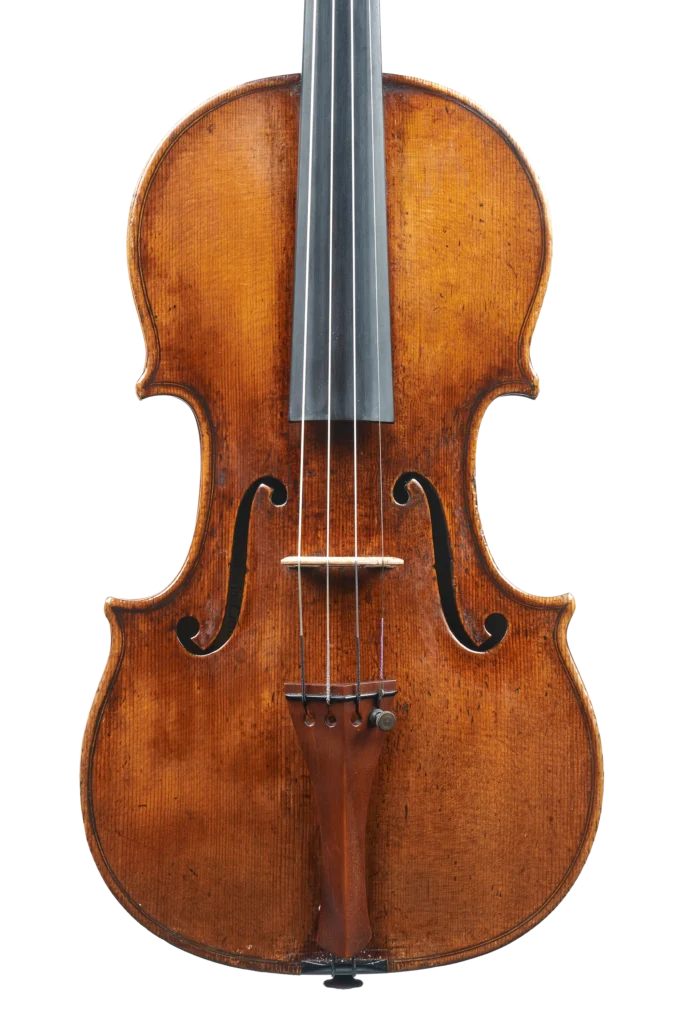
Violin by Antonio Stradivari "Lam; Ex-Scotland University"
Antonio Stradivari — c.1734
View Instrument