Violins are more than musical instruments. They are objects of craftsmanship, cultural heritage, and in many cases, long term assets. This is why many musicians and collectors ask the same question before making a purchase: do violins go up in value over time? The short answer is yes, some violins do appreciate significantly. However, value growth is never automatic. A violin’s ability to increase in worth depends on several interconnected factors, including rarity, condition, artistic merit, and historical context. Understanding these elements is essential if you are considering a violin not only as an instrument, but also as a long term investment.
Factors that make your Violin go Up In Value Over Time:
Not all violins are appreciated equally. While some instruments gain value steadily over decades, others remain stable or even lose market appeal. The following factors play a key role in determining whether a violin is likely to increase in value.
Rarity and Scarcity
Rarity is one of the strongest drivers of appreciation. Violins made by renowned luthiers are inherently scarce, especially when the maker is no longer alive. Unlike contemporary manufacturing, historical violin making was limited in output, and many instruments have been lost or damaged over time. Scarcity creates demand among collectors, musicians, and investors, particularly when combined with strong documentation. The fewer authentic examples available on the market, the higher the potential for long term value growth.
Artistic Value
Artistic value refers to the craftsmanship, design, and aesthetic qualities of a violin. This includes the choice of wood, varnish technique, arching, and overall balance of the instrument. Violins that demonstrate exceptional artistry often stand out even among instruments of similar age. Artistic quality is closely tied to sound. Instruments with a rich, complex tonal character tend to attract professional musicians, which in turn increases market interest. Over time, consistent demand from performers can positively influence value.
Condition and Repair
Condition has a direct impact on appreciation. Violins that have been well preserved and carefully maintained tend to age more favorably in the market. Minor wear is expected and even accepted in older instruments, but structural damage or poor repairs can limit future value growth. That said, professional restoration carried out by experienced luthiers can protect and sometimes enhance an instrument’s long term worth. Transparency about repairs and proper documentation are essential, as buyers value honesty as much as craftsmanship.
Maker and Location
The identity of the maker and the location where the violin was crafted strongly influence appreciation. Instruments from historically important centers such as Cremona, Naples, or Venice are more likely to increase in value due to their association with established violin making traditions. Well documented makers, even if not globally famous, often see steady appreciation as scholarship and market recognition grow. Over time, certain regional schools gain renewed interest, positively affecting prices.
How do I know if my violin is valuable?
Determining whether a violin is valuable requires more than guessing its age or appearance. Many instruments look old without having significant market value, while others may be underestimated due to lack of information. A professional appraisal is the most reliable way to assess value. This process considers the violin’s origin, maker, materials, condition, and historical context. Certificates from recognized experts play a crucial role in confirming authenticity. Understanding how a violin’s age, origin, and appraisal influence its value is essential for anyone assessing an instrument. Accurate evaluations and proper documentation not only define its current worth but also play a key role in preserving and supporting its future appreciation.
Modern Violins and Old Violins Appreciation
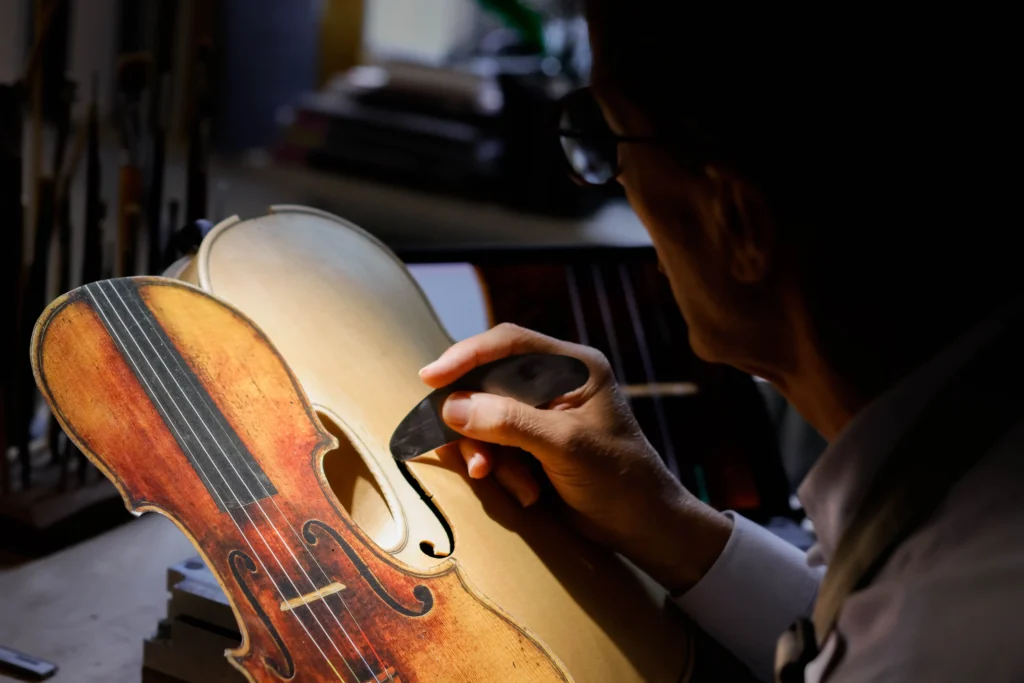
Old violins often dominate conversations about investment, but modern violins should not be overlooked. While antique instruments benefit from historical scarcity, modern violins by highly skilled contemporary makers can also appreciate over time. The key difference lies in the pace and scale of appreciation. Old violins tend to show long term stability and gradual growth, supported by centuries of market validation. Modern violins, on the other hand, may experience value increases as the maker’s reputation grows and demand rises. Also, modern instruments can be an excellent strategic entry point for collectors and musicians. They typically come with lower initial costs, high playability standards, and the opportunity to gain value over time as the maker’s reputation and market recognition grow. In many cases, collectors choose to balance their portfolios with both modern and old violins, combining artistic enjoyment with financial foresight.
Are violins hard to sell?
Violins are not as liquid as stocks or real estate, but they are far from impossible to sell. Marketability depends on quality, documentation, and access to the right audience. Well authenticated instruments from reputable makers tend to attract consistent interest. Selling through specialized dealers, auctions, or trusted luthiers significantly improves outcomes. These channels provide access to knowledgeable buyers who understand the instrument’s value and are willing to pay accordingly. High profile auction results, such as record breaking sales of Stradivarius violins reported by major auction houses like Sotheby’s, show that exceptional instruments remain in strong demand. However, patience is often required, as the right buyer may take time to appear. So, do violins go up in value over time? Many do, especially when rarity, craftsmanship, condition, and historical relevance align. While appreciation is never guaranteed, informed decisions greatly increase the chances of long term growth.
Trust in our expert luthier for getting your next violin
Whether you are buying your first serious instrument or expanding a collection, expert guidance makes all the difference. Working with a trusted luthier ensures that each violin is carefully evaluated, properly documented, and matched to your goals. Amorim Fine Violins combines deep historical knowledge with hands-on expertise, offering instruments that meet both artistic and investment standards. From rare historical pieces to outstanding modern violins, every instrument is selected with long term value in mind. If you are ready to explore instruments with enduring value and cultural significance, discover the curated selection available at Amorim Fine Violins. Visit the rare instruments collection to find a violin that can grow with you, musically and financially.
Talk to a specialist about this topic

Featured Instrument
 AVAILABLE
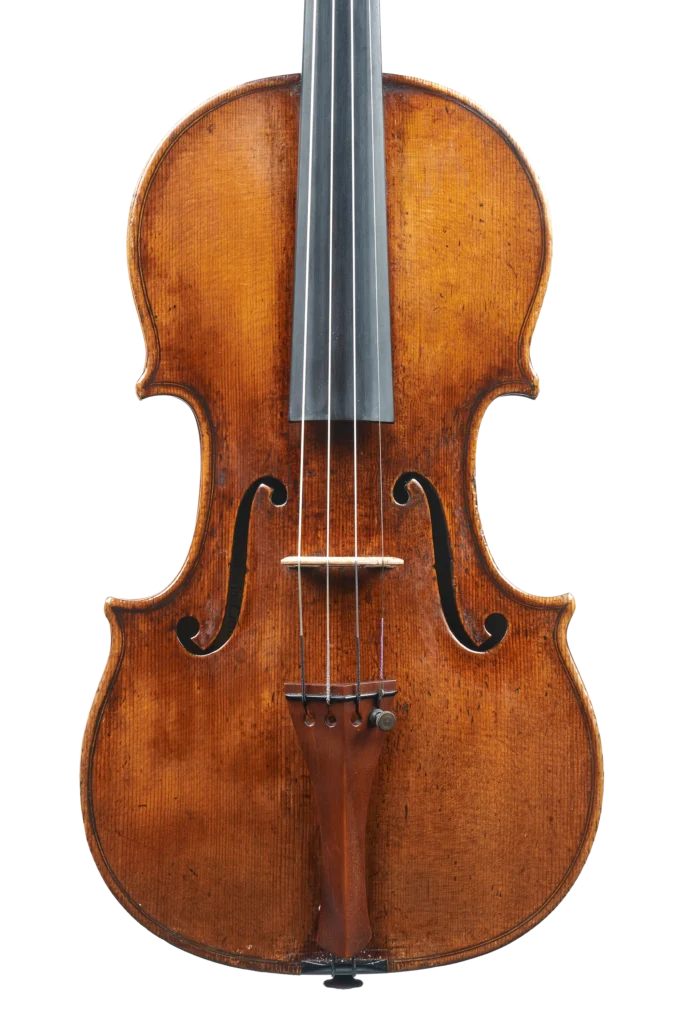
Violin by Antonio Stradivari "Lam; Ex-Scotland University"
Antonio Stradivari — c.1734
View Instrument