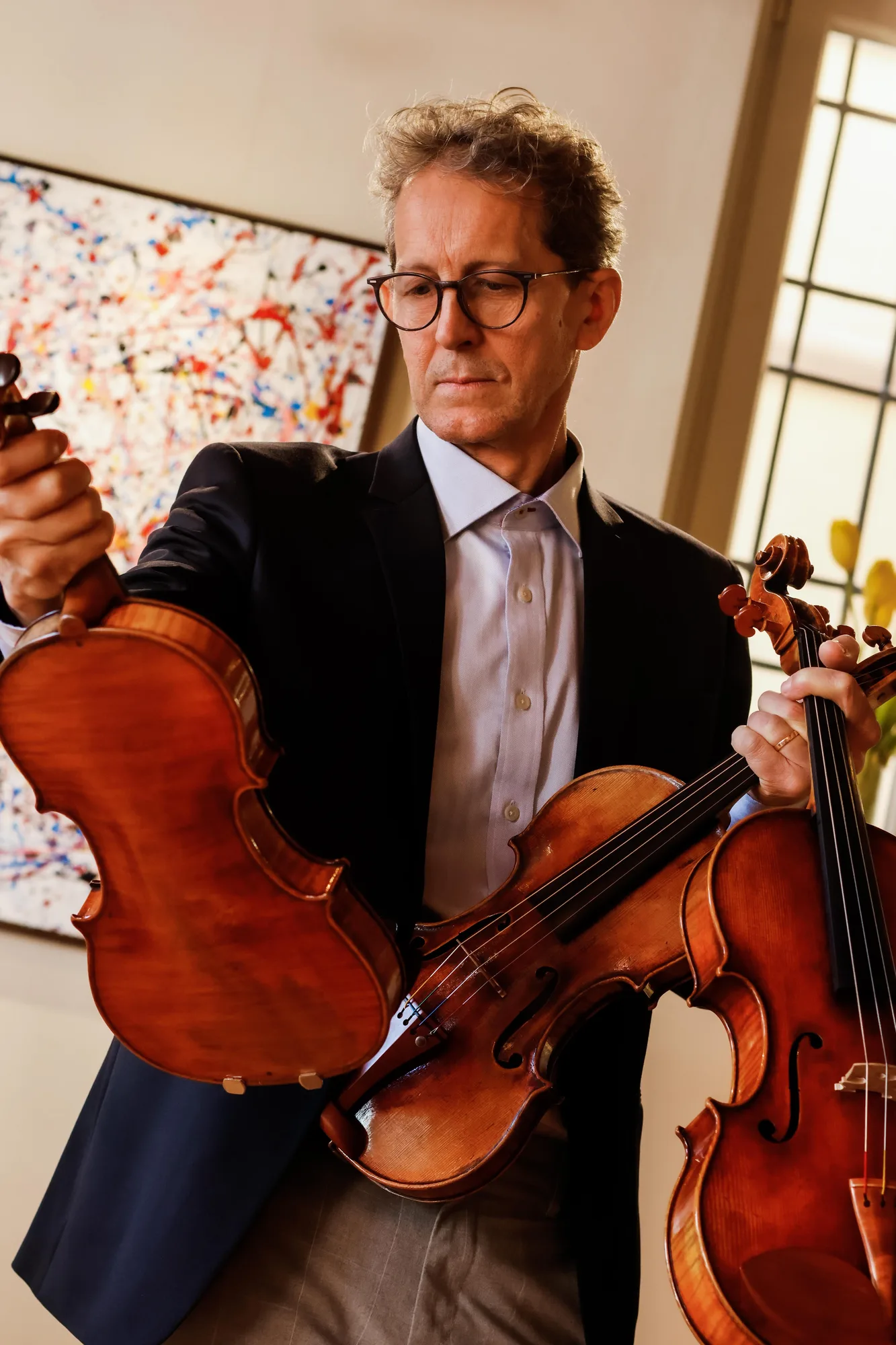
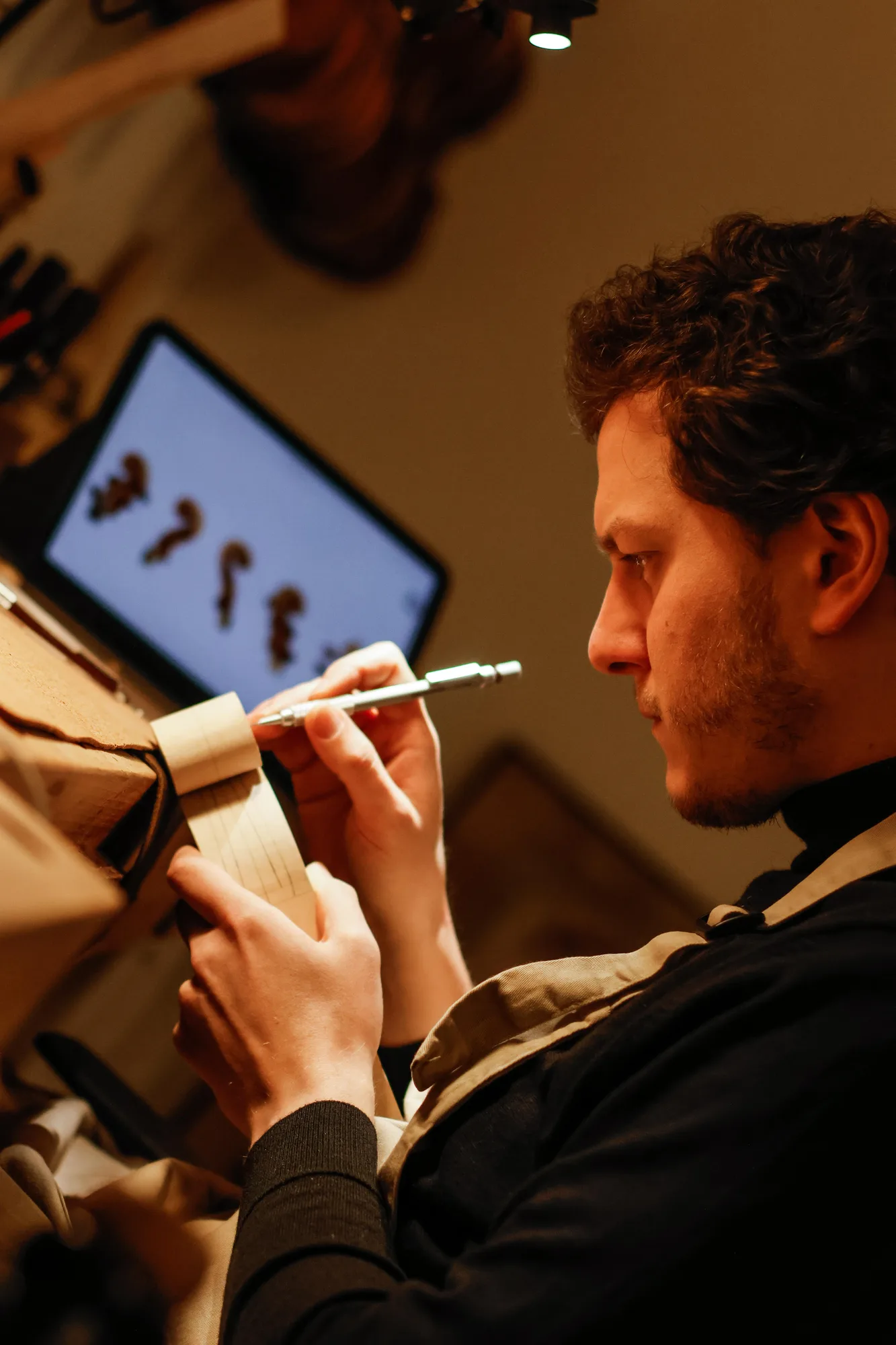
Luiz Amorim came to violin making after a decade as a professional artist and a degree in fine arts. For him lutherie is a continuation of artistic practice: the same training that teaches a painter to observe a portrait or a still life is what allows a maker to study an eighteenth-century instrument and reproduce its essence honestly.
That study is also where his expertise comes from. Reproducing an instrument means measuring and accounting for every choice its maker made the arching, the thicknesses, the varnish, the marks of the tools. Over decades, work of that kind builds an eye that identifies a maker's hand and understands its detail. It is why the same person who creates the atelier's new instruments also signs its Certificates of Authenticity.
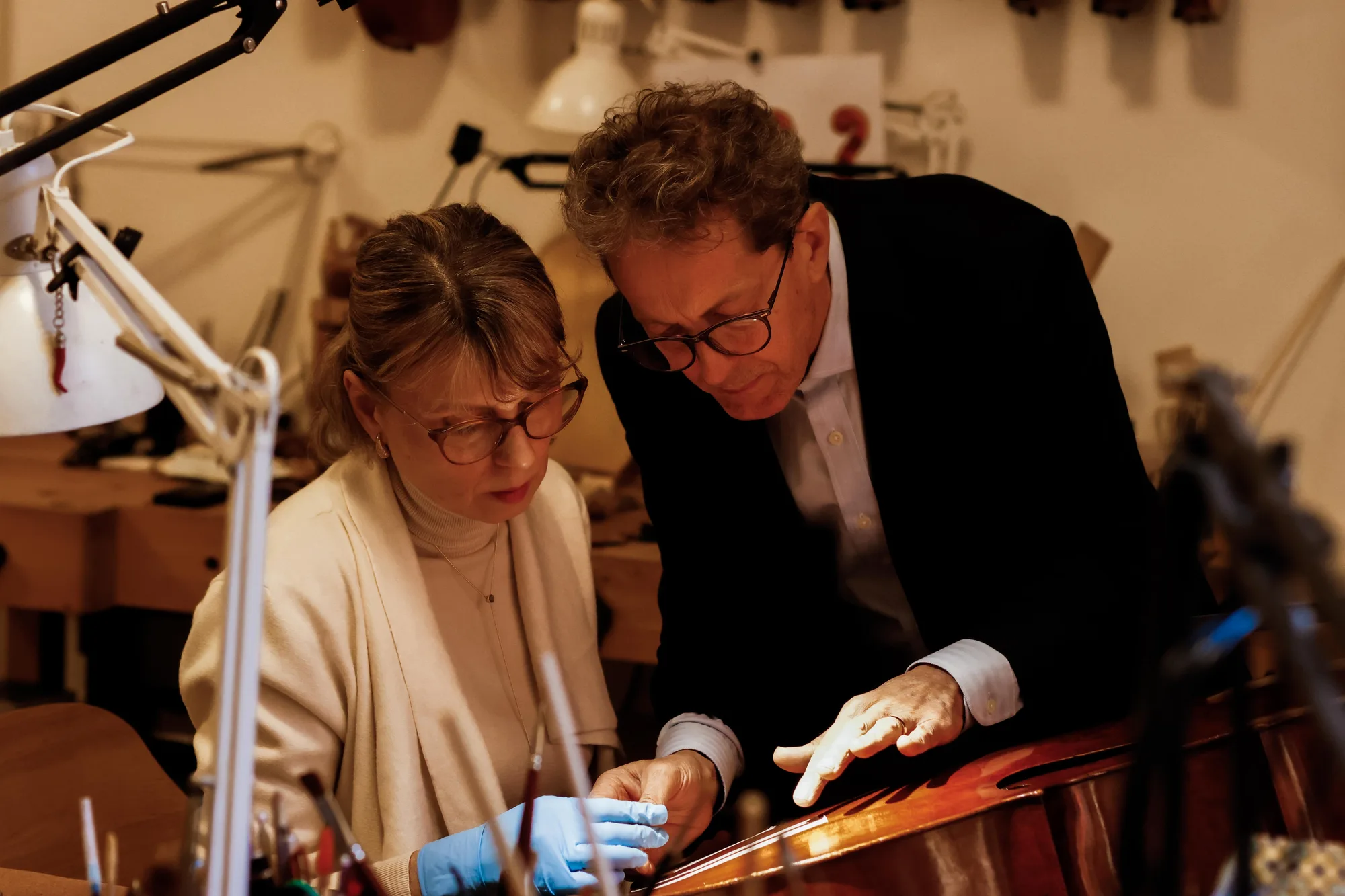
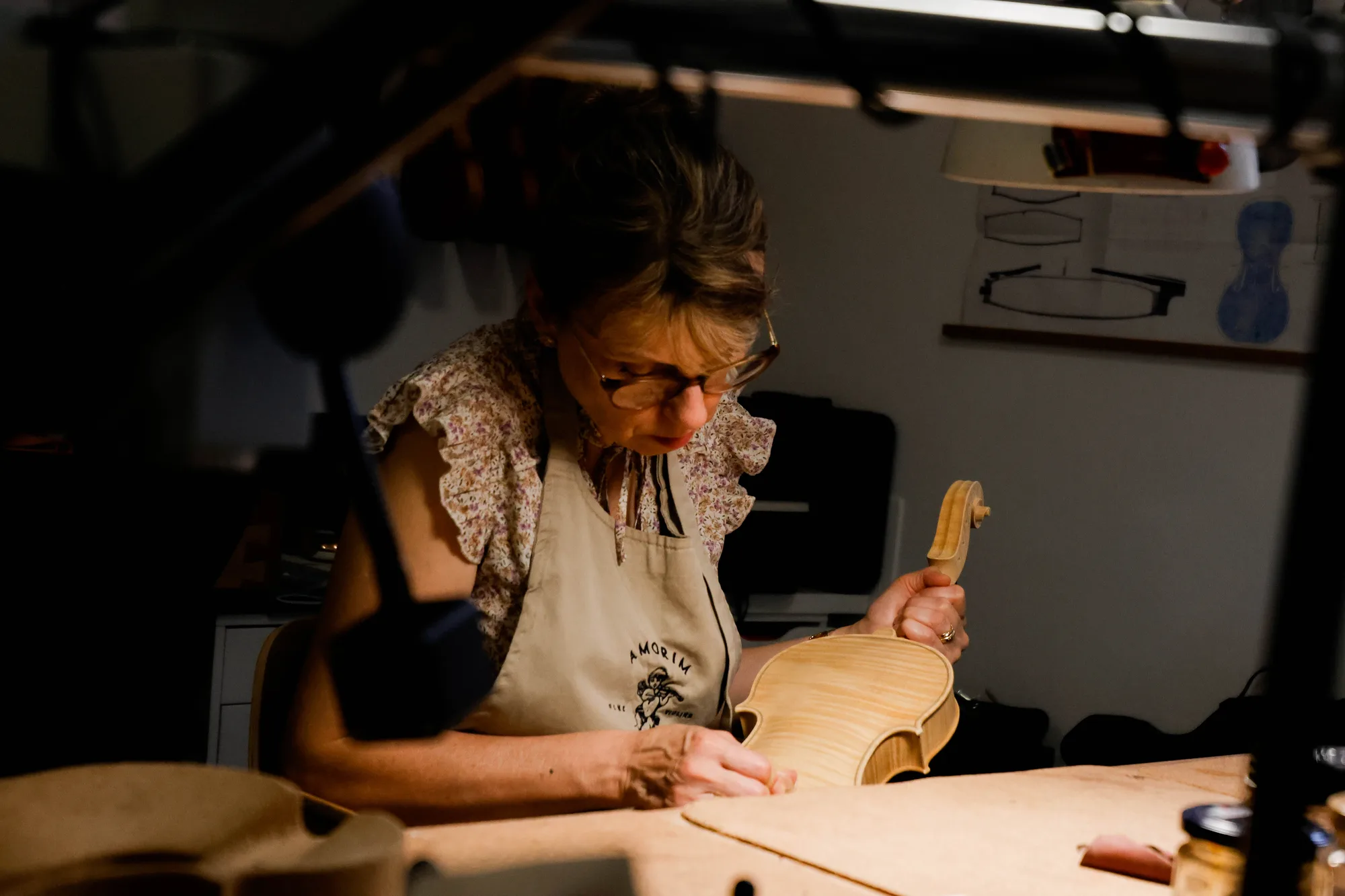
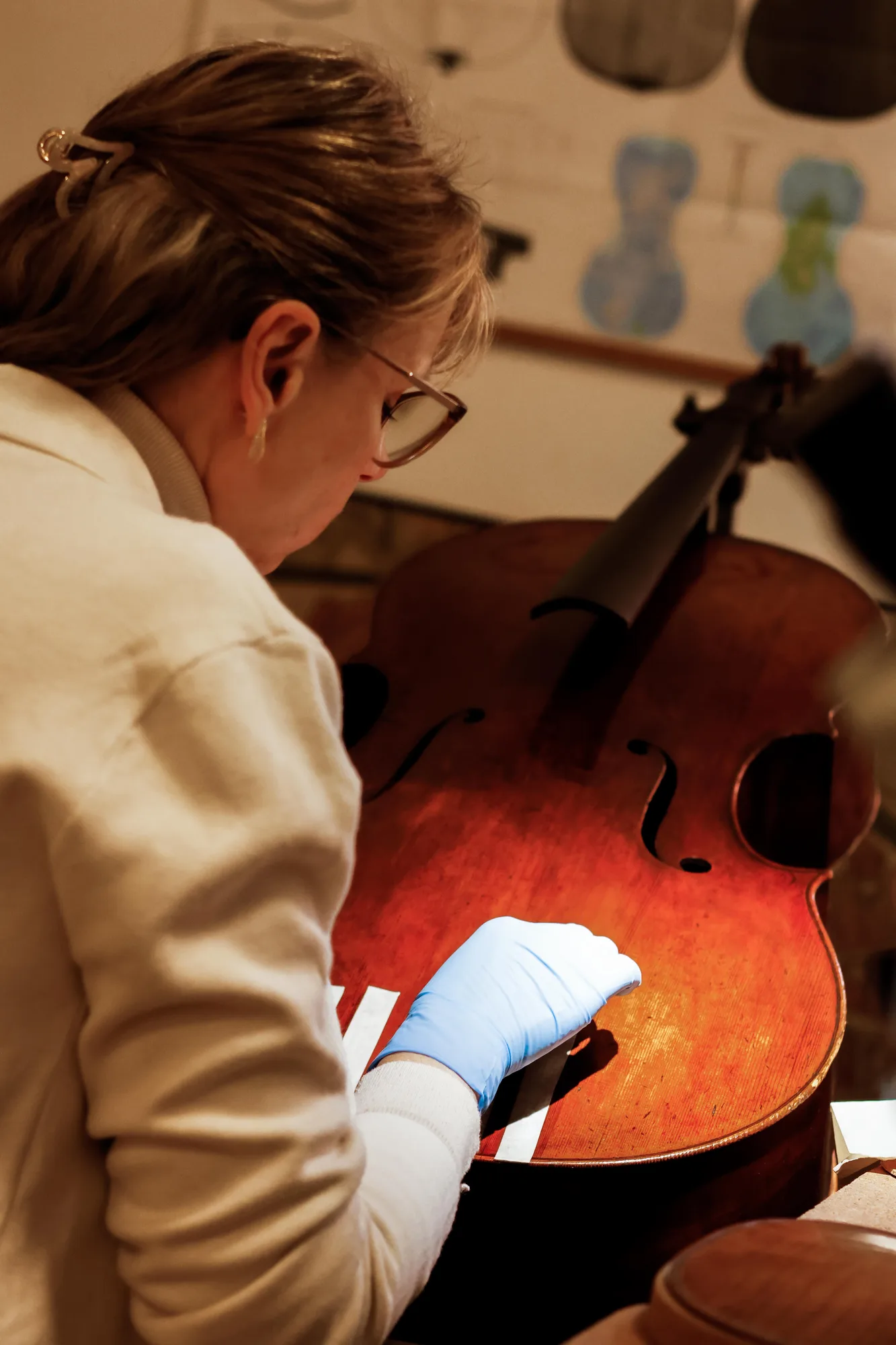
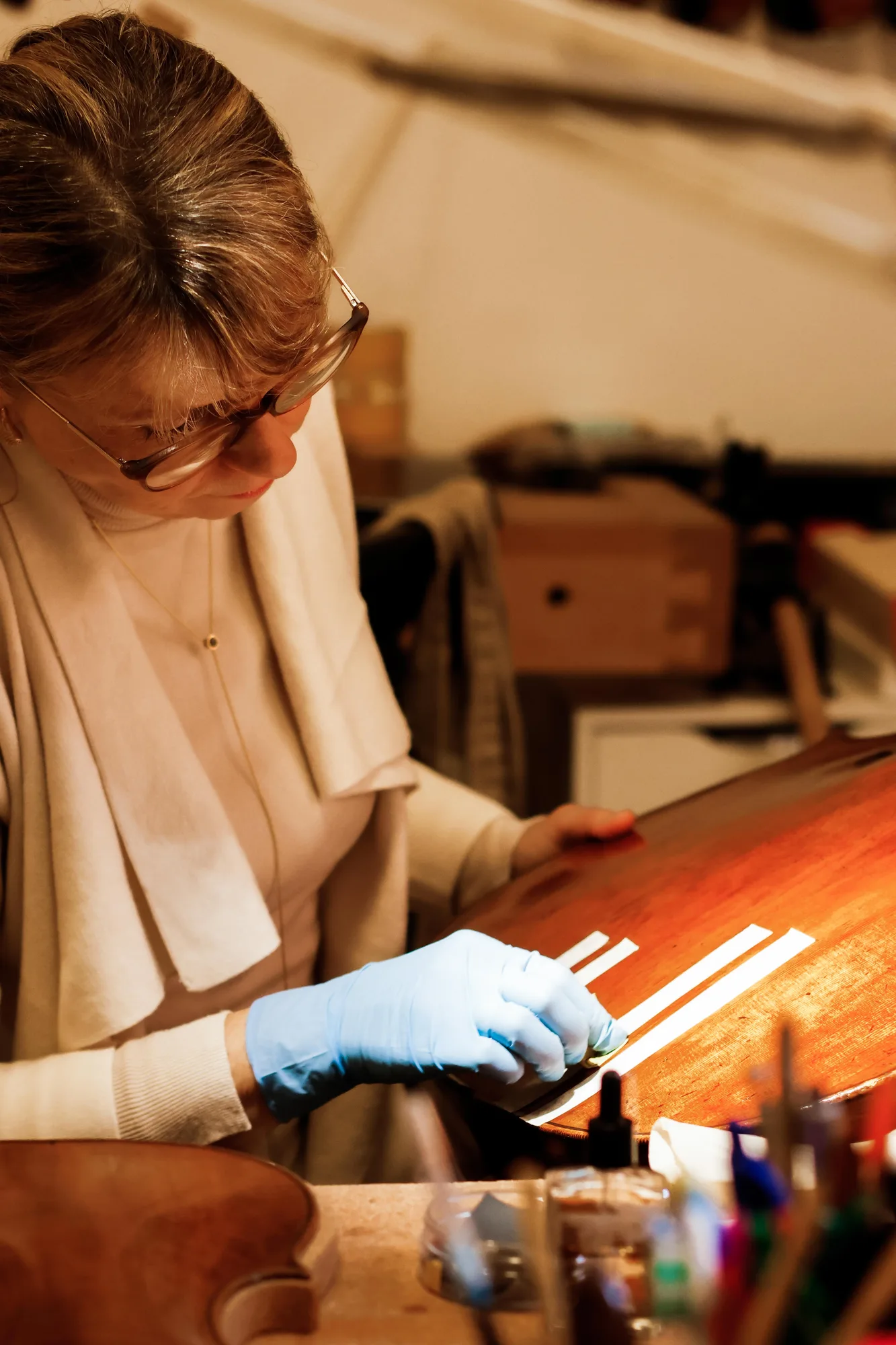
Amorim Fine Violins has four partners, and all four are inside the work. Betina Schreiner, who co-founded the atelier with Luiz, leads restoration varnish, retouching, historic surfaces, where knowing what is original decides every choice made. Gaian built his first violin at fifteen and runs the workshop, setting up new and antique instruments side by side, which is the fastest way anyone learns what construction three centuries apart actually does to sound. Luan, an industrial engineer who wrote his university thesis on violin making, carries the same technical grounding into the market, where instruments are bought, sold and valued every week. Every instrument is seen by all four and each of them is looking after something different.
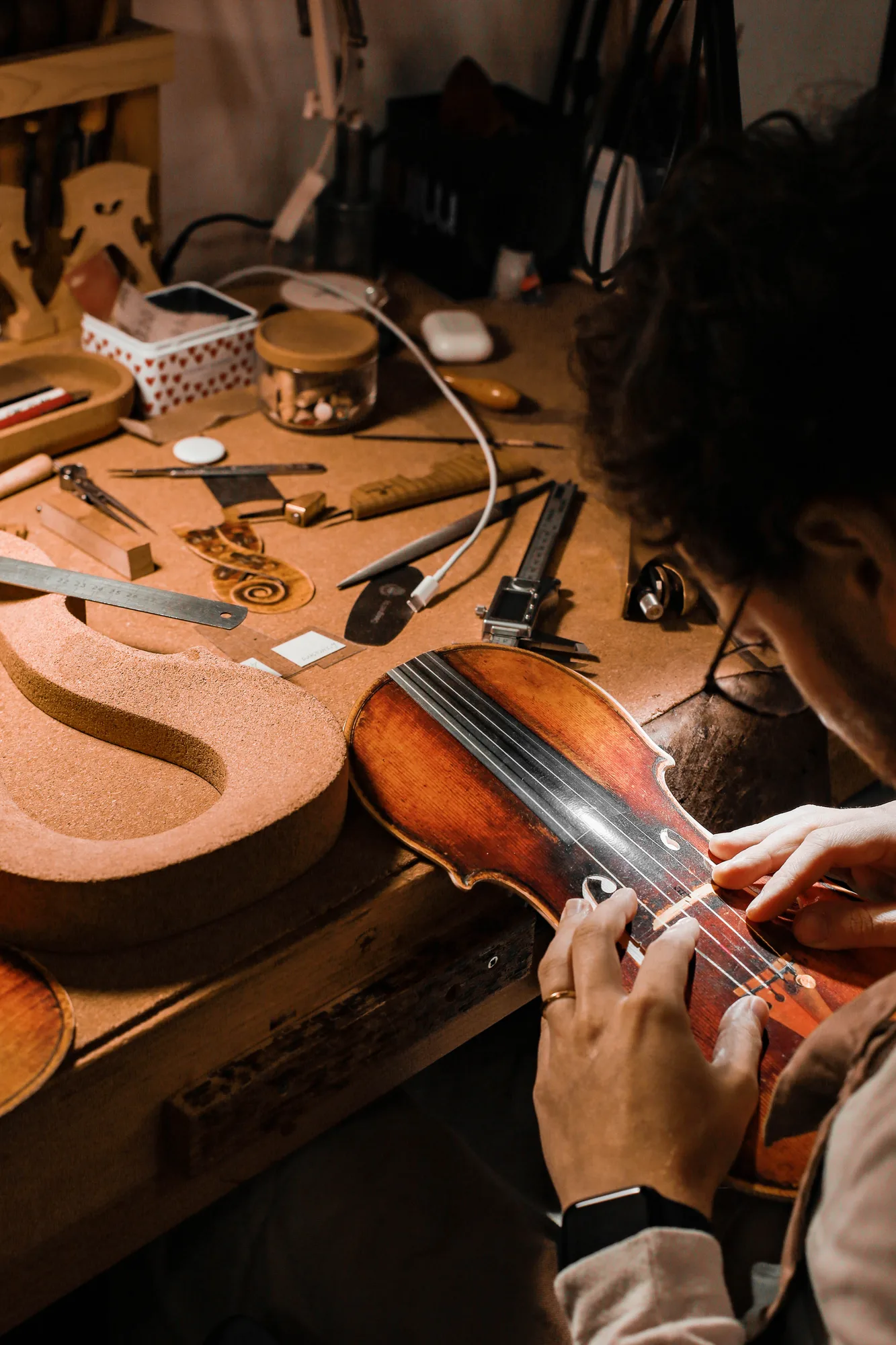
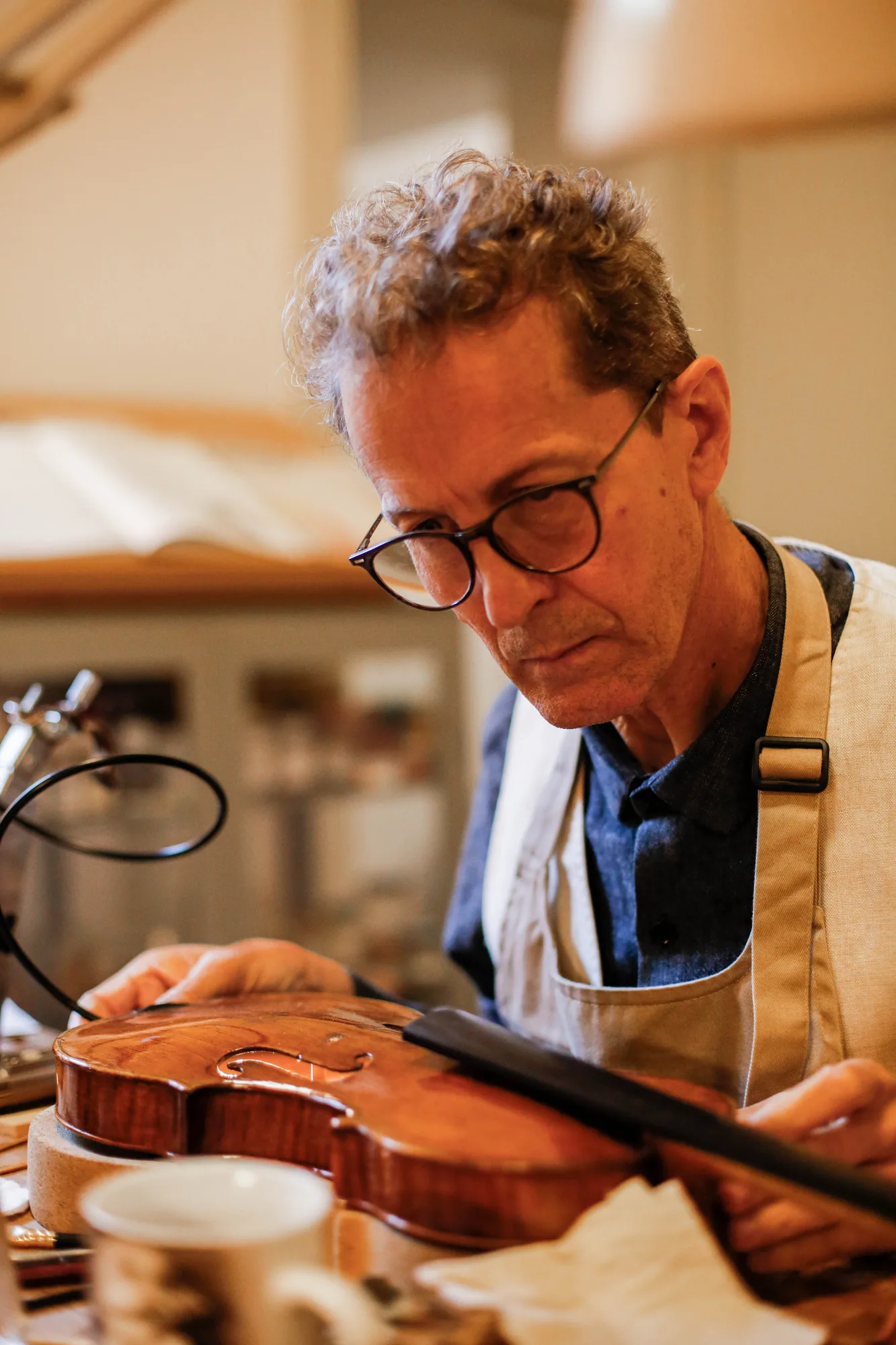
At the heart of the atelier is the daily making of violins, violas, and cellos by Luiz Amorim, entirely by hand and in the Cremonese tradition. Alongside this work, each instrument is carefully examined, restored, adjusted, documented, and prepared for appraisal, acquisition, or consignment. The atelier also welcomes musicians, collectors, and institutions for trials, consultations, and direct guidance from our specialists.
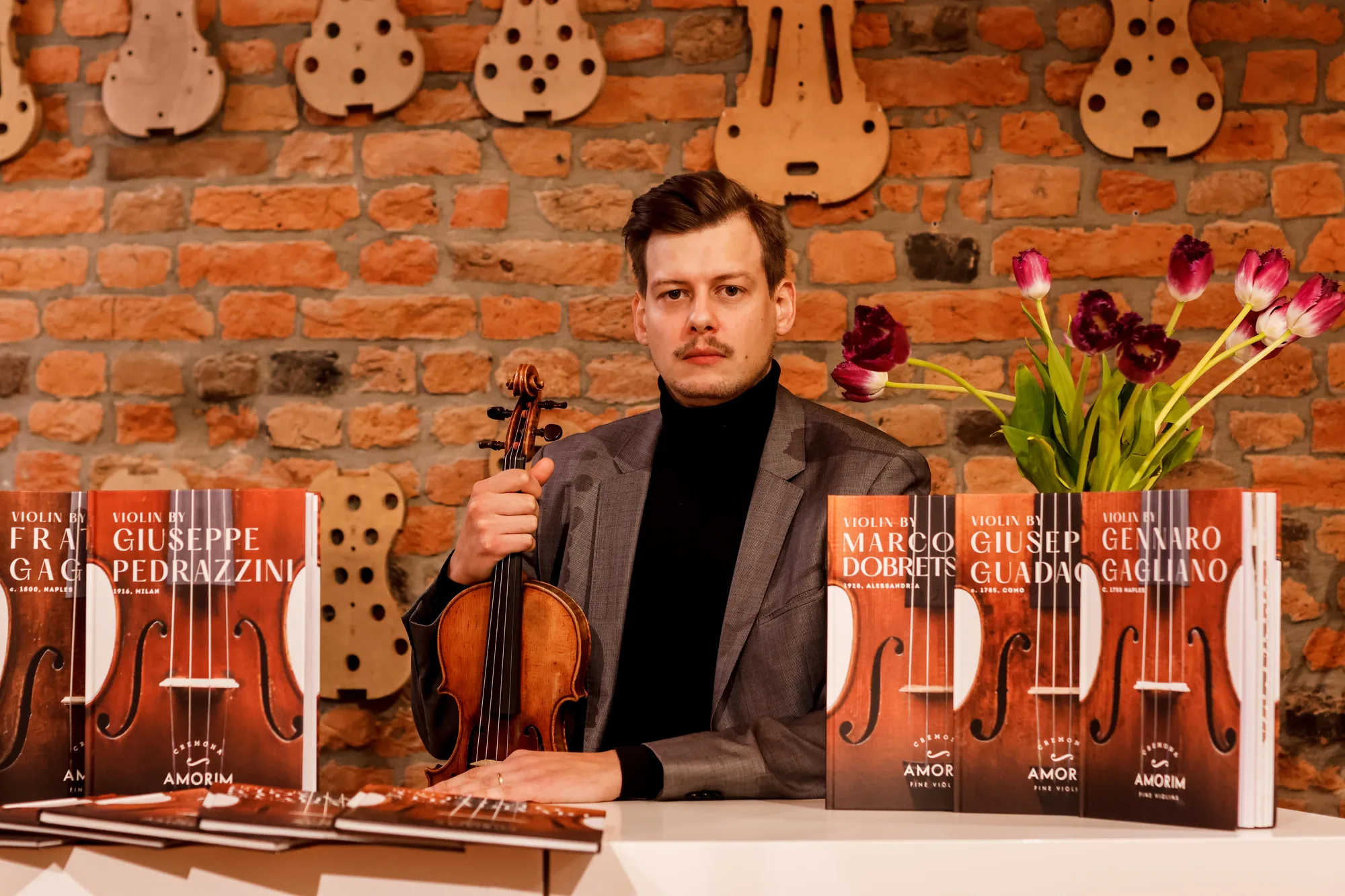
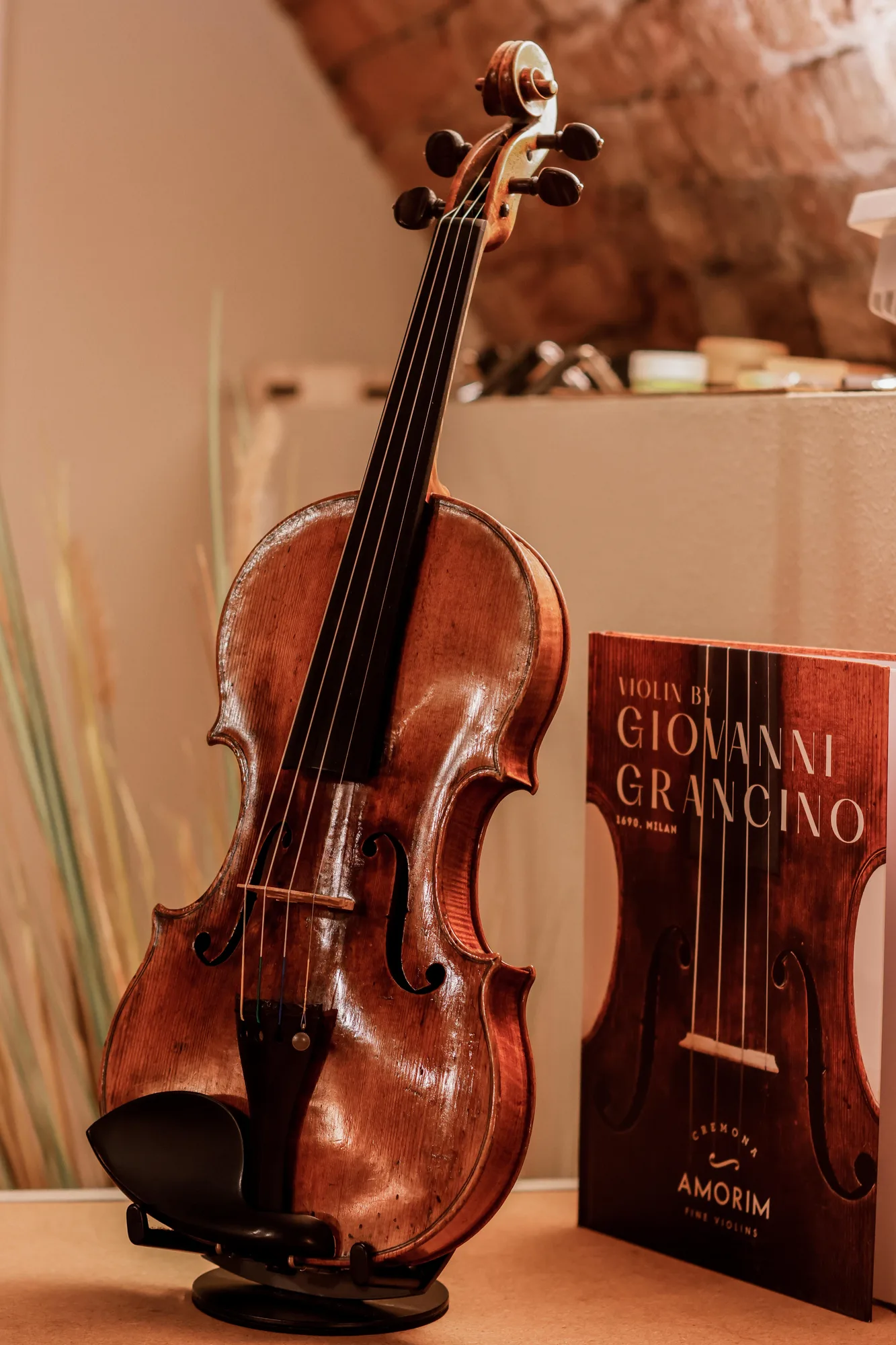
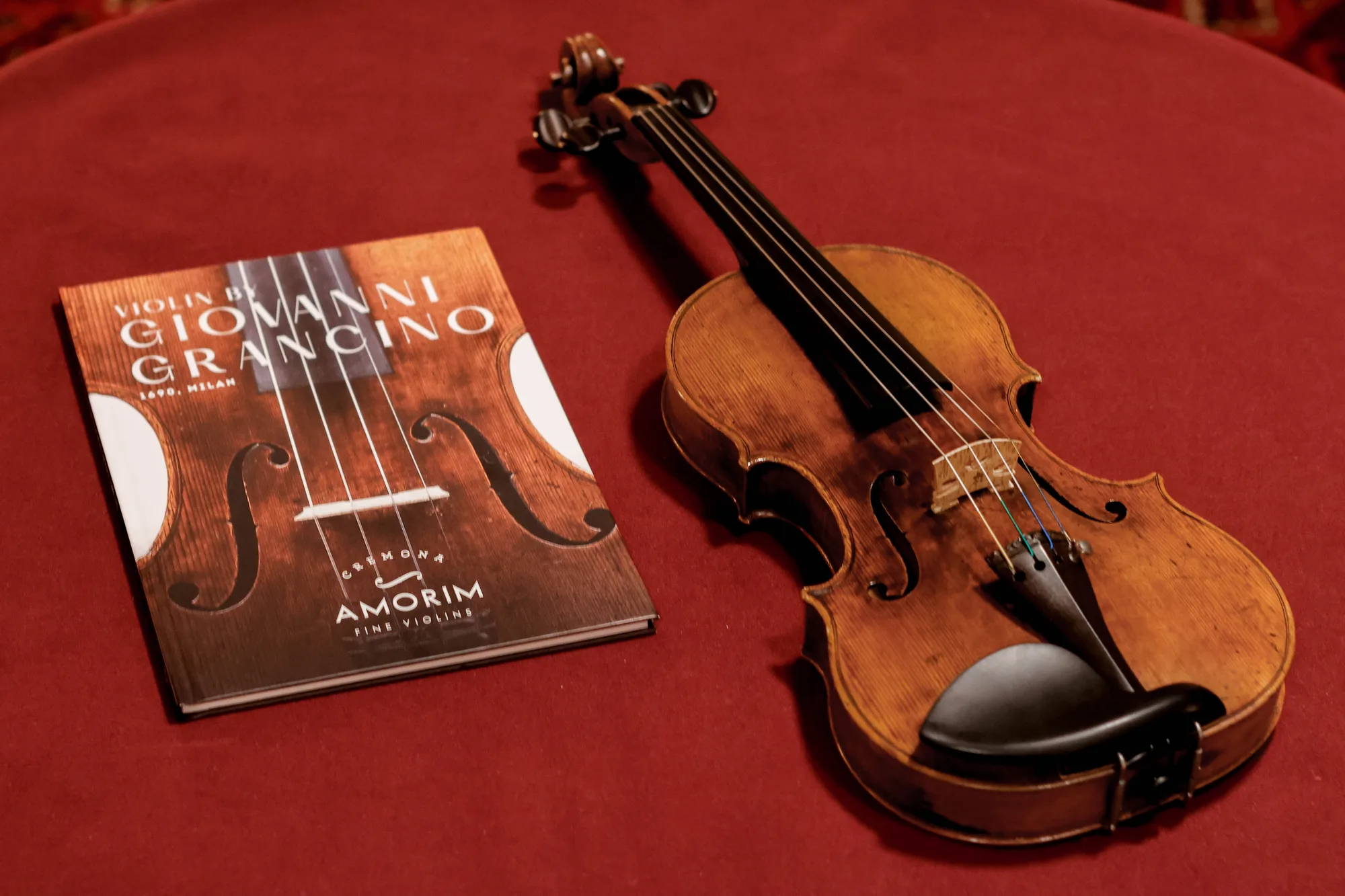
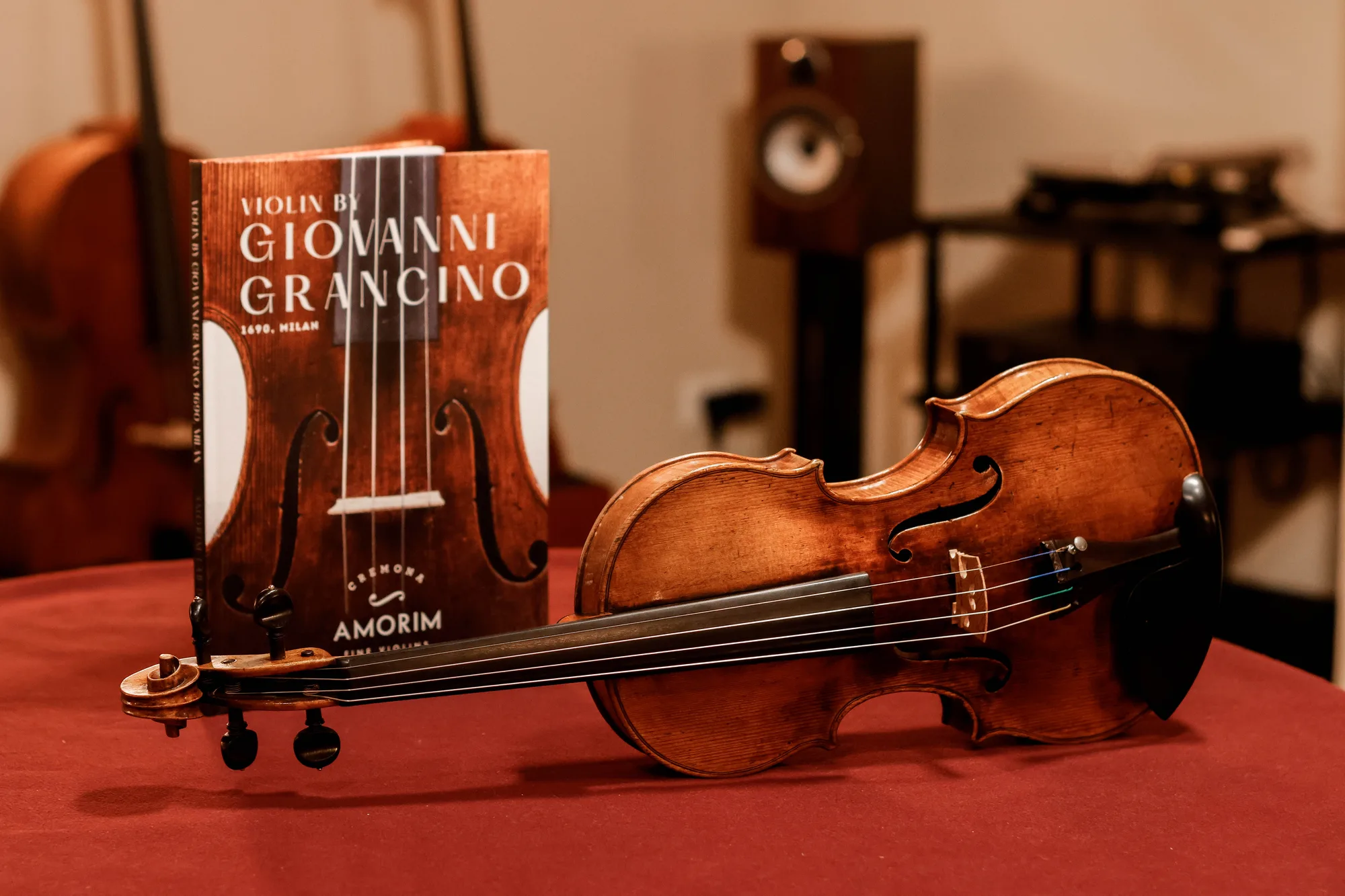
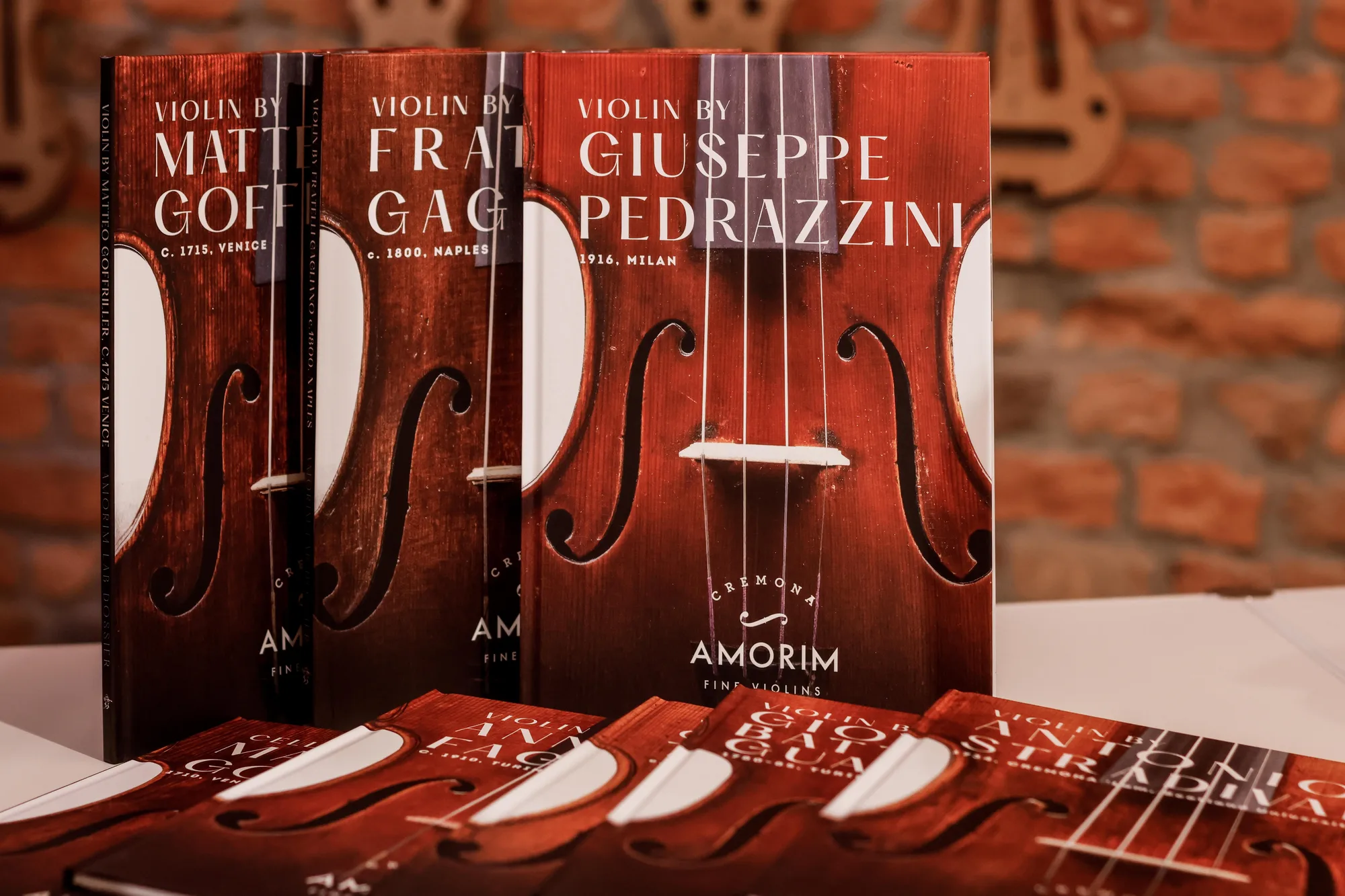
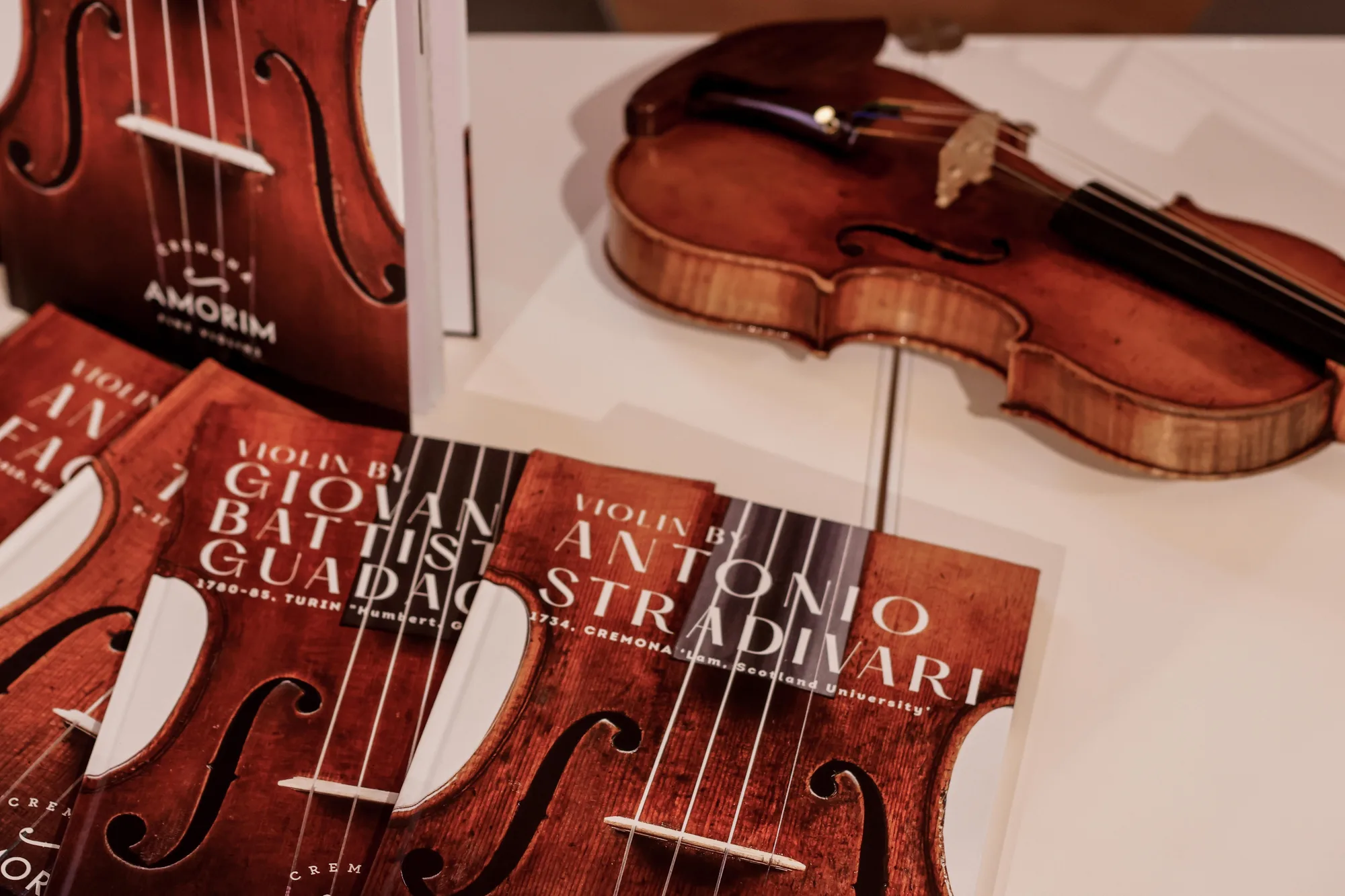
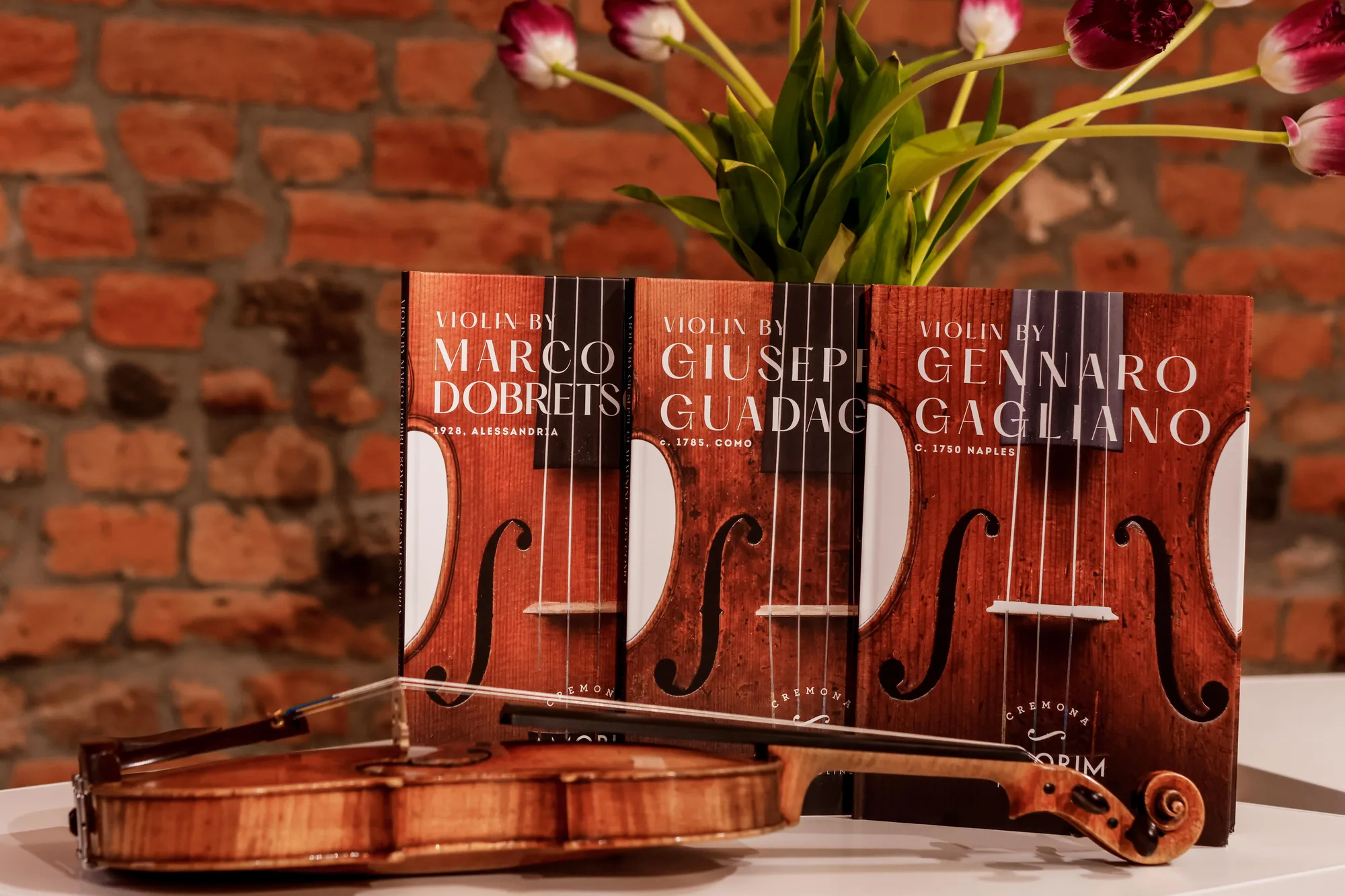
Every antique instrument we sell comes with its certificate and with its own dossier, printed and digital. It is the whole case, set out so that anyone examining the instrument in ten or fifty years can follow the reasoning: the maker's history, a full description of the instrument, its provenance, the Amorim Lab analysis with its imaging plates, and a condition report.
Whether you are considering an acquisition, valuation or sale, speak with Luiz Amorim for informed and discreet guidance.